
Fitness
Tennis Fitness: Off-Court Training That Transfers
Off-court tennis fitness that actually transfers: rotational core work, single-leg strength, shoulder prehab and a realistic weekly training plan.

Jump to a section
Want to improve your game?
Private and group coaching with Claire Carter in Redwood Shores.
Book a lessonMore tennis guides
Technique, gear, fitness and match play, written from the coach’s chair.
Browse all guidesMost tennis players who start going to the gym train the wrong things. For what the sport does for your health more broadly, see the health benefits of tennis. They build general strength in straight lines, in both legs at once, standing still. Tennis is none of those things.
The sport is played one leg at a time, in short explosive bursts, changing direction constantly, with power generated by rotating the body. Players over fifty have some additional considerations, set out in playing tennis after 50. Training that matches those demands transfers to the court. Training that does not, mostly makes you tired.
01What tennis actually demands
| Demand | What it looks like in a match | What trains it |
|---|---|---|
| Rotational power | Every forehand, backhand and serve | Medicine ball throws, cable rotations, anti-rotation holds |
| Single-leg strength | Pushing off wide, loading on one leg | Split squats, step-ups, single-leg deadlifts |
| Deceleration | Stopping to change direction | Lateral bounds with a held landing |
| Repeat sprint ability | Long rallies and three-set matches | Short interval work |
| Shoulder durability | Thousands of serves a season | Rotator cuff and scapular exercises with a band |
| Mobility | Reaching wide, getting low, rotating fully | Hips, thoracic spine, ankles |
02Start with the core, but train it properly
Every stroke begins with rotation through the hips and torso, so weakness there limits both power and consistency. It also matters for staying healthy: low back problems are among the most common injuries across youth, collegiate and adult tennis, and appropriate core development helps reduce that risk.
The useful exercises are not endless sit-ups. They fall into three groups: anti-extension, anti-rotation and rotational power.
| Exercise | Type | Sets and reps | Why it matters |
|---|---|---|---|
| Plank | Anti-extension | 3 x 30 to 45 sec | Stops the low back arching on serves |
| Side plank | Lateral stability | 3 x 20 to 30 sec each | Holds posture on wide balls |
| Bird dog | Anti-rotation | 3 x 8 each side | Teaches bracing while limbs move |
| Hip bridge | Posterior chain | 3 x 12 | Glute strength for the serve leg drive |
| Russian twist | Rotation | 3 x 10 each side | Controlled rotation under load |
| Medicine ball rotational throw | Rotational power | 4 x 6 each side | The closest gym exercise to a forehand |
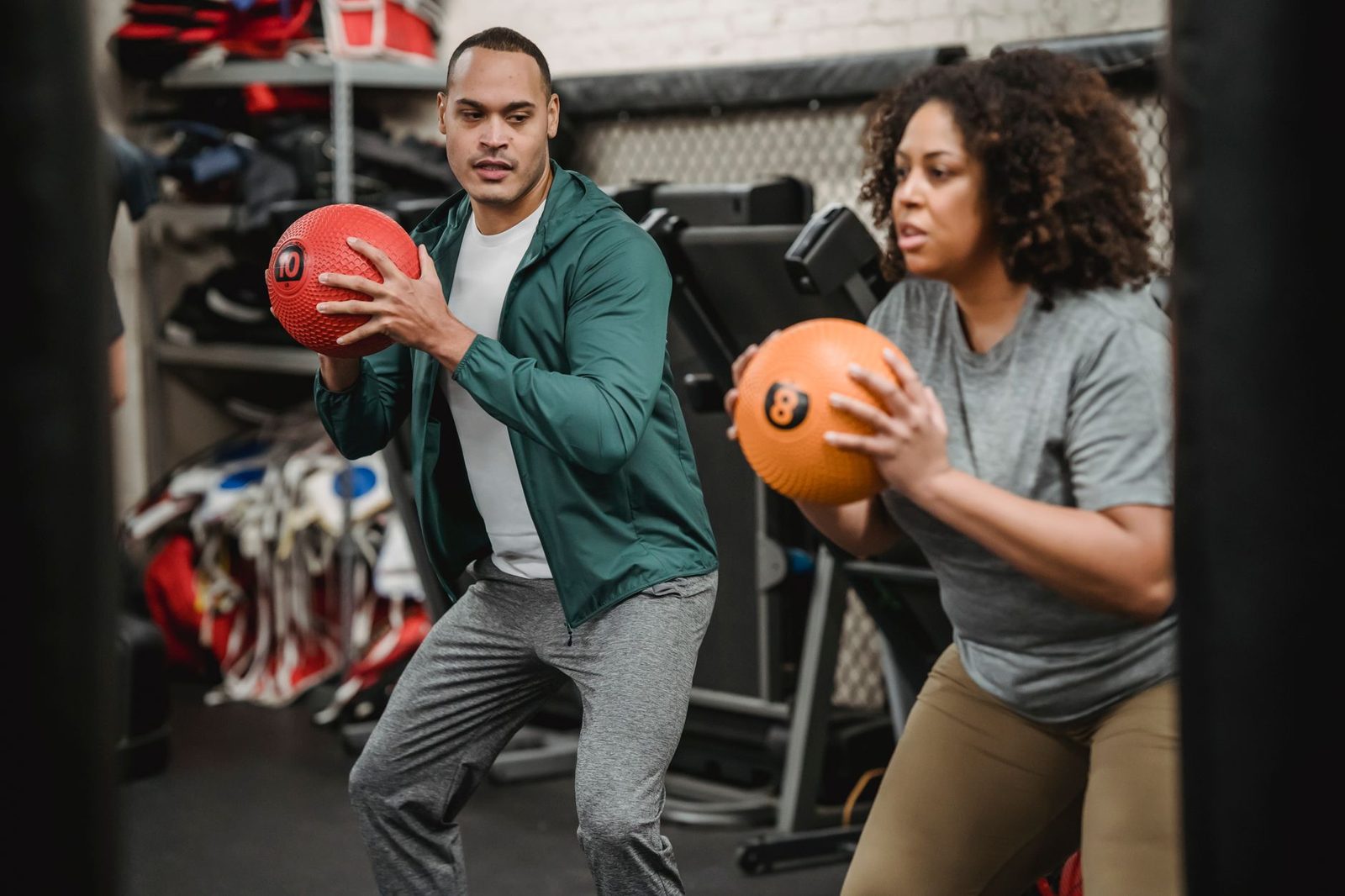
The medicine ball throw is the one to prioritise if you only do one. It mirrors the twisting action of a groundstroke and trains you to produce force quickly, which is the quality that actually shows up on court.
03Single-leg strength beats two-leg strength
Watch any rally in slow motion and you will almost never see a player loading both legs evenly. They push off one leg, land on one leg, and recover off the other. Yet most gym programmes are built around squats and deadlifts on two feet.
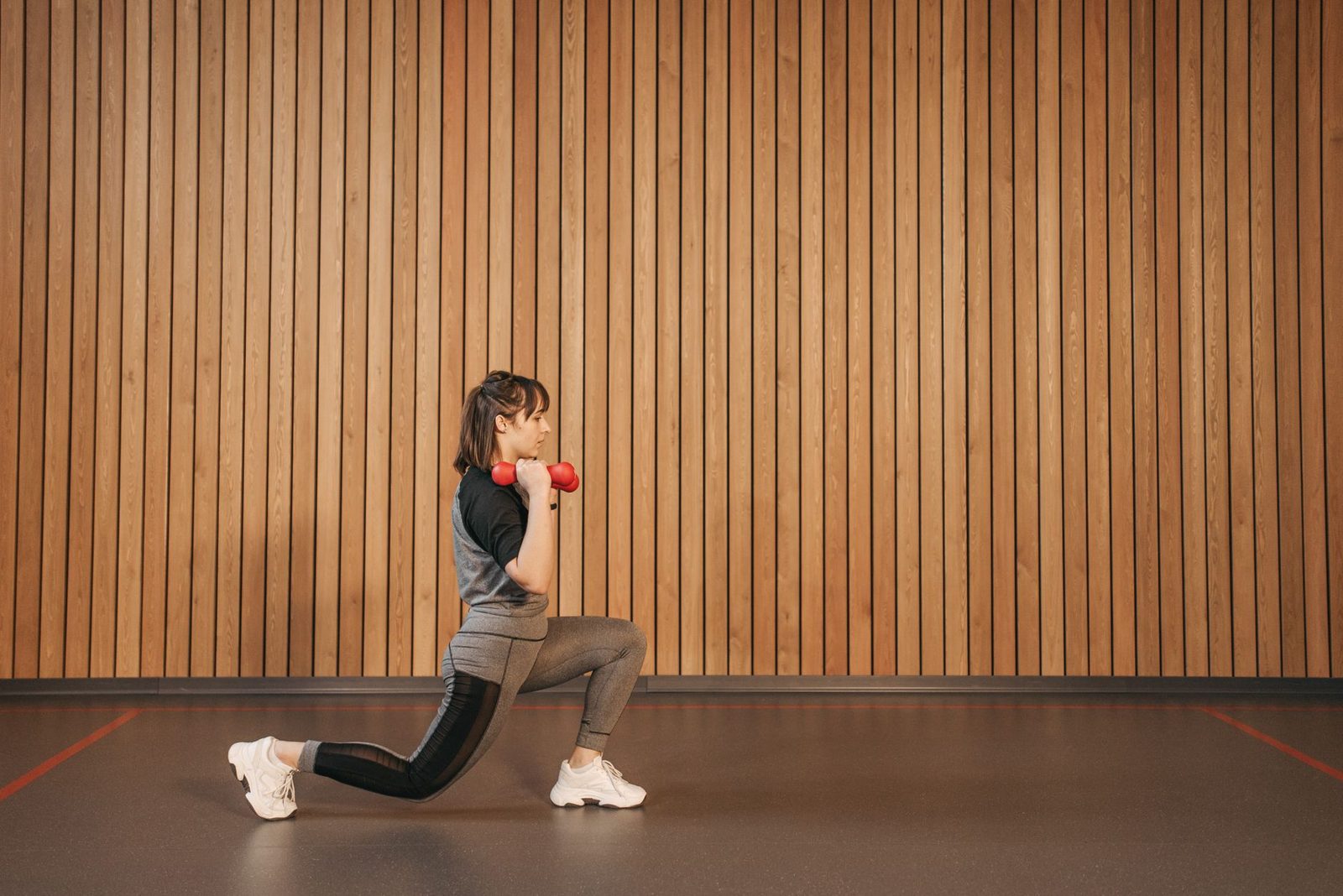
- Bulgarian split squat: 3 x 8 each leg. Brutal and unmatched for the loading position you use on wide balls.
- Step-up: 3 x 10 each leg. Trains the drive-up pattern in the serve.
- Single-leg Romanian deadlift: 3 x 8 each leg. Balance plus hamstring strength, which protects the knee.
- Lateral bound with a held landing: 4 x 6 each side. The hold is the point, because deceleration is what lets you change direction.
04Protect the shoulder before it hurts
Serving is a repetitive overhead action performed thousands of times a season. The shoulder joint is inherently mobile and therefore inherently vulnerable, and the small stabilising muscles rarely get trained by anything else.
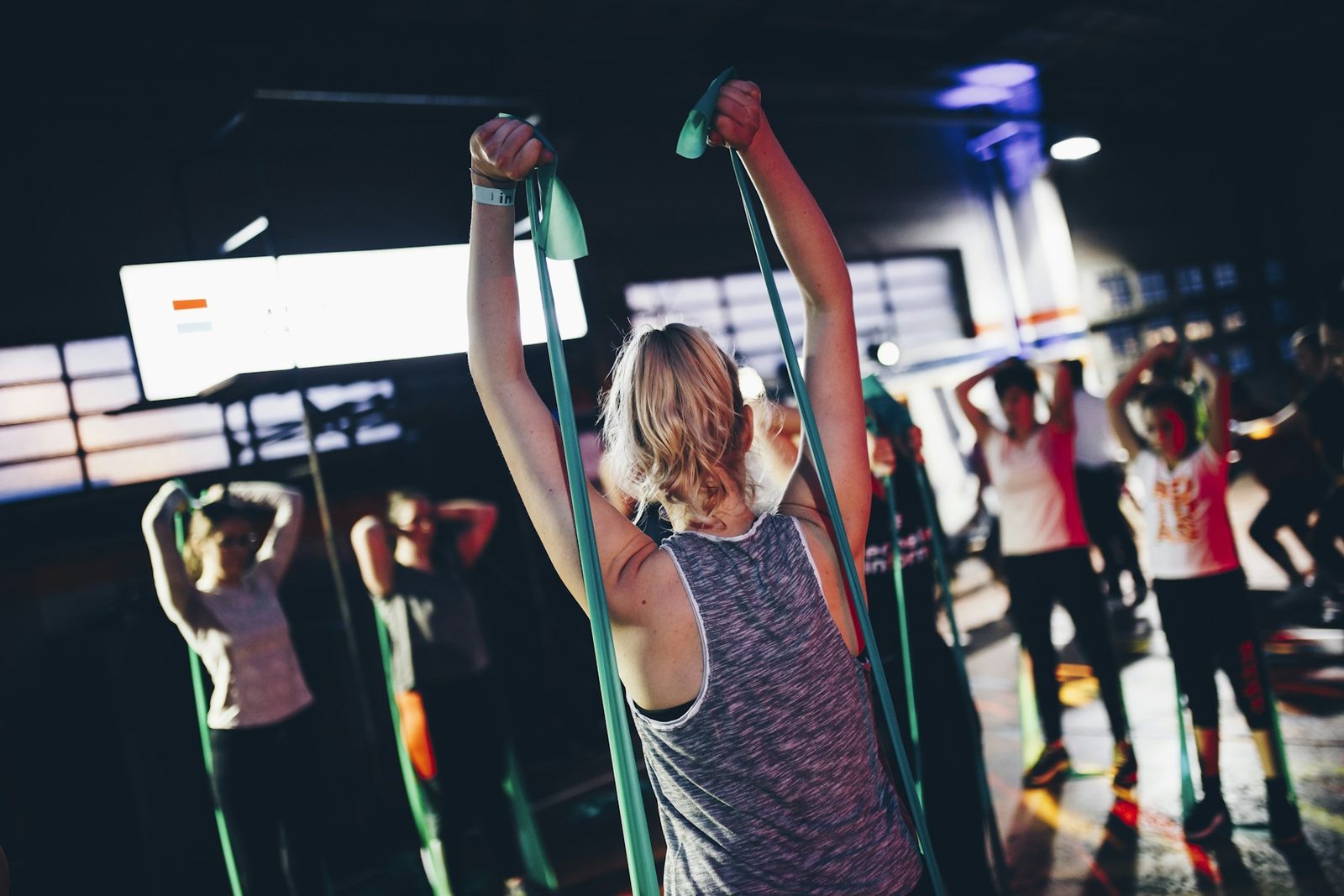
- Band external rotation, 3 x 15 each arm, elbow tucked to your side.
- Band pull-apart, 3 x 15, for the muscles between the shoulder blades.
- Wall slides, 3 x 10, for shoulder blade control overhead.
- Prone Y raise, 3 x 12, for the lower trapezius.
Ten minutes, twice a week, with a single resistance band. The same principle applies further down the arm: tennis elbow prevention and recovery covers forearm loading and why it matters. It is the least interesting thing in this article and probably the highest-value.
05A realistic weekly plan
| Day | Focus | Time |
|---|---|---|
| Monday | Strength: single-leg work plus core circuit | 45 min |
| Tuesday | On court | – |
| Wednesday | Rotational power, shoulder prehab, mobility | 35 min |
| Thursday | On court | – |
| Friday | Light intervals plus mobility | 25 min |
| Saturday | Match | – |
| Sunday | Rest or easy movement | – |
Structuring this across a whole year rather than a single week is covered in this guide to planning your tennis year. Two rules make this work. Do not schedule heavy core or leg sessions the day before a match, and do not do them straight after intense on-court practice. Fatigue degrades technique, and degraded technique practised repeatedly is worse than no practice at all. The National Strength and Conditioning Association publishes tennis-specific guidance if you want the underlying reasoning.
06Warm up properly, and it counts as training
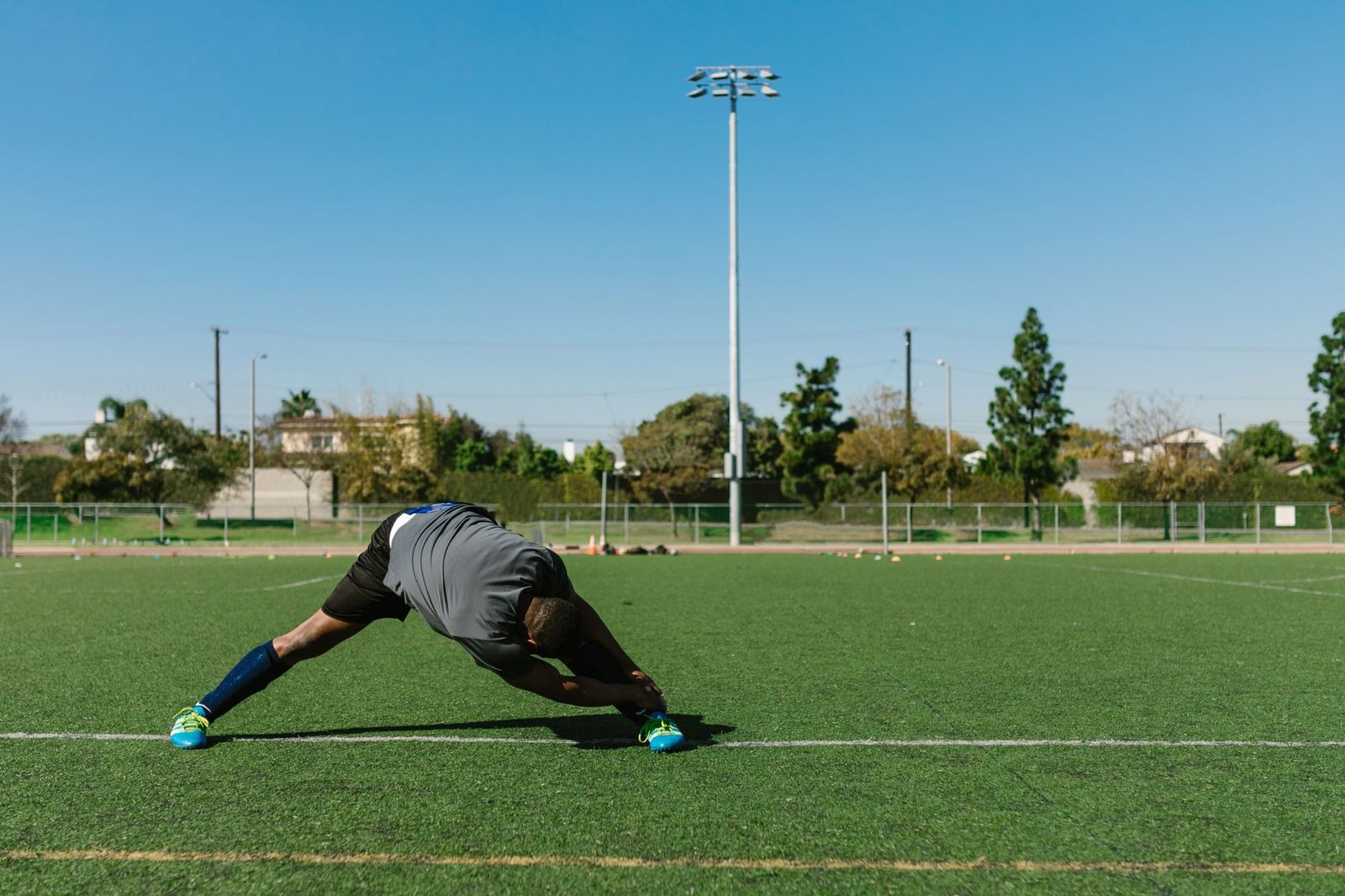
Most club players warm up by rallying gently for four minutes, which prepares almost nothing. A proper warm-up raises body temperature, takes the joints through the ranges the match will demand, and switches on the muscles you are about to rely on.
- Three minutes of easy movement: jogging, side shuffles, skipping.
- Dynamic mobility: leg swings, hip openers, thoracic rotations.
- Two minutes of band work for the shoulders before you serve.
- Progressive hitting: mini tennis first, then baseline, then serves.
Ten minutes, and it doubles as the mobility session most players never get round to doing separately. The pre-match version of this is set out in this tennis warm-up routine.
07What to skip
- Long slow distance running. Tennis is repeated short efforts, not steady state; the wider assessment is in this guide to cross-training for tennis.
- Heavy bench pressing. It adds mass without improving anything you use.
- Endless crunches. They train flexion, which tennis barely uses.
- Static stretching before playing. Save it for after; warm up with movement instead.
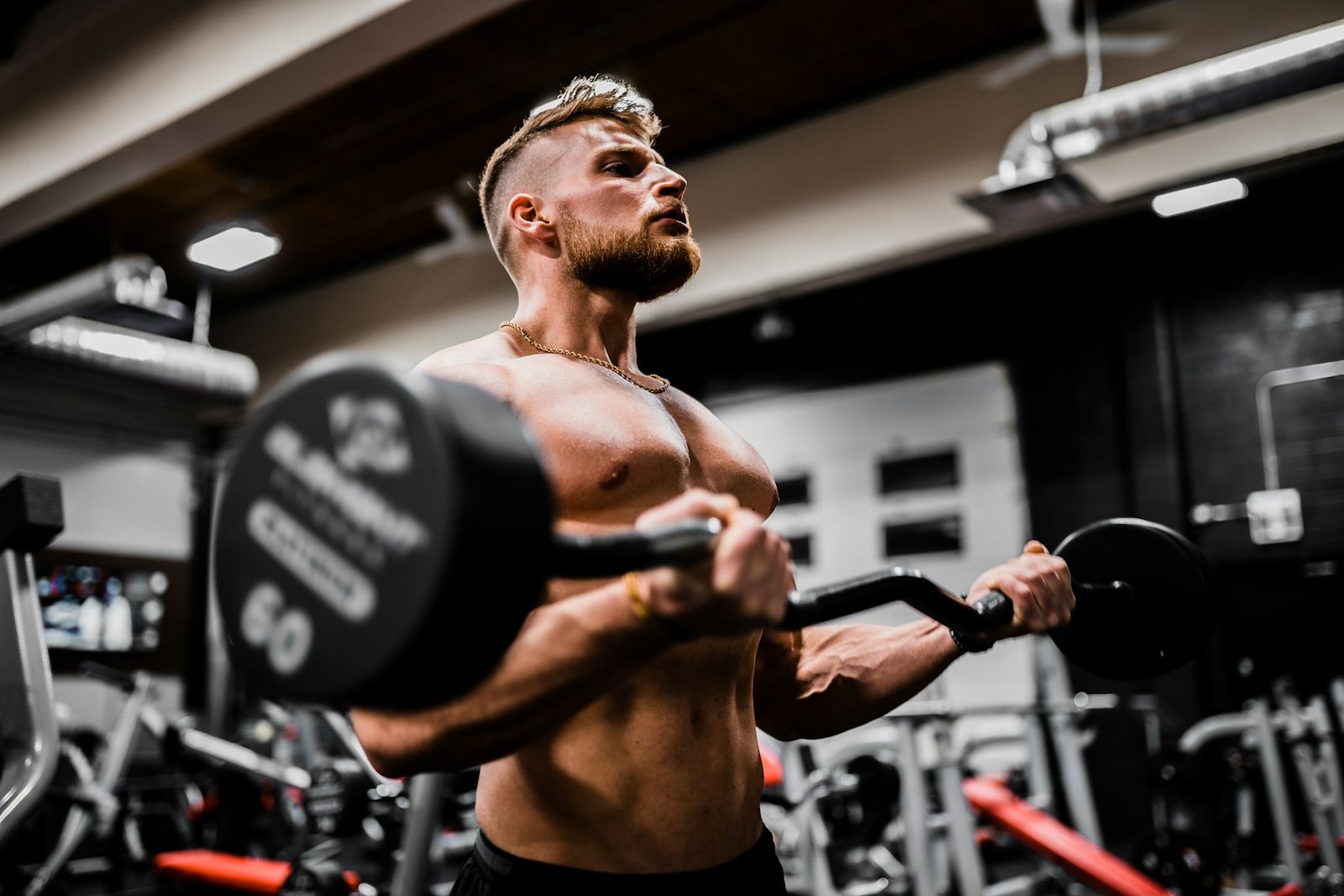
Fitness only helps if it makes you move better, and movement is a skill as much as a capacity. Pair this work with these tennis footwork drills so the strength you build has somewhere to go, and remember that a stronger leg drive is what unlocks the serve mechanics in this step-by-step tennis serve technique guide.
For juniors, general athleticism matters more than early specialisation, and it is part of what the junior tennis pathway in Northern California is built around. If you would like a programme built for your specific weaknesses rather than a generic template, a private lesson in Redwood Shores covers tennis-specific fitness alongside on-court coaching.
08Frequently asked questions
Rotational core work, single-leg strength and change-of-direction training. Tennis is played on one leg at a time, in short explosive bursts, with power generated through rotation. Training that mirrors those demands transfers; general bodybuilding largely does not.
Two to three sessions a week is enough for most club players. Avoid heavy core or leg work the day before a match or immediately after intense on-court practice, because fatigue degrades technique and raises injury risk.
No, provided the training is appropriate. Strength work built around single-leg patterns, rotation and controlled landings improves acceleration and deceleration. What slows players down is excess bulk from training with no relevance to the sport.
Low back problems are among the most common across youth, collegiate and adult players, and appropriate core development can reduce that risk. Shoulder and elbow issues are also common and respond well to rotator cuff and scapular work.
Not really. Bodyweight core work, single-leg exercises, a resistance band and a medicine ball cover most of what a club player needs. A gym helps for heavier strength work but it is not a barrier to getting started.

Claire Carter
Former WTA Tour Professional & Teaching Pro
Claire Carter is a former WTA Tour professional and a full-time teaching professional at Bay Club Redwood Shores, where she has coached juniors and adults for more than twelve years.
More about ClaireImage credits: Anastase Maragos (Unsplash), Danielle Cerullo (Unsplash), Geert Pieters (Unsplash), Julia Larson (Pexels), Pavel Danilyuk (Pexels), RDNE Stock project (Pexels). Photographs are illustrative.