
Fitness
Cross-Training for Tennis: What Helps and What Does Not
Running, cycling, swimming and yoga assessed for tennis players: what each actually transfers to the court, and what it fails to train.

Jump to a section
Want to improve your game?
Private and group coaching with Claire Carter in Redwood Shores.
Book a lessonMore tennis guides
Technique, gear, fitness and match play, written from the coach’s chair.
Browse all guidesTennis players who take up another form of exercise usually pick running, because it is convenient. It is also one of the less well-matched options for what tennis actually demands.
This is an honest assessment of the common cross-training choices: what each one genuinely contributes, what it fails to train, and how much of it is worth doing.
01What tennis demands, briefly
Any assessment of cross-training has to start here. Tennis is short repeated efforts with incomplete recovery, played laterally, on one leg at a time, with power generated through rotation.
That description immediately explains why steady-state forward running is an imperfect fit, and why interval work is a better one. The full picture of what the sport asks physically is in this off-court tennis fitness training.
02The options assessed
| Activity | Transfers well | Does not train | Verdict |
|---|---|---|---|
| Interval running | Repeat-sprint ability; recovery between points | Lateral movement; rotation | Best cardio match |
| Steady running | Aerobic base | Everything lateral and rotational | Useful in moderation |
| Cycling | Leg endurance; low impact | Upper body; lateral work; impact tolerance | Good on recovery days |
| Swimming | Aerobic capacity; shoulder mobility; zero impact | Ground reaction forces; footwork | Excellent when injured |
| Yoga | Mobility, balance, breathing | Strength; power | Useful supplement |
| Other racket sports | Hand-eye; reactions; footwork | Depends on the sport | Genuinely transferable |
03Running, honestly
Running has a real place. Aerobic fitness determines how quickly you recover between points and how you feel in a third set, and running builds that efficiently.
The limitation is directional. Runners move forward, repeatedly, in one plane. Tennis players move sideways, stop abruptly, rotate and change direction. Long slow distance running builds an engine while doing nothing for the qualities that actually let you reach a wide ball.
If you run, make some of it intervals: thirty seconds hard, thirty easy, repeated. That pattern is far closer to a tennis point than a steady five kilometres.

04Cycling
Cycling builds leg endurance with very little joint impact, which makes it a good choice on recovery days and for players managing knee problems, as discussed in this guide to tennis knee pain.
The trade-off is that it is entirely lower body, entirely forward, and involves no impact at all. That last point cuts both ways: low impact is why it is kind to joints, and also why it does not prepare your tissues for the pounding of a hard court.

05Swimming
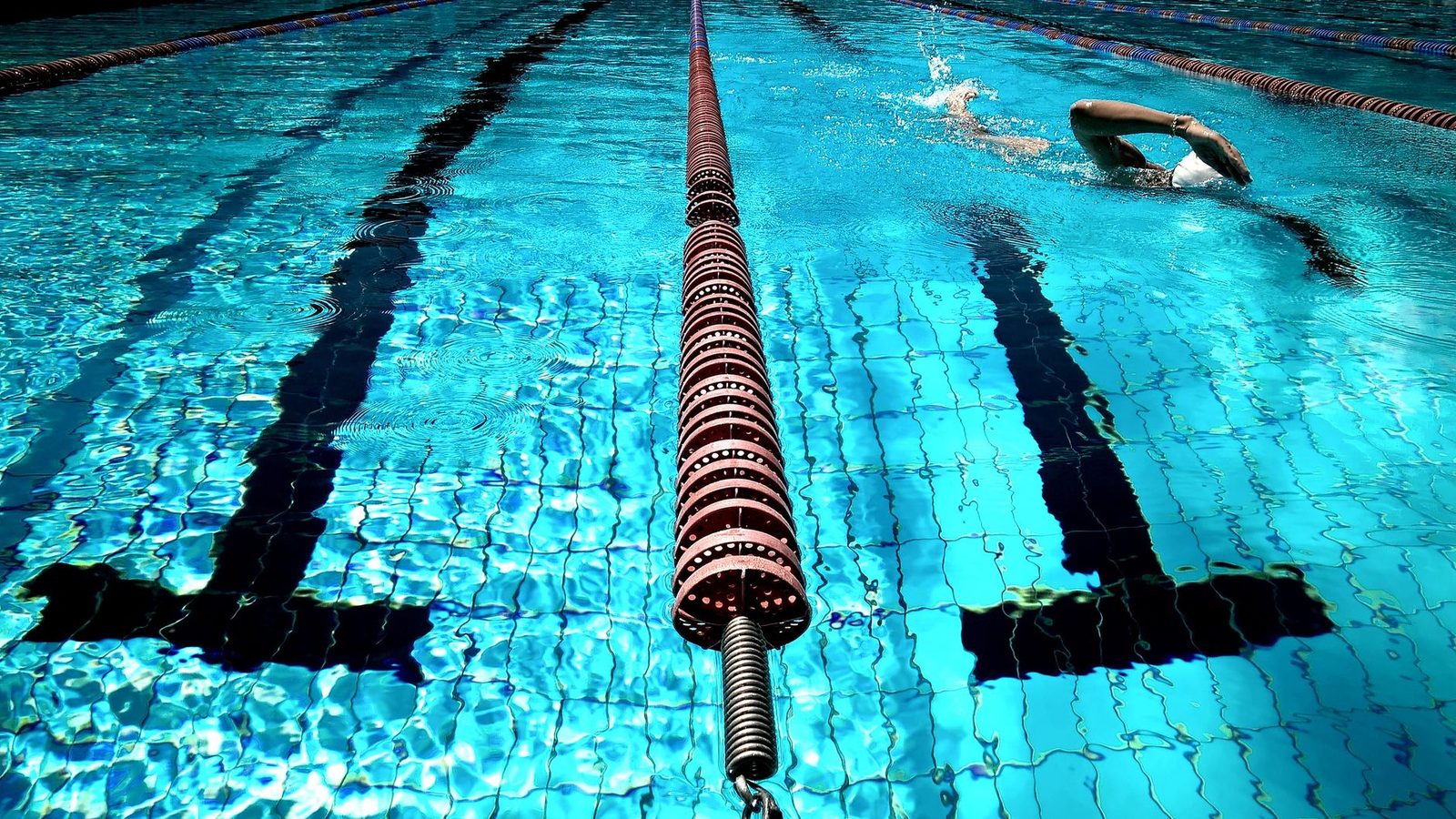
Swimming is the best option when something hurts. It maintains aerobic fitness with essentially no impact, and the shoulder range involved can be useful provided the shoulder is not the injured part.
For a healthy player it is a reasonable recovery-day activity rather than a performance driver, because it shares almost no movement pattern with tennis. If you are working around a lower-body injury, though, it is the most useful thing on this list.
06Yoga and mobility work
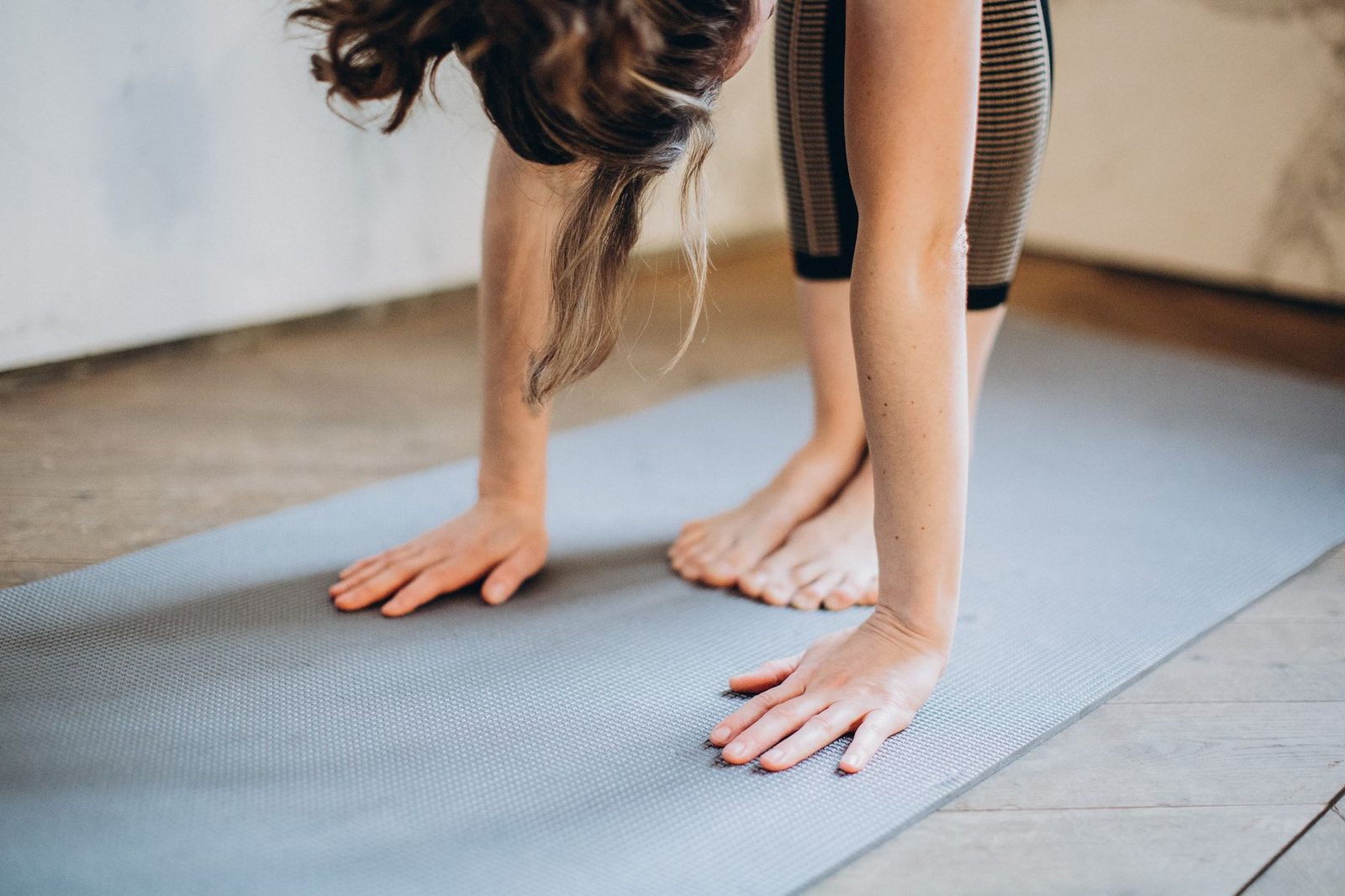
Most club players are tight in the hips and thoracic spine, and both restrictions directly limit tennis. Hip mobility affects how low you can get and how well you rotate; thoracic mobility affects the serve and the shoulder turn.
Yoga addresses both, and it trains balance as a side effect. What it does not do is build strength or power in any tennis-relevant way, so treat it as a supplement rather than a substitute for the strength work in this off-court tennis fitness training.
One practical note: save the longer holds for after playing or on rest days. Static stretching immediately before a match is not what you want.
07Other racket sports
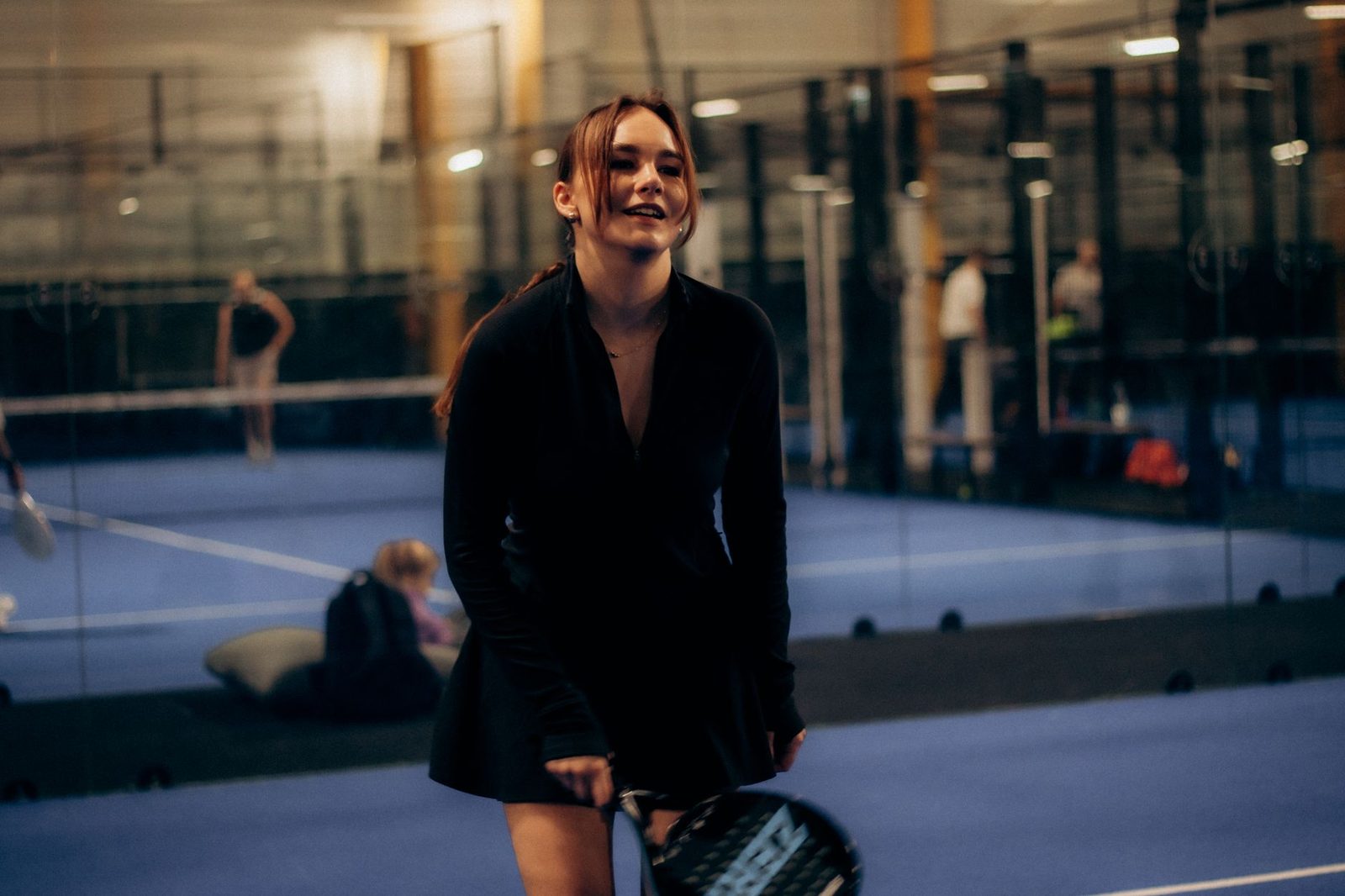
Squash, badminton, padel and pickleball all get suggested as tennis cross-training, and they are genuinely more transferable than running because they share hand-eye demands, split-step timing and multi-directional movement.
| Sport | Transfers | Watch out for |
|---|---|---|
| Padel | Court sense, volleys, doubles positioning | Very different swing shape |
| Pickleball | Quick hands, forward and back movement | Soft-game habits at the net |
| Squash | Fitness, footwork, reactions | Heavy wrist use; different grip habits |
| Badminton | Overhead mechanics, agility | Wrist-dominant technique |
The general rule is that they help your athleticism and can interfere with your technique, in proportion to how much you play them relative to tennis. The pickleball case specifically is covered in this tennis and pickleball compared.
08The best single option
If you can only add one thing beyond tennis and gym work, add repeat-sprint intervals. Nothing else replicates the physiological demand of a tennis point as closely.
- Warm up thoroughly; sprinting cold is how hamstrings go.
- Sprint for around ten to fifteen seconds.
- Walk or jog for forty-five seconds.
- Repeat eight to twelve times.
- Once or twice a week is plenty alongside court time.
Adding a change of direction to some of those repetitions makes them closer still, and at that point you are essentially doing the movement work in these tennis footwork drills.

09What cross-training cannot replace
One caution worth stating plainly: no amount of cross-training substitutes for hitting tennis balls. Fitness lets you execute your technique for longer; it does not create technique.
Players who cannot get court time sometimes compensate with more running and gym work and are then puzzled that their tennis has not improved. It has not improved because none of that trains ball-striking. If time is limited, court time should be the last thing you cut.
10How much is too much
Other racket sports are a partial exception, since they train tennis-adjacent skills while still being play; this guide to what changes when a tennis player tries padel covers the main one. Cross-training competes with tennis for the same limited recovery capacity. Beyond a certain volume it stops supporting your tennis and starts undermining it.
| Tennis sessions | Cross-training | Note |
|---|---|---|
| 1 per week | 2 to 3 | Building general fitness is the priority |
| 2 per week | 1 to 2 | The typical club player’s balance |
| 3 per week | 1 | Mostly mobility and recovery work |
| 4+ per week | 0 to 1 | Recovery is now the limiting factor |
The pattern is that as court time rises, cross-training should fall. Players who add hard gym and running sessions on top of four tennis sessions usually end up injured rather than fitter, and the load principles in this tennis recovery guide explain why.
For a broader look at cross-training specifically for tennis, MO Tennis Training covers the rationale in more detail.
11Frequently asked questions
Moderately. It builds aerobic base and recovery between points, but it trains forward motion only. Tennis is lateral and rotational, so running should supplement court work and conditioning rather than replace them.
Interval-based work that mirrors tennis’s stop-start pattern, combined with strength training. If you want a single activity, short repeated sprints with recovery are closer to a tennis match than any steady-state exercise.
It builds aerobic capacity with almost no joint impact, which makes it useful on recovery days or when managing an injury. It does not train the lateral movement or ground reaction forces that tennis depends on.
Yes, particularly for hip and thoracic mobility, which most players lack. It also helps balance. Treat it as a mobility supplement rather than as strength work, because it does not load the body the way tennis does.
For most club players, one or two sessions a week alongside two or three on court. More than that and it starts competing with tennis for recovery rather than supporting it.

Claire Carter
Former WTA Tour Professional & Teaching Pro
Claire Carter is a former WTA Tour professional and a full-time teaching professional at Bay Club Redwood Shores, where she has coached juniors and adults for more than twelve years.
More about ClaireImage credits: Anhelina Vasylyk (Pexels), Brian Erickson (Unsplash), Elina Fairytale (Pexels), Gustavo Fring (Pexels), Jonny Kennaugh (Unsplash), Nicolas Hoizey (Unsplash), Pixabay (Pexels). Photographs are illustrative.