
High Performance
Junior Tennis in NorCal: The USTA Pathway Explained
How junior tennis works in Northern California: USTA tournament levels 1 to 7, UTR ratings, how to enter a first tournament and what the pathway leads to.

Jump to a section
Want to improve your game?
Private and group coaching with Claire Carter in Redwood Shores.
Book a lessonMore tennis guides
Technique, gear, fitness and match play, written from the coach’s chair.
Browse all guidesJunior tennis in Northern California is more navigable than it first looks. There is a tournament structure with seven levels, a rating system that runs alongside it, and a fairly predictable route from a first local event to college recruitment.
This guide explains how the pieces fit together, what to do first, and the mistakes that cost families time and money. Most of those mistakes come from rushing a stage rather than from a lack of talent.
01Where the pathway starts
If you are at the very beginning of this, the practical starting decisions are in this parent’s guide to starting a child in tennis. Before tournaments come the transitional ball formats. Red, orange and green ball tennis use slower balls and smaller courts so children can rally, construct points and develop technique rather than simply survive a full-size court.
| Format | Typical age | Court | Purpose |
|---|---|---|---|
| Red ball | Under 8 | Mini court | Rallying, coordination, fun |
| Orange ball | 8 to 10 | Three-quarter court | Point construction, early match play |
| Green ball | 9 to 11 | Full court, slower ball | Bridge to yellow ball competition |
| Yellow ball | 10 and up | Full court, standard ball | Standard USTA junior competition |
Moving up too early is the most common error I see. A player who cannot yet control a green ball will not learn faster by struggling with a yellow one.
02USTA tournament levels, explained
USTA junior competition runs from Level 7 up to Level 1. The number describes the strength of the field and the ranking points available, not the age group.
| Level | Field | Ranking points | Typical entry route |
|---|---|---|---|
| Level 7 | Entry level, new competitors | Lowest | Open entry; start here |
| Level 6 to 5 | Developing sectional players | Low to moderate | Results at Level 7 |
| Level 4 to 3 | Strong sectional players | Moderate to high | Sectional ranking required |
| Level 2 | Top sectional and regional | High | Ranking-based selection |
| Level 1 | National-level competition | Highest | National ranking or endorsement |
USTA Northern California publishes its junior tournament calendar by month and level. The USTA NorCal juniors section is the authoritative place to find current events, regulations and entry deadlines.
03UTR and how it differs from rankings
UTR is an algorithmic rating from 1.00 to 16.50, calculated from a player’s most recent 30 singles matches within the last 12 months. It weighs the level of both opponents and the actual score, so a close loss to a stronger player can help your rating.
| UTR | USTA ranking | |
|---|---|---|
| What it measures | How well you play | How much you have won |
| Based on | Last 30 singles matches, opponent level and score | Tournament results and points |
| Rewards | Competitive matches at any level | Winning at higher levels |
| Effect of a close loss | Can improve your rating | No points |
| Used by | College coaches, UTR events, level-based play | USTA selection and seeding |
The practical implication: chase matches, not just trophies. A junior who plays thirty competitive matches a year against appropriate opponents will develop faster than one who plays eight easy ones.
04Entering a first tournament
- Take out a USTA membership and get the player’s USTA number.
- Find a Level 7 event nearby through the USTA NorCal junior listings.
- Enter the correct age division; do not play up in a first event.
- Check the format. Many entry events use short sets or a match tiebreak.
- Arrive early, warm up properly and know the basic rules on scoring and line calls.
- Plan for a loss. Almost every junior loses their first tournament match, and it means nothing about their potential.

05What parents should and should not do
- Do handle logistics, food, hydration and sleep. That is a real contribution.
- Do ask one question after a match: did you enjoy it, or what did you learn?
- Do not coach from the sideline. It is against the rules and it adds pressure.
- Do not track ranking obsessively at age ten. It measures very little at that stage.
- Do let the coach handle technical feedback so the player hears one voice.
The juniors who last are the ones who still want to be there at fifteen. Almost everything else is secondary to that.
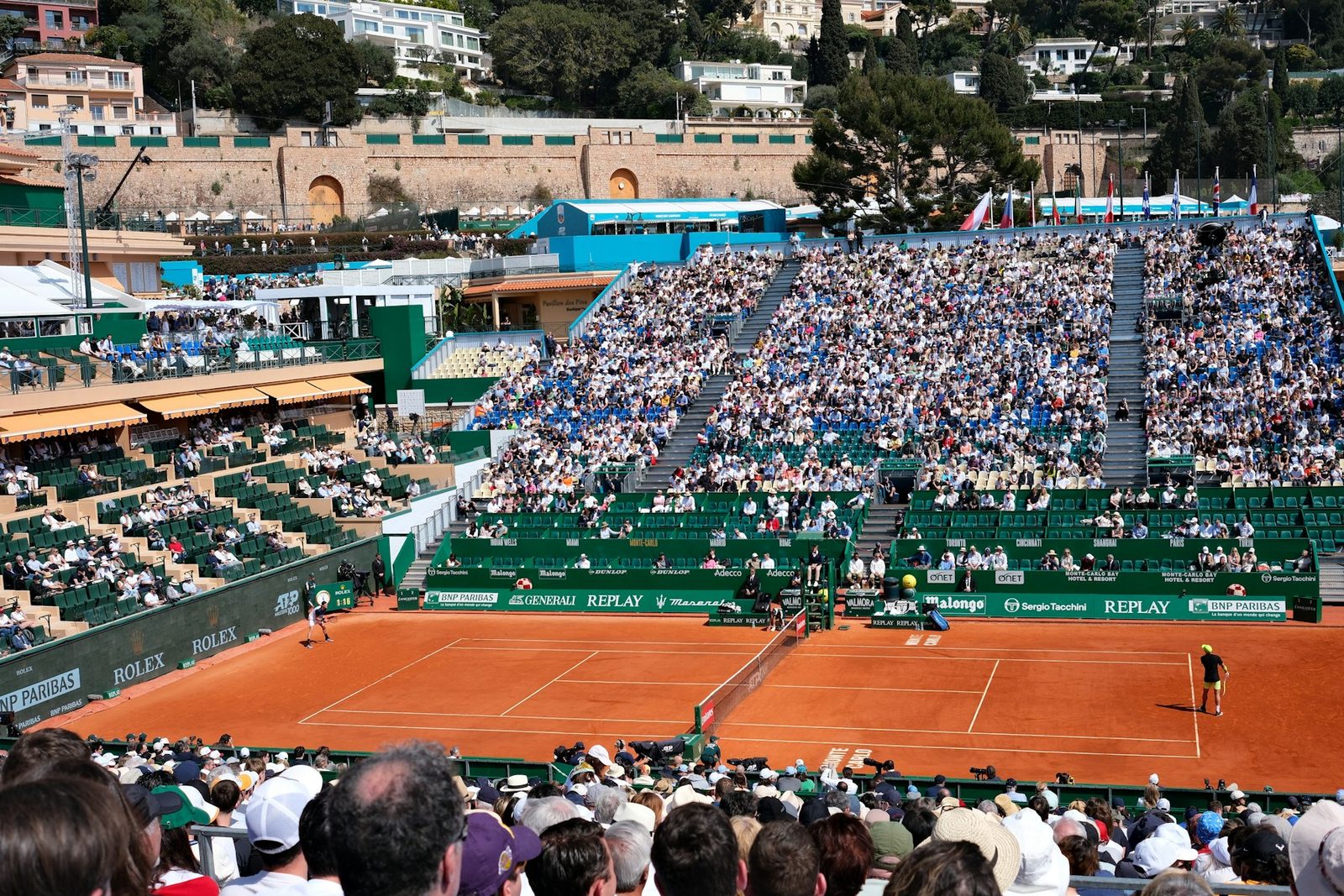
06Looking further ahead: college tennis
For families thinking about NCAA tennis, UTR is the currency. College coaches use it because it compares players across sections and countries directly, without having to interpret regional ranking systems.
A realistic pathway means steady match volume, a rating that climbs year on year, and academics that keep the widest range of programmes open. It also means honest conversations about level. There are excellent Division III and NAIA programmes where a player will actually compete rather than sit on a Division I bench.
The timeline matters too. Recruiting conversations typically begin in earnest around sophomore and junior year of high school, which means the match record that supports them is built in the two or three years before that. A player who starts competing at fifteen has not ruled anything out, but they have less runway to show a rating trending upward, which is what coaches look at more than any single result.
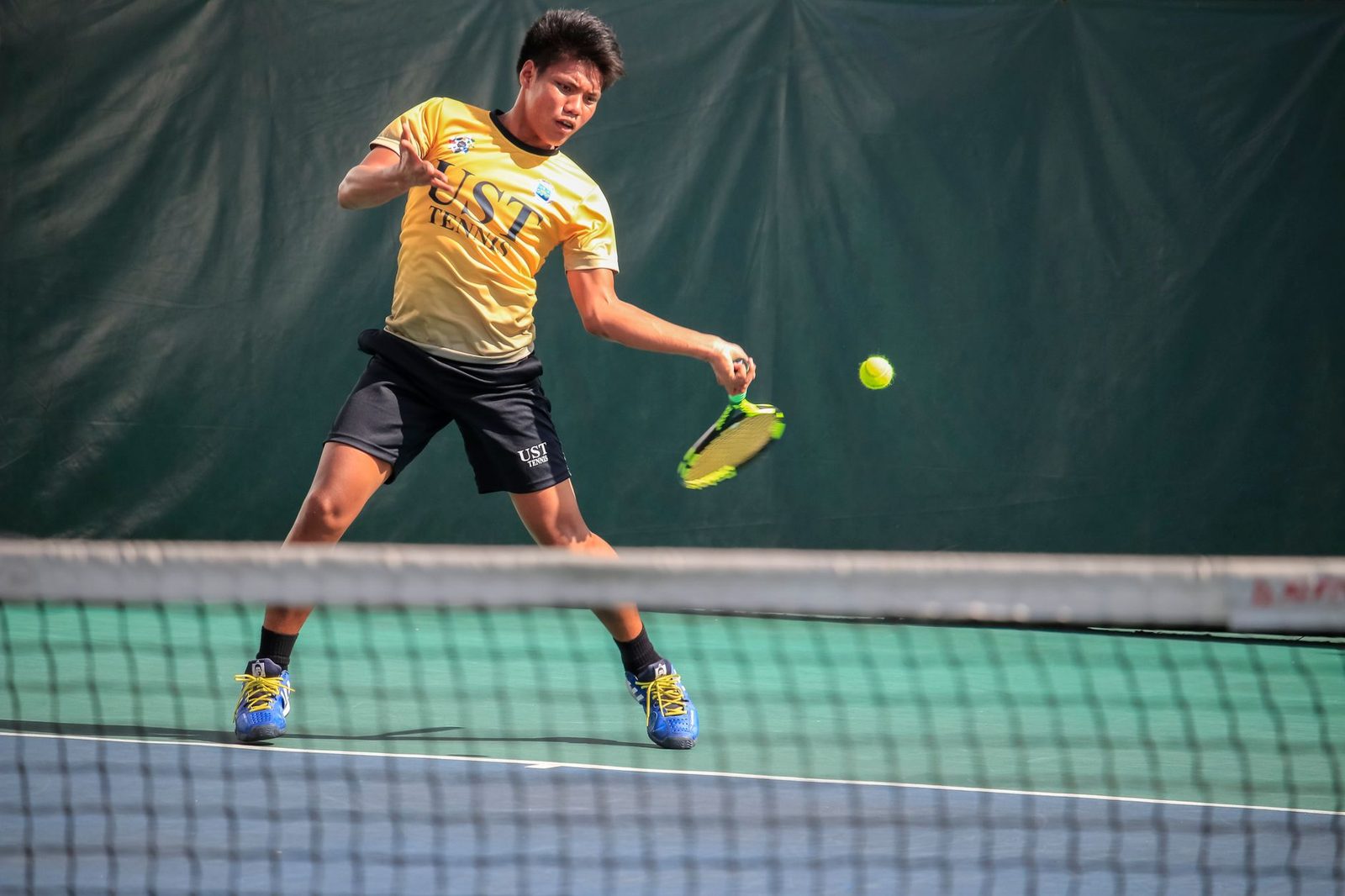
07Building the game underneath the pathway
None of the structure above matters without the tennis. Juniors who progress furthest tend to have movement sorted early, which is what these tennis footwork drills are for, a base of off-court athleticism, covered in off-court tennis fitness training, and a reliable serve routine, covered in why tennis players bounce the ball before serving.
Doubles is also part of most junior events, so time spent on doubles court positioning pays off quickly. If you are weighing up squads, programmes and costs, this guide to tennis lesson costs in the Bay Area sets out the options, and a private lesson in Redwood Shores at Bay Club Redwood Shores is the place to start if you would like the player assessed in person.
08Frequently asked questions
Get a USTA membership and player number, then find an entry-level event through USTA Northern California’s junior tournament listings. Start at Level 7, which is designed for players new to competition, and enter locally before travelling.
They rank events by strength of field and ranking points. Level 7 is entry level, Level 1 is the most advanced. Higher levels award more ranking points, are harder to gain entry to, and generally require results at lower levels first.
UTR is a rating from 1.00 to 16.50 calculated from a player’s last 30 singles matches over 12 months, factoring in opponent level and match score. USTA rankings are points-based and reward tournament results. UTR describes how well you play; USTA rankings describe how much you have won.
Most juniors start competitive play between 8 and 10 using red, orange or green ball formats, which use slower balls and smaller courts. There is no advantage in rushing to full-court yellow ball before the technique holds up.
It can. College coaches recruit heavily on UTR because it compares players across regions directly. A realistic pathway means consistent match play, a rating that climbs steadily, and academic results that keep options open.

Claire Carter
Former WTA Tour Professional & Teaching Pro
Claire Carter is a former WTA Tour professional and a full-time teaching professional at Bay Club Redwood Shores, where she has coached juniors and adults for more than twelve years.
More about ClaireImage credits: Ashwin Tanjore (Unsplash), Hoi Pham (Unsplash), Jim De Ramos (Pexels), Mat Brown (Pexels), RDNE Stock project (Pexels), Wilson Stratton (Unsplash), chris robert (Unsplash). Photographs are illustrative.