
Practice
Padel for Tennis Players: What You Need to Know
How padel differs from tennis: the walls, the underarm serve, the solid racket and the tactics. What transfers, what does not, and what to unlearn.

Jump to a section
Want to improve your game?
Private and group coaching with Claire Carter in Redwood Shores.
Book a lessonMore tennis guides
Technique, gear, fitness and match play, written from the coach’s chair.
Browse all guidesPadel is growing quickly and a lot of tennis players are trying it. The two sports look similar from a distance and are genuinely different once you are on court, mostly because of one feature: the walls.
This is what actually changes, what your tennis gives you, and the single habit you will need to unlearn.
01The differences that matter
| Tennis | Padel | |
|---|---|---|
| Court | 23.77m x 10.97m, open | 20m x 10m, enclosed by glass and mesh |
| Walls | None | In play; the ball may rebound off them |
| Racket | Strung, long handle | Solid foam core, no strings, much shorter |
| Serve | Overhead, two attempts | Underarm, below waist height |
| Format | Singles or doubles | Almost always doubles |
| Scoring | Standard, with advantage | Standard, often sudden death at deuce |
| Swing | Long and full | Short and compact |
The scoring being identical is genuinely helpful; it is one less thing to learn. Everything else about how points are constructed is different.
02The walls change everything
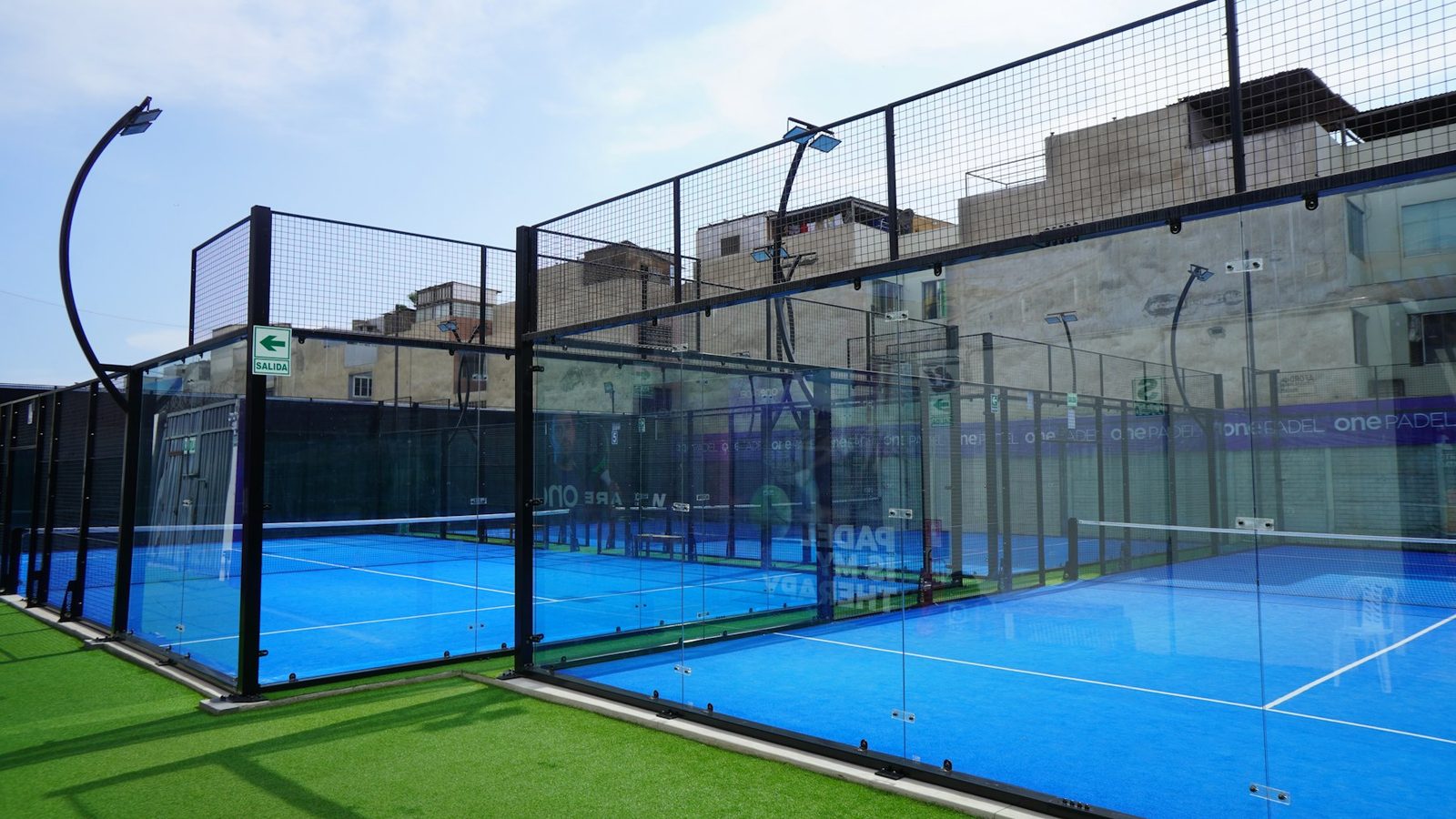
This is the whole sport in one sentence: after the ball bounces on the floor, it may rebound off the glass and remain in play.
For a tennis player that is deeply counterintuitive. You have spent years learning to intercept balls before they get behind you, and that instinct is now wrong. A ball flying past your shoulder is not a lost point; it is a ball to let go, track, and take off the back glass with time to spare.
Watching a good padel player let a heavy ball sail past them and calmly play the rebound is the moment most tennis players understand the sport is not what they assumed.
03The racket and the swing
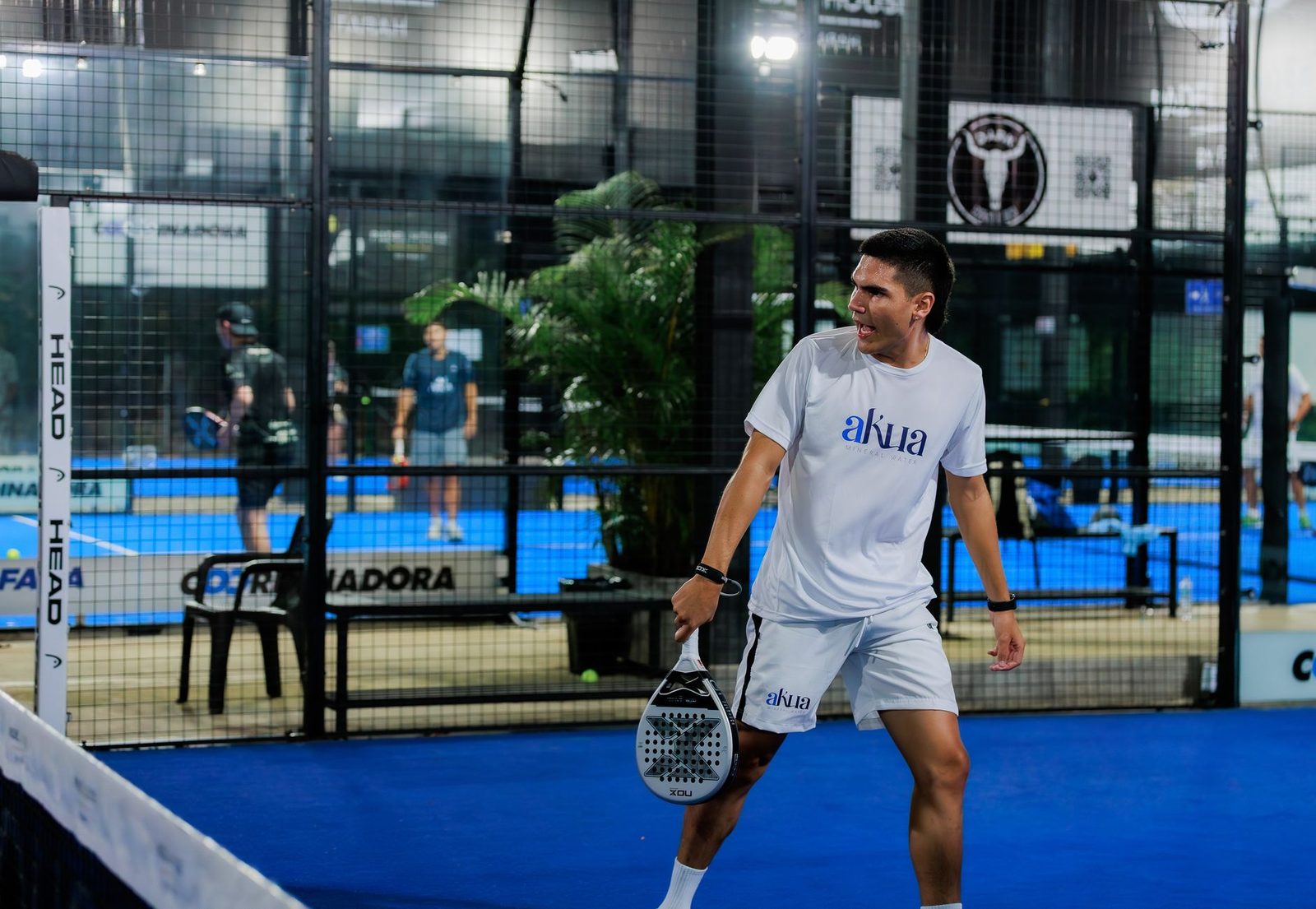
A padel racket is solid, perforated, has no strings and is considerably shorter than a tennis racquet. It has a foam core with a carbon or fibreglass face.
The practical consequence is that long swings do not work. The shorter frame and lack of a string bed mean control comes from a compact motion and placement rather than from racquet head speed. Tennis players routinely over-swing for their first several sessions and spray balls into the glass.
04The serve
Underarm, struck at or below waist height, after bouncing the ball behind the baseline, into the diagonal service box. There is no overhead serve and therefore no serving dominance.
This is a large tactical difference. In tennis the serve is the most powerful shot in the game and shapes the whole point, as covered in this serve technique guide. In padel the serve is a way to start the rally and get to the net, and the serving team’s advantage comes from position rather than pace.
05What your tennis gives you
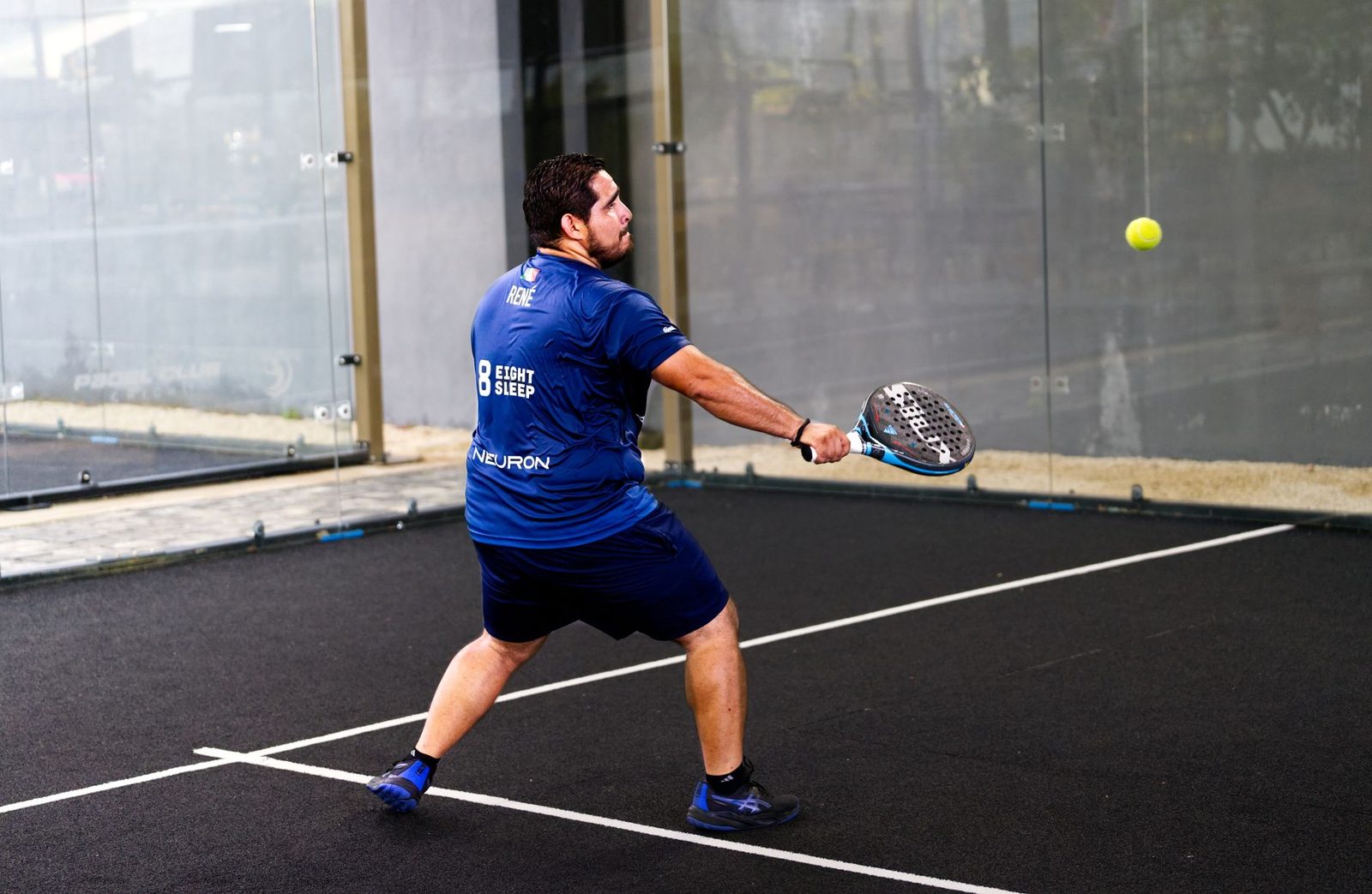
- Volleys. Padel is largely played at the net; a good tennis volley transfers well.
- Hand-eye coordination. Transfers almost completely.
- Doubles positioning. Moving as a pair is the same skill, covered in this guide to doubles court positioning.
- The lob. Enormously important in padel and familiar to tennis players.
- Competitive habits. Knowing how to construct a point and manage a score is a real edge.
The overhead is a partial exception. You need one, but smashing flat is often the wrong choice because the ball can rebound off the back glass and come straight back at you.
06What to unlearn
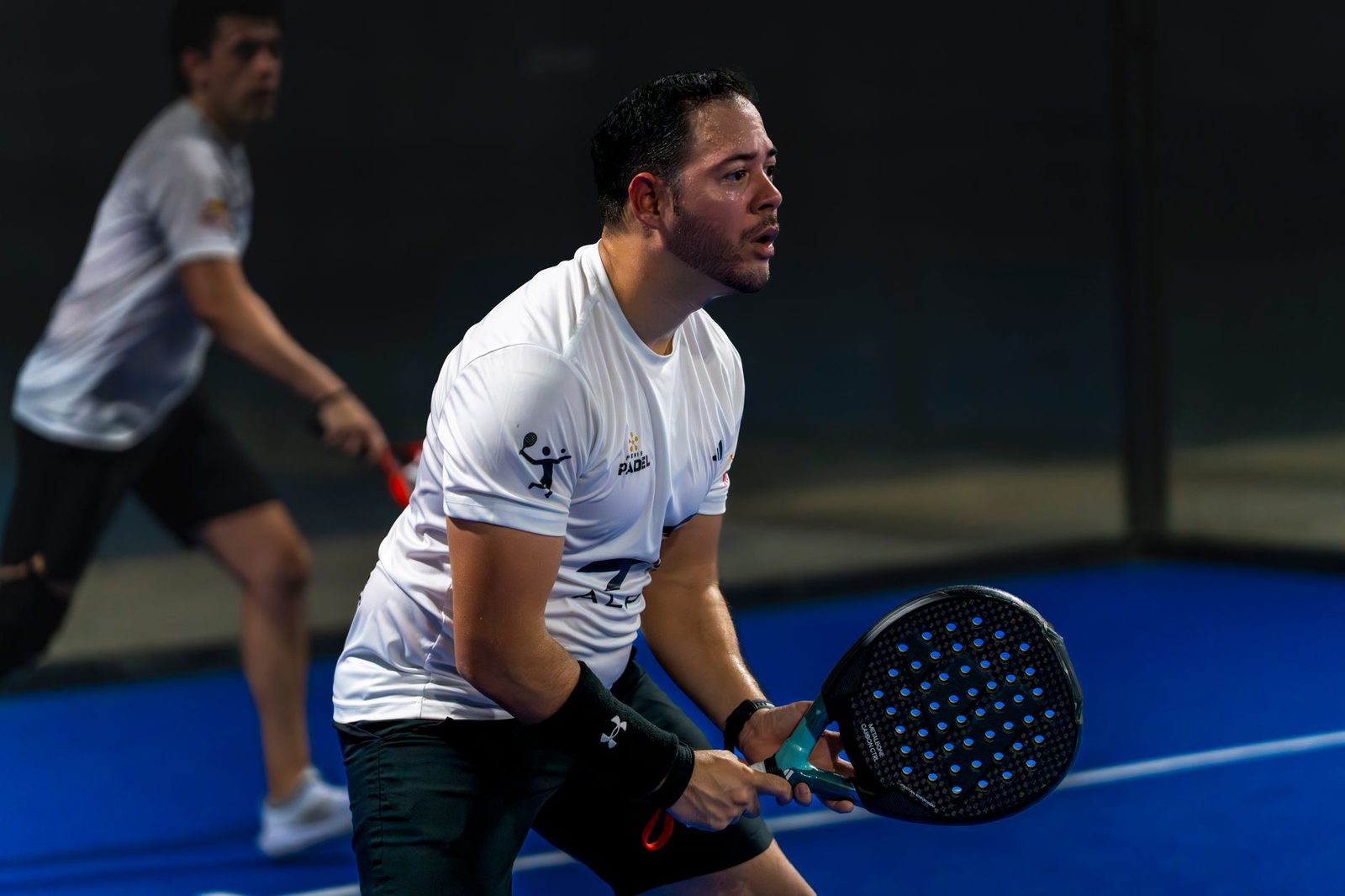
- Attacking every ball. Patience and the wall reset are core skills.
- Long swings. Compact, or the glass will punish you.
- Power as the default. Placement and height matter more.
- Defending the space in front of you. Let balls pass and use the rebound.
- Treating the lob as defensive. In padel it is a primary attacking shot.
For a fuller introduction aimed specifically at people coming from tennis, Padel39 has a good guide.
07Your first session, realistically
Expect to be competent and frustrated in roughly equal measure. The ball striking will feel easy and the decisions will feel wrong, which is the opposite of how most people experience a new sport.
- First twenty minutes. You will over-hit almost everything into the glass. Shorten the swing sooner than feels natural.
- First hour. You will keep intercepting balls you should let go to the back wall. This is the hardest habit to break.
- First session. You will probably win points against people who have played longer, purely on hand skills.
- Second session. Those same people will start using the walls against you and the advantage will disappear.
The useful mental adjustment is to treat the back glass as a teammate rather than a boundary. Once that clicks, the sport opens up considerably and the rallies get much longer.
08Cost, kit and access
Padel is cheaper to start than tennis and often harder to get a court. That combination surprises people.
| Item | Note |
|---|---|
| Racket | Entry-level rackets are inexpensive; clubs almost always lend them |
| Balls | Similar to tennis balls but at slightly lower pressure |
| Shoes | Court shoes; clay-style soles are common on the sand-filled surface |
| Court hire | Usually per court per hour, split four ways, so cheap per person |
| Availability | The real constraint; courts are heavily booked in most areas |
Your tennis shoes will generally do for a first session, though the surface is sand-dressed artificial turf rather than hard court, so grip behaves differently; the reasoning is the same as in this guide to choosing tennis shoes for your court surface. Padel balls look like tennis balls and are slightly softer, and the differences are of the same order as those covered in this guide to tennis balls.
Because it is always doubles and the court is small, four players share one court hire, which makes an hour of padel cheaper per person than an hour of singles tennis in most places.
09Should you play both?
If you enjoy it, yes, with one caution. The swing-length difference is a genuine interference risk in a way that most cross-sport play is not, because padel actively rewards the shortened stroke that tennis coaches spend years lengthening.
Keeping at least one tennis session a week comfortably prevents it. The same broad logic applies to the other racket sport tennis players are trying in numbers, covered in this comparison of tennis and pickleball, and the wider question of what supplements tennis well is in this guide to cross-training for tennis.
10Frequently asked questions
Easier to start. The court is smaller, the serve is underarm, the racket is shorter and the walls keep the ball in play, so rallies happen almost immediately. Playing it well is a different matter and takes just as long as tennis.
Substantially. Hand-eye coordination, volleys, court sense and doubles positioning all carry over. What does not transfer is the swing length and, most importantly, the instinct to attack every ball rather than letting it come off the wall.
Identically to tennis, with games, sets and tiebreaks. Many formats use a sudden-death point at deuce rather than advantage, and the receiving team chooses which side receives it.
Almost always. Singles padel exists but is rare, and courts are built for doubles. If you dislike doubles you will probably dislike padel.
The main risk is swing length. Padel rewards a short, compact swing and tennis does not, so heavy padel play with little tennis can shorten your groundstrokes. Keeping regular tennis in the mix prevents it.

Claire Carter
Former WTA Tour Professional & Teaching Pro
Claire Carter is a former WTA Tour professional and a full-time teaching professional at Bay Club Redwood Shores, where she has coached juniors and adults for more than twelve years.
More about ClaireImage credits: Bruno Vaccaro Vercellino (Unsplash), CRISTIAN CAMILO ESTRADA (Pexels), Célio Júnior (Pexels), César O’neill (Pexels), Iván Hernández-Cuevas (Pexels), Roger Aribau Gisbert (Pexels). Photographs are illustrative.