
Fun On Court
Tennis and Pickleball: Should You Play Both?
How pickleball differs from tennis, which skills transfer, whether it damages your tennis technique, and how to play both without confusing yourself.

Jump to a section
Want to improve your game?
Private and group coaching with Claire Carter in Redwood Shores.
Book a lessonMore tennis guides
Technique, gear, fitness and match play, written from the coach’s chair.
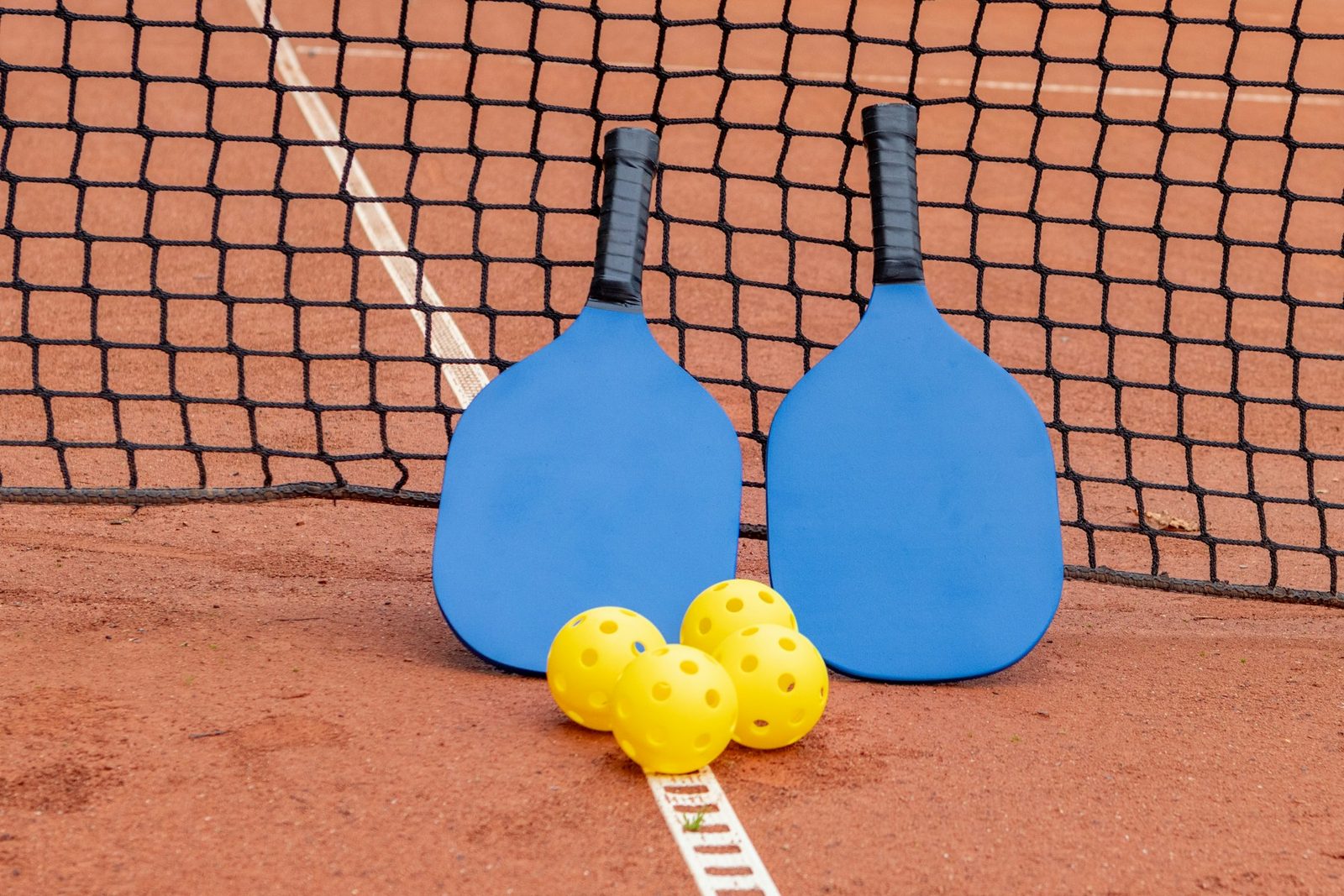
Browse all guidesPickleball is the fastest-growing sport in the United States, and a good number of its new players came from tennis. If you play tennis and are wondering whether to try it, or whether it will damage a technique you have spent years building, this is the honest answer.
Short version: it will not ruin your tennis, it transfers less than people assume, and there are one or two things it genuinely improves.
01What is actually different
| Tennis | Pickleball | |
|---|---|---|
| Court size | 78 ft by 27 ft (singles) | 44 ft by 20 ft |
| Equipment | Strung racquet, pressurised ball | Solid paddle, perforated plastic ball |
| Serve | Overhead, two attempts | Underhand, one attempt |
| Ball speed | Fast, heavy, high bounce | Slower, lighter, low bounce |
| Typical rally | Baseline exchanges | Soft exchanges at the net |
| Physical demand | More running; higher impact | Less ground to cover; lower impact |
| Time to first rally | Weeks | Often the first session |
That last row explains most of pickleball’s growth. A complete beginner can rally and play points within an hour, which almost never happens in tennis. Whatever else is true, that is a real advantage for getting people playing.
02The equipment difference
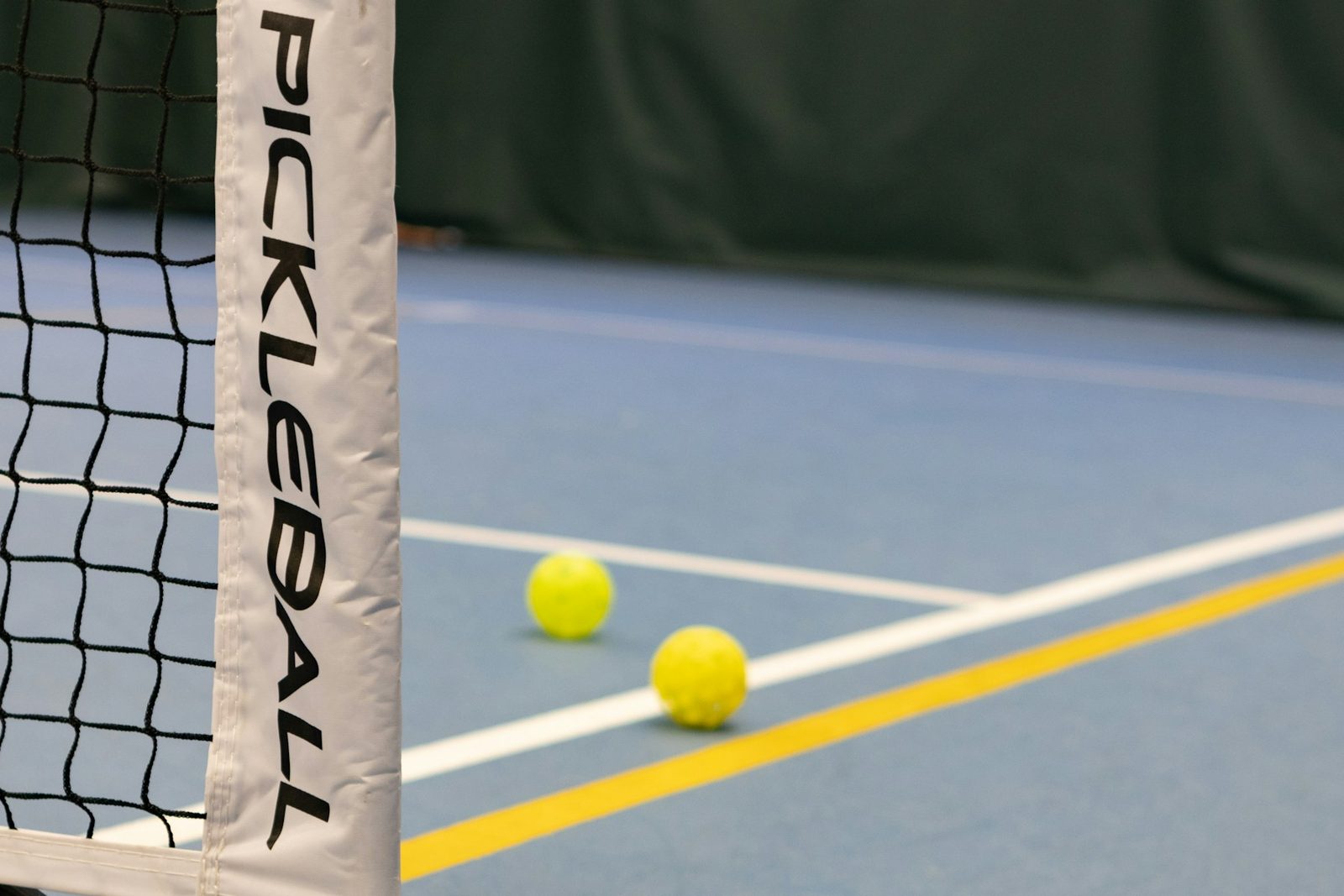
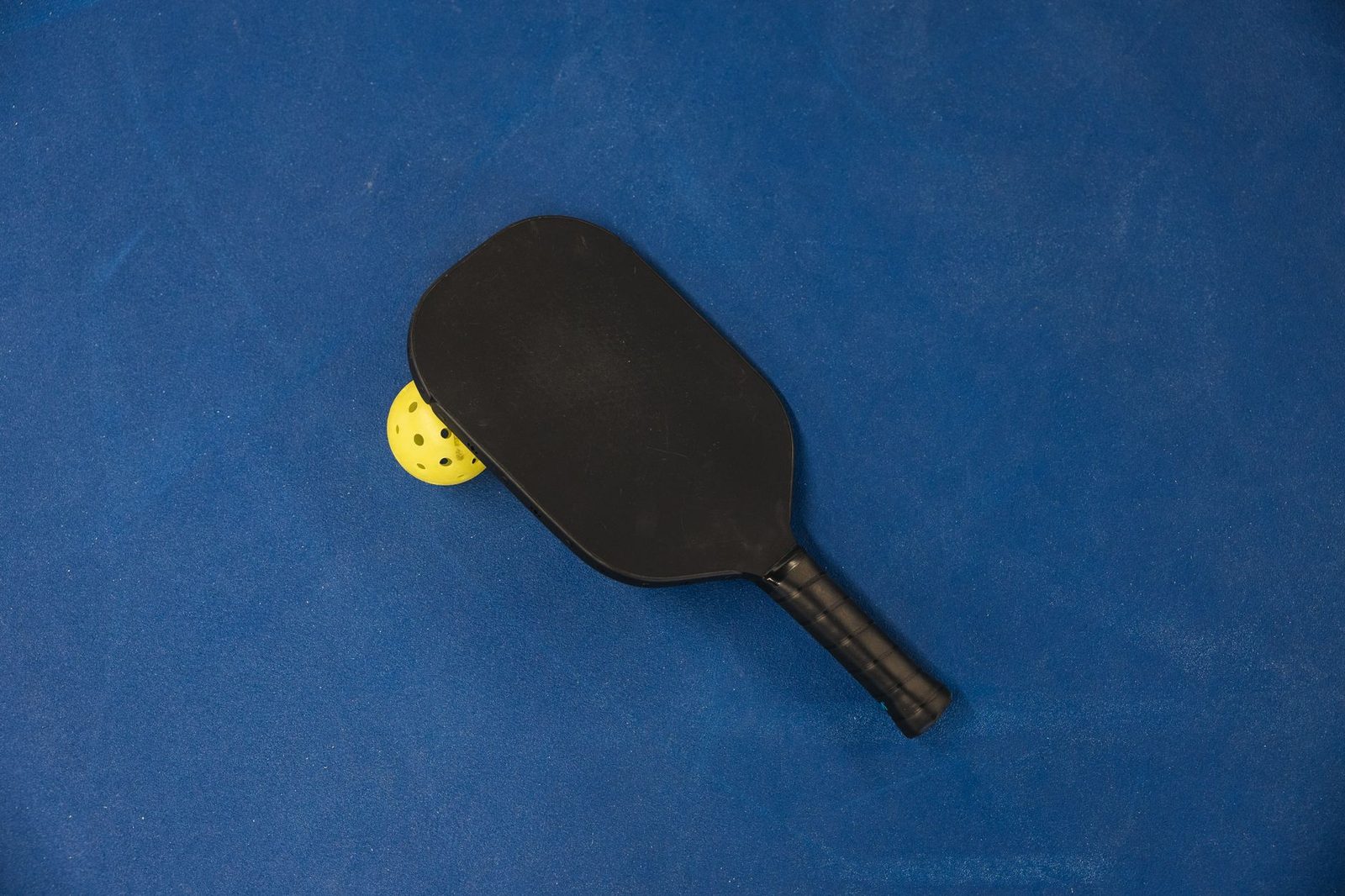
A pickleball paddle is solid, roughly the size of a large table tennis bat, and has no strings. That single fact drives most of the differences in how the two sports feel to play.
With no string bed there is no trampoline effect and far less spin potential, so power comes almost entirely from the swing rather than the equipment. The ball is perforated plastic rather than pressurised rubber, so it slows down quickly and bounces low. Together those two things are why rallies happen close to the net rather than from the back of the court.
For a tennis player the practical consequence is that your usual sources of advantage, heavy topspin and pace, mostly do not exist. What is left is placement, patience and touch, which is why so many strong tennis players lose their first matches to unremarkable-looking pickleball regulars.
03What transfers from tennis
Tennis players usually start pickleball well ahead of a genuine beginner, but not as far ahead as they expect, and the gap closes quickly.
- Hand-eye coordination. Transfers almost completely.
- Court sense and positioning. Reading angles and covering space carries over directly.
- Volley instincts. Being comfortable at the net is a genuine head start.
- Footwork and split-step timing. The patterns in these tennis footwork drills apply on both courts.
- Competitive experience. Knowing how to construct points and manage a scoreline is a large edge.
What does not transfer is the soft game. Tennis rewards depth and pace; pickleball’s kitchen rules reward touch and patience at the net. Tennis players routinely lose early pickleball matches by hitting too hard from the wrong place, which is a tactical error rather than a technical one.
04Will it hurt your tennis?
This is the question tennis players actually worry about, and the honest answer is a qualified no.
There is a real adjustment period. Coming back to tennis after a run of pickleball, the ball feels heavy, the court feels enormous and your timing is briefly off. That settles within a session or two.
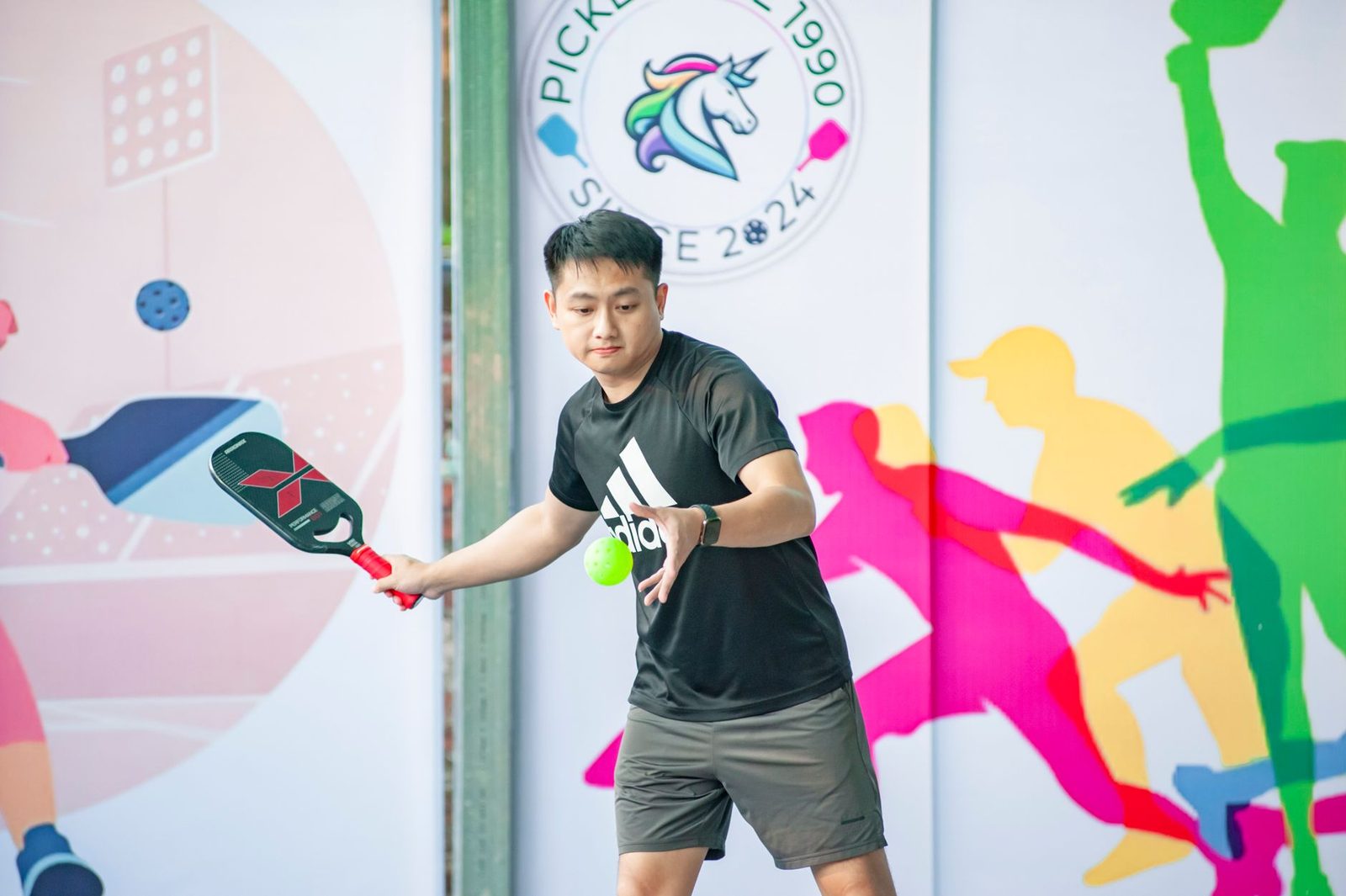
The one genuine technical risk is the volley. Tennis volleys are compact and punched, often with slice; pickleball volleys and dinks are frequently rolled with topspin from a very different contact point. If you play a lot of pickleball and little tennis, that pattern can bleed across. Keeping some tennis net practice going, as in these tennis volley drills, is enough to prevent it.
| Pattern | Interference risk | Note |
|---|---|---|
| Tennis weekly, pickleball occasionally | Very low | You will notice almost nothing |
| Both roughly equally | Low to moderate | Keep tennis volleys sharp |
| Mostly pickleball, tennis rarely | Moderate | Volley technique drifts first |
| Switching within the same day | Highest | Give yourself a proper warm-up between |
05What pickleball can do for your tennis
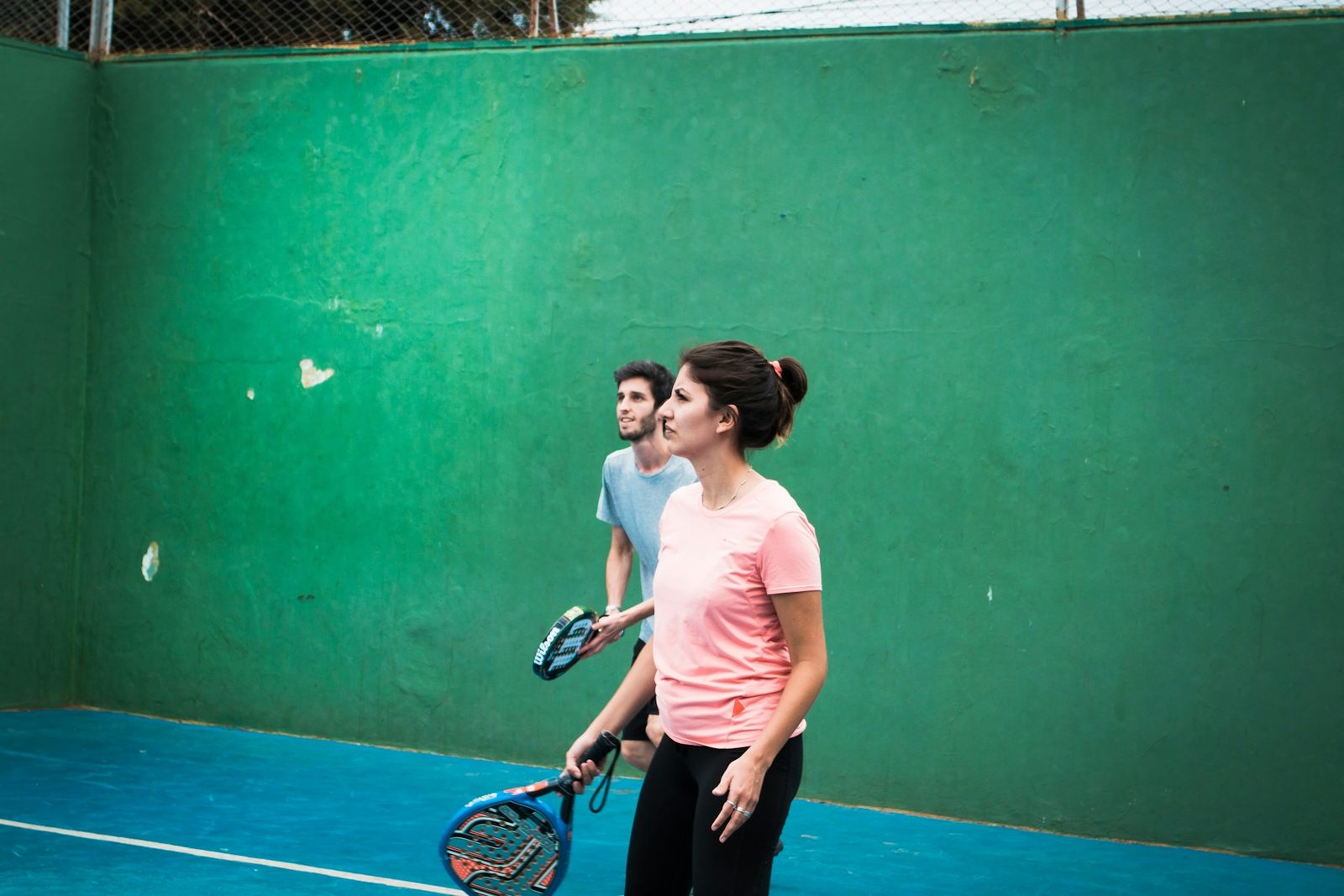
Pickleball is not the only racket sport pulling in tennis players either; this guide to padel for tennis players covers the other one, which differs from tennis in quite different ways. There are two areas where it genuinely helps, and both are things most club tennis players neglect.
Quick hands. Exchanges at the kitchen line happen faster than almost anything in club tennis, with no time for a backswing. That is exactly the reflex quality a tennis net game needs.
Forward and backward movement. Tennis footwork practice tends to be lateral. Pickleball constantly moves you up to the kitchen and back for lobs, which trains a direction most players are weaker in.
06Scoring is different too
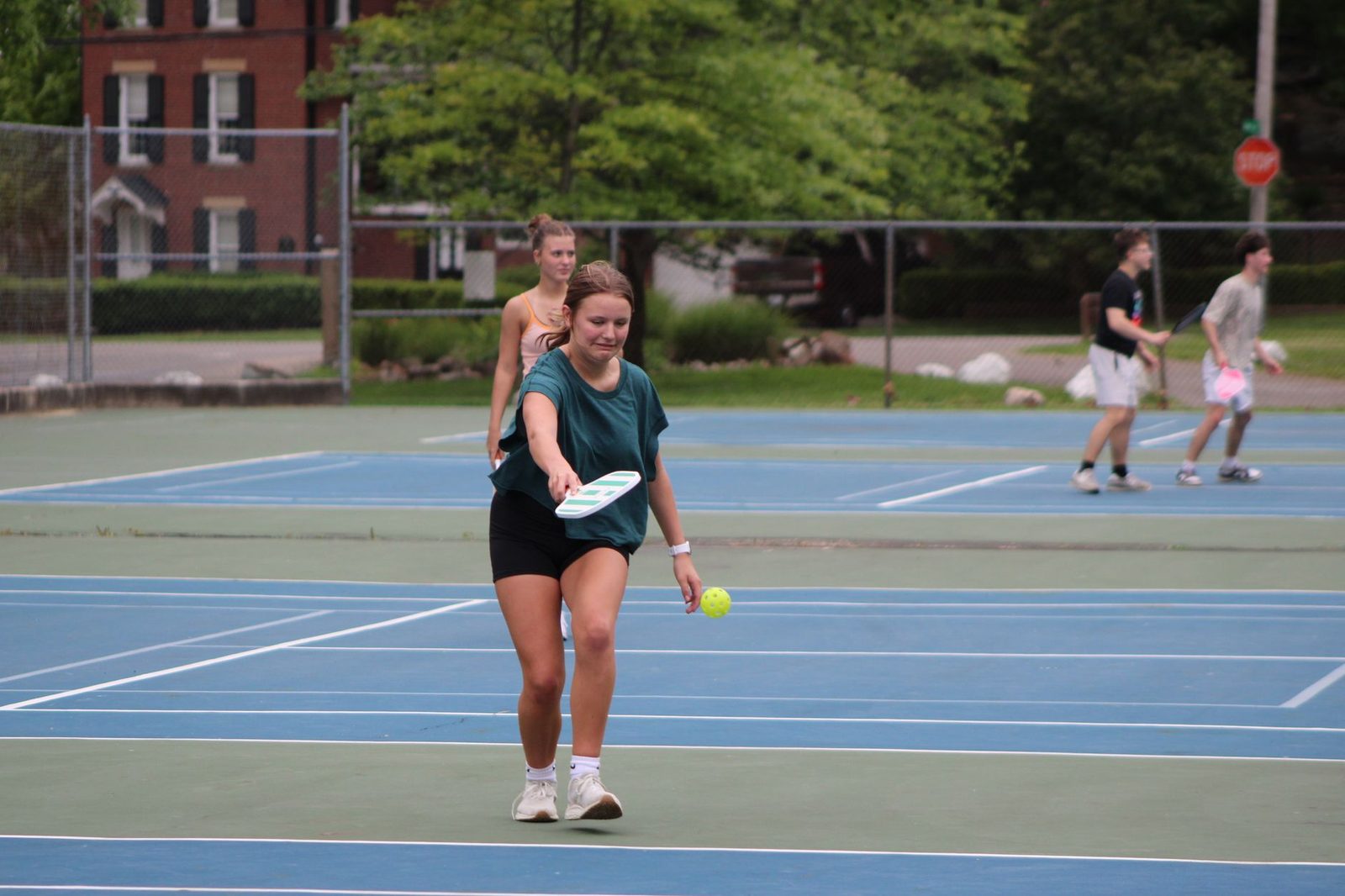
Traditional pickleball scoring only lets the serving side score, games run to eleven points by two, and the server calls a three-number score before every point. None of that resembles tennis, and it is the part most newcomers find genuinely confusing for the first few sessions.
It is worth reading the rules once before your first game rather than working it out mid-match, which is the usual approach and produces a lot of stopping and starting.
07The court-sharing problem
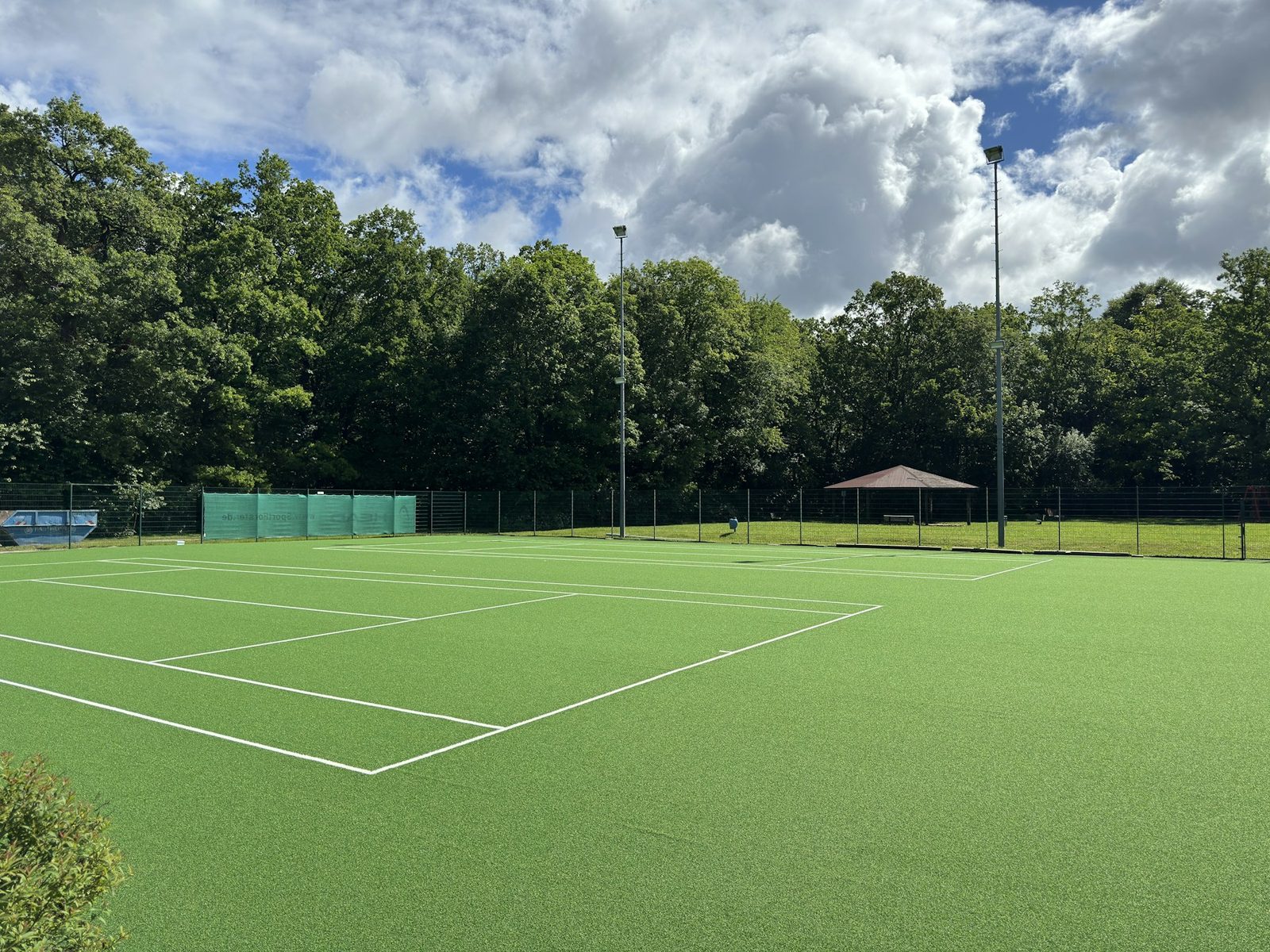
Worth acknowledging because it is the source of most friction between the two communities. Pickleball’s growth has outpaced dedicated facilities, so many clubs and parks have painted pickleball lines onto tennis courts or converted them outright.
For tennis players that means extra lines to look past and, sometimes, fewer courts. For pickleball players it means playing on surfaces not designed for the sport. Neither group created the problem. Several Peninsula courts now carry both sets of lines, as noted in this guide to public tennis courts on the Peninsula.
08Should you play both?
If you enjoy it, yes. The interference risk is small and manageable, the social benefits are real, and the lower physical load makes it a genuinely useful supplement for anyone managing joints. That is part of why it appears so often in conversations about playing tennis after 50.
- Keep at least one tennis session a week if tennis is your main sport.
- Warm up properly when switching; the timing change is real.
- Do not judge your pickleball by tennis standards for the first month.
- Expect the soft game to be the hard part.
- Do not let pickleball become the only racket sport you practise if you want your tennis to improve.
For a fuller discussion of how the two interact, Pickleball Union covers it from the other direction, which is worth reading if you are new to that side.
09Frequently asked questions
Not permanently. The main issue is a short adjustment period: after a run of pickleball, tennis initially feels slow and heavy. Players who keep playing both regularly report very little interference once they are used to switching.
Partly. Hand-eye coordination, court sense, footwork and volley instincts all help, and tennis players usually start well above a complete beginner. But the soft dinking game near the kitchen line is genuinely different and has to be learned.
Easier to start, not easier to master. The smaller court, slower ball and underhand serve mean most people can rally within a session. Competitive pickleball is highly tactical and physically demanding in its own way.
Tennis generally burns more energy per hour because the court is larger and rallies involve more running. Pickleball is lower impact and easier on the joints, which is part of why it suits older players so well.
Yes, in specific ways. The quick hands and rapid reactions at the kitchen line transfer well to tennis net play, and the constant forward and backward movement is useful footwork practice.

Claire Carter
Former WTA Tour Professional & Teaching Pro
Claire Carter is a former WTA Tour professional and a full-time teaching professional at Bay Club Redwood Shores, where she has coached juniors and adults for more than twelve years.
More about ClaireImage credits: Alex Saks (Unsplash), Anh Lee (Pexels), Gabriel Martin (Unsplash), Justus (Unsplash), Keith Cassill (Pexels), Mason Tuttle (Pexels). Photographs are illustrative.