
Coaching Tips
Tennis Drills for Beginners: Your First 10 Sessions
A structured 10-session plan of tennis drills for beginners, covering grip, forehand, backhand, serve and your first rallies, with no partner required.

Jump to a section
Want to improve your game?
Private and group coaching with Claire Carter in Redwood Shores.
Book a lessonMore tennis guides
Technique, gear, fitness and match play, written from the coach’s chair.
Browse all guidesMost beginners give up on tennis for the same reason: they spend their first month picking up balls. If you played years ago and are starting again rather than starting fresh, this guide to coming back to tennis after a break is the better place to begin. Nothing rallies, nothing feels like the sport they watched, and the whole thing feels like a lot of effort for very little tennis.
This plan is designed to avoid that. Ten sessions, roughly one a week, each with a clear focus. By the end you will be able to rally, serve and play a point.
01Before session one: two decisions
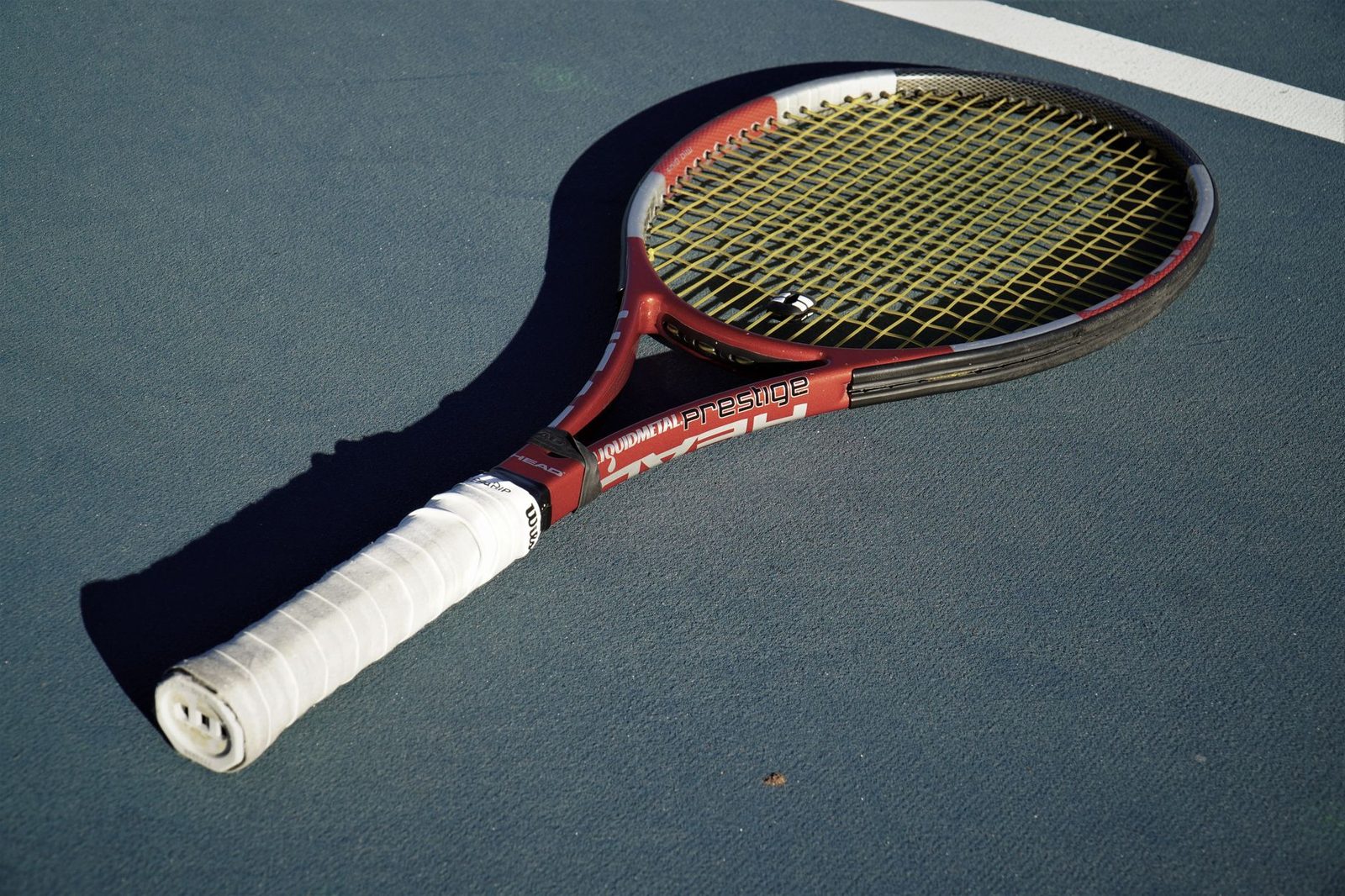
If the vocabulary is the confusing part, this tennis terminology glossary covers every term you will hear. Before anything else, make sure the racquet suits you: choosing a tennis racquet and string setup covers sizing for adults and juniors. Grip. Start with an eastern forehand grip, which you can find by laying your palm flat against the strings and sliding it down to the handle. It is forgiving, it produces a naturally sound contact point, and it is easy to progress from later.
Backhand. Use two hands. The extra hand gives stability and control while your strength and timing develop. One-handed backhands are lovely and considerably harder to learn.
02Sessions 1 to 3: contact and control
Session 1: ball familiarity
Bounce the ball on your strings twenty times facing down, then twenty facing up. Then walk the length of the court dribbling it on the ground with the racquet. This sounds trivial. It builds the hand-eye relationship everything else depends on.
Session 2: drop and hit
Stand near the baseline, hold a ball at arm’s length to your side, drop it, let it bounce, and hit a forehand. Contact out in front, at waist height. Twenty to thirty balls, aiming crosscourt. Then repeat on the backhand side.
Session 3: shadow and feed
Ten shadow swings without a ball, focusing on turning your shoulders early, then twenty fed or dropped balls trying to reproduce the same swing. The pattern for the rest of your tennis life is being set here, so go slowly.
03Sessions 4 to 6: rallying
Session 4: mini tennis
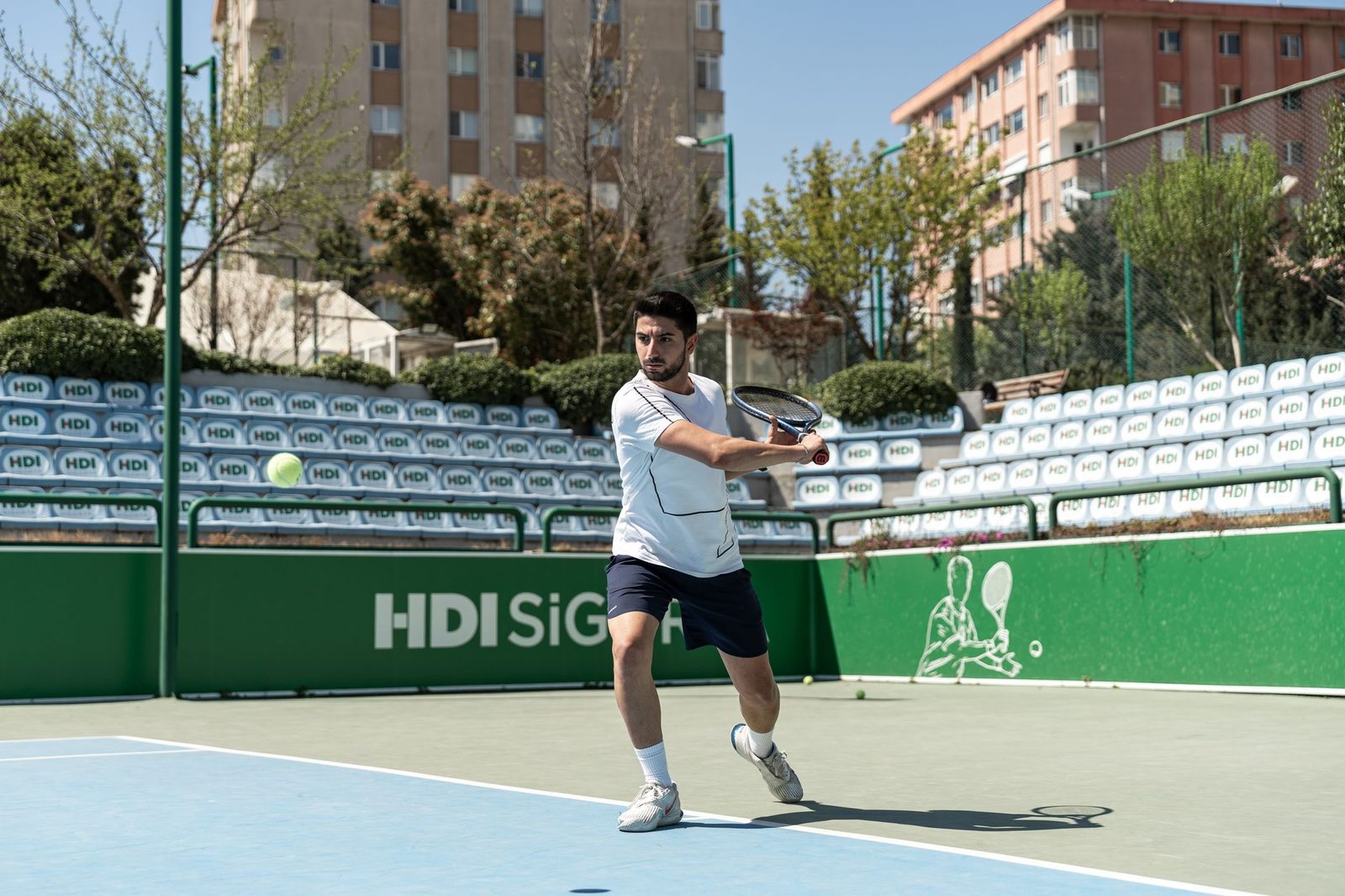
Stand inside the service boxes with a partner and rally using short, soft swings. Aim for ten in a row, then twenty. This is the single best beginner drill there is: it teaches touch, timing and control, and it feels like actually playing.
Session 5: crosscourt rally
Move back to the baseline and rally crosscourt, forehands only, then backhands only. Ten in a row is a genuine achievement. Keep the pace at about half of what feels natural.
Session 6: the wall
Your first solo session. Stand about 16 feet from a wall and rally, alternating forehand and backhand. The wall never misses and never gets bored, which makes it the most efficient practice partner available. These tennis backboard drills for solo practice give you a full structure to work through.
04Sessions 7 to 8: the serve
Session 7: toss and throw
Do not hit any serves. Practise twenty tosses, catching each one, aiming to place the ball slightly in front and to your hitting side. Then throw a ball overarm across the net twenty times. The serve is a throwing action, and if the throw is unfamiliar the serve will be too.
Session 8: serving from the trophy position
Start with the racquet already up behind you, knees flexed, and simply toss and swing up. No wind-up. Twenty serves into the service box at half pace, then twenty with the full motion. The complete breakdown is in this step-by-step tennis serve technique guide.
05Sessions 9 to 10: playing
Session 9: the volley
Stand near the net and have a partner feed gently. Short punch, no swing, contact out in front. Ten each side. Volleys are the fastest shot for a beginner to become competent at, which makes them good for morale. There is a fuller progression in these tennis volley drills for a sharper net game.
Session 10: play points
Serve, return, and play the point out. Keep score properly. You will make a lot of errors and that is entirely the point of the exercise. If the scoring is still confusing, tennis rules and scoring explained covers it from love to tiebreak. Playing reveals which skills need work far better than any drill.
06The ten-session plan at a glance
| Session | Focus | Key drill | Partner needed? |
|---|---|---|---|
| 1 | Ball familiarity | Racquet bounces and dribbles | No |
| 2 | Forehand contact | Drop and hit | No |
| 3 | Swing pattern | Shadow and feed | Helpful |
| 4 | First rallies | Mini tennis | Yes |
| 5 | Baseline rallying | Crosscourt rally | Yes |
| 6 | Solo repetition | Wall rally | No |
| 7 | Serve foundation | Toss and overarm throw | No |
| 8 | Serving | Trophy position serves | No |
| 9 | Net play | Fed volleys | Yes |
| 10 | Playing | Points and scoring | Yes |
07Beginner mistakes worth avoiding
| Mistake | Why it hurts | Do this instead |
|---|---|---|
| Swinging too hard | Destroys timing before it exists | Half pace until you can rally 20 |
| Contact beside the body | No control and no power | Contact out in front, waist height |
| Standing still | Every ball becomes a stretch | Small adjusting steps before every shot |
| Running shoes | No lateral support; ankle risk | Court shoes from the start |
| Practising with two balls | Half the session is spent collecting | Bring at least six |
| Skipping the serve | It becomes the shot you dread | Ten minutes every session |
Progress is not linear and week four often feels worse than week three. That is normal: you are noticing errors you previously could not see. Sportplan has additional beginner drill diagrams if you want more variety.
08Where to play and what comes next
You do not need a club to start. There are free public courts across the Peninsula, listed in this guide to public tennis courts on the Peninsula, and a wall costs nothing at all.
Once you are rallying comfortably, movement becomes the limiting factor, and these tennis footwork drills are the natural next step. If you would rather not build ten weeks of habits alone, even two or three sessions with a coach at the start will save you months of correction later. a private lesson in Redwood Shores covers adult beginners as well as competitive players, and this guide to tennis lesson costs in the Bay Area explains what lessons typically run in the Bay Area.
09Frequently asked questions
The forehand, and before that, the grip. Almost every beginner problem traces back to holding the racquet wrong or making contact in the wrong place. Start with an eastern forehand grip and contact out in front at waist height.
You can rally and play points within about ten sessions if the practice is structured. Playing well takes considerably longer, but the enjoyable part, keeping a ball going with someone, arrives sooner than most people expect.
Partly. You can build the basics with a wall, a bucket of balls and a plan. What a coach gives you is early correction, and habits formed in the first months are the hardest to change later. Even two or three lessons at the start pay off.
Mini tennis is played inside the service boxes with short, controlled swings. It builds touch, timing and rallying ability without the coordination demands of a full court, and it lets beginners experience a real rally on day one.
A racquet appropriate to your size and strength, court shoes rather than running shoes, and a decent number of balls. Six is a sensible minimum. Everything else can wait.
Claire Carter
Former WTA Tour Professional & Teaching Pro
Claire Carter is a former WTA Tour professional and a full-time teaching professional at Bay Club Redwood Shores, where she has coached juniors and adults for more than twelve years.
More about ClaireImage credits: Ahmed (Pexels), Dee Edits (Pexels), Dmytro (Pexels), Gaspar Zaldo (Pexels), Matthias David (Unsplash), Max Vyolsen (Pexels), cottonbro studio (Pexels). Photographs are illustrative.