
Gear
Tennis on a Budget: Gear That Is Worth the Money
How to equip yourself for tennis cheaply: what to buy used, what never to skimp on, and where spending more genuinely improves your tennis.

Jump to a section
Want to improve your game?
Private and group coaching with Claire Carter in Redwood Shores.
Book a lessonMore tennis guides
Technique, gear, fitness and match play, written from the coach’s chair.
Browse all guidesTennis has a reputation as an expensive sport, and it can be. It does not have to be. The gap between a sensible budget setup and a premium one changes very little about how well you play, and quite a lot about your bank balance.
Here is where to save, where not to, and where money genuinely buys improvement.
01The minimum you actually need
| Item | Priority | Approach |
|---|---|---|
| Court shoes | Highest | Do not economise; this is the injury item |
| Racquet | High | Used or entry-level is fine; fit matters more than price |
| Balls | Medium | Pressureless for practice; fresh ones for matches |
| Overgrip | Low cost, high value | A few pounds; transforms an old racquet |
| Bag | Low | Any bag works until you own several racquets |
| Clothing | Low | Any breathable sportswear |
| Court time | Varies | Free public courts exist; see the local guide |
That is the whole list. Everything else marketed at tennis players is optional, and most of it is optional forever.
02Buying a used racquet
The second-hand market is where the biggest saving is, because racquets are durable and models are replaced yearly regardless of whether anything meaningful changed.
- Check the frame for cracks or dents, particularly around the hoop and throat.
- Make sure it is not bent. Sight down the frame from the butt cap.
- Check the butt cap is present and the handle is not damaged.
- Assume you will restring it. Budget for that; old strings are dead regardless of appearance.
- Confirm the grip size before buying. It is the one thing you cannot change downward.
Specialist retailers sell ex-demo racquets, which are usually current models with very little use, and marketplaces such as SidelineSwap carry a large used inventory. The specifications to look for are in this guide to choosing a tennis racquet.
03Inspecting a second-hand racquet
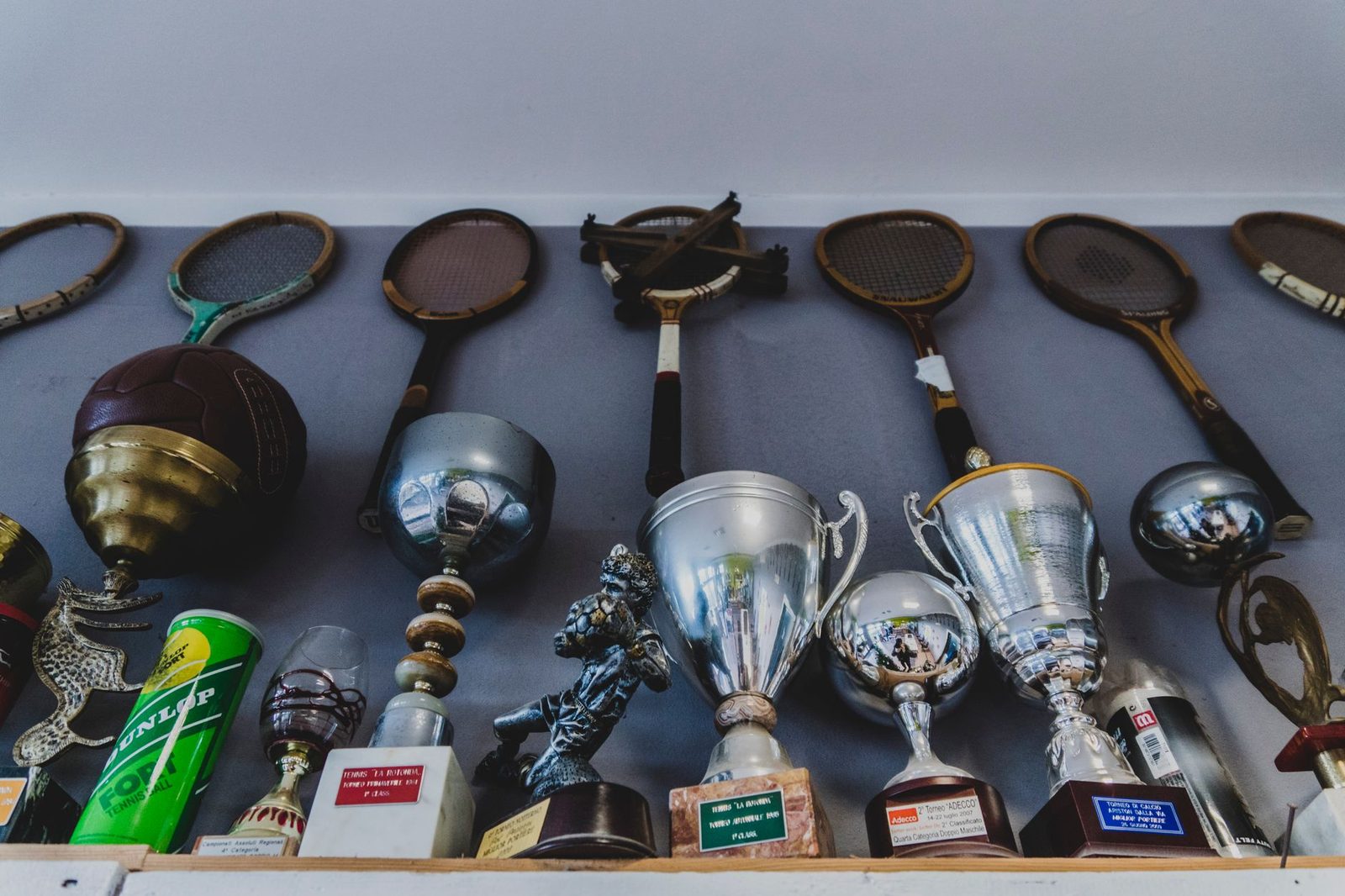
Most used racquets are perfectly sound, and the few that are not are usually obvious once you know where to look. Five minutes of checking avoids the only real risk in buying used.
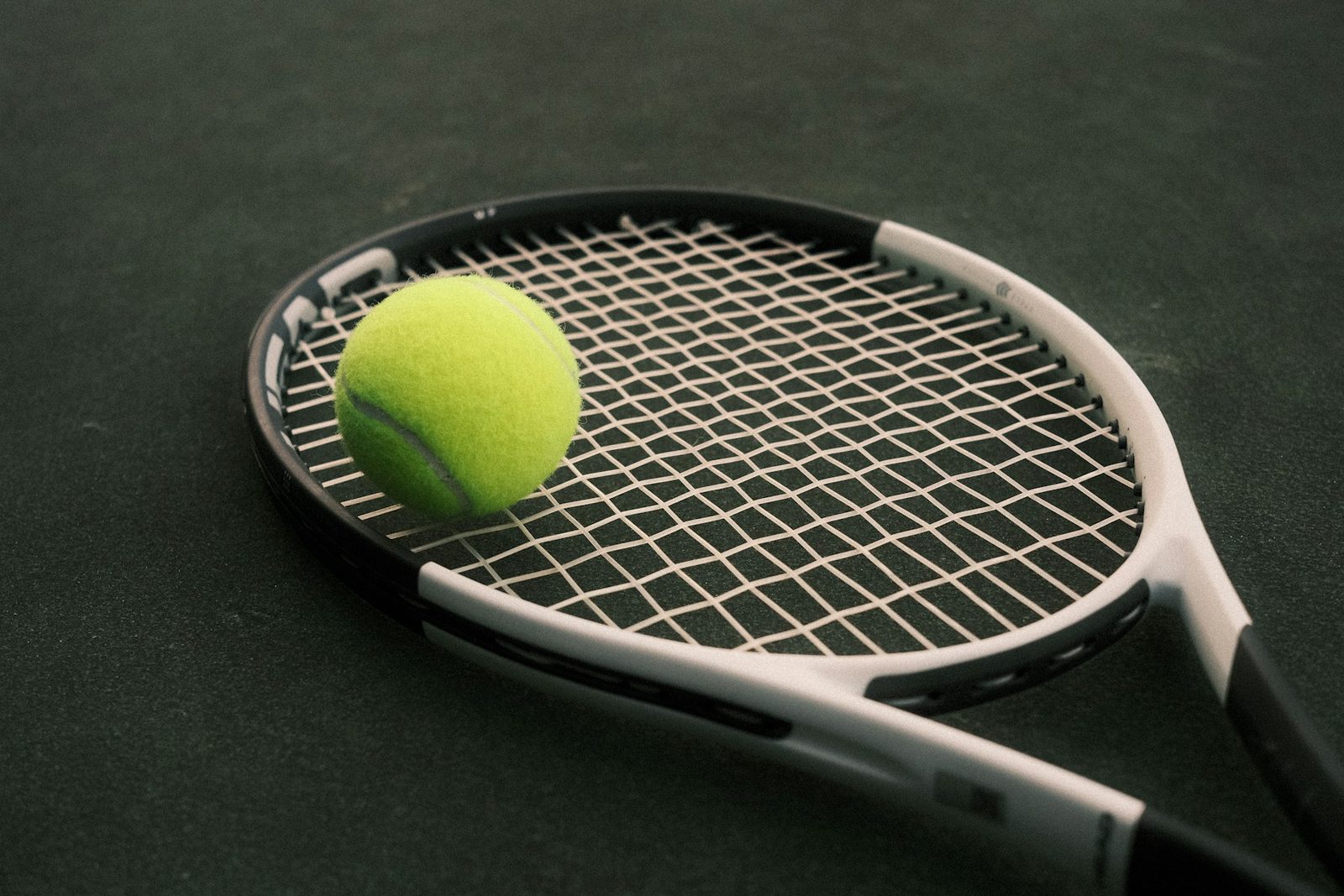
Run a finger around the inside of the hoop where the strings pass through, since cracks often start at the grommets. Sight down the frame from the butt cap to check it is straight. Flex it gently; a frame with hidden damage often feels soft or sounds wrong. And be wary of anything described as barely used but sold without strings, because that is occasionally how damage gets hidden.
04Where not to economise
One item, and it is not the racquet.
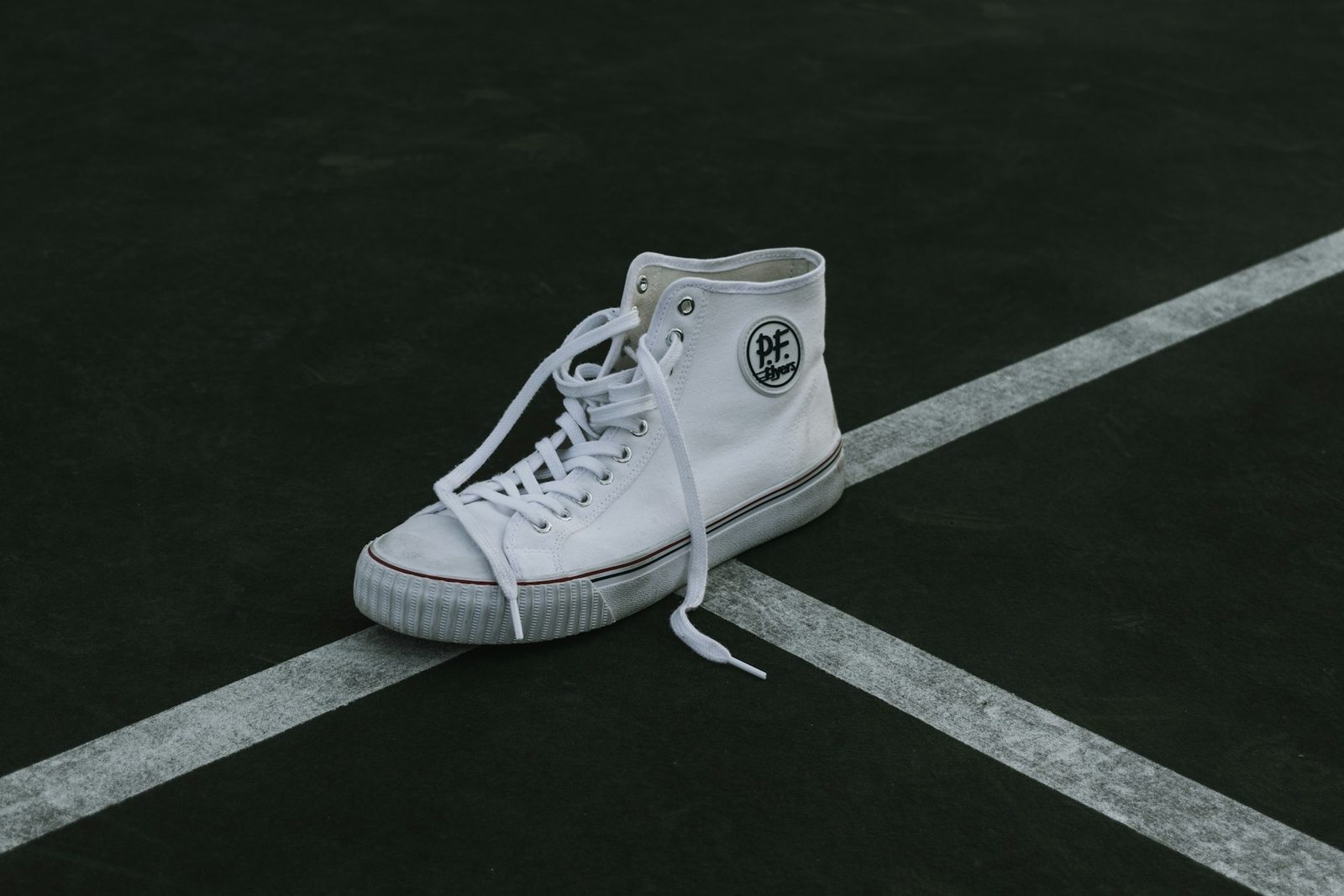
Shoes. Court shoes are the piece of equipment that most affects whether you get injured. Running shoes have soft, tall midsoles and no lateral structure, and tennis is played sideways. A rolled ankle costs weeks of tennis and considerably more than the saving.
Buy last season’s model rather than a cheap generic trainer. Outgoing colourways of proper court shoes are frequently discounted heavily and are identical to the current version in every way that matters. The full selection guide is in this guide to choosing tennis shoes.
05Cheap upgrades that punch above their price
- A fresh overgrip. A couple of pounds and it transforms how an old racquet feels in the hand.
- A restring. Cheaper than a new frame and changes far more; see this guide to choosing tennis strings.
- A ball hopper. Turns solo practice from an ordeal into something you will repeat.
- A dozen pressureless balls. Lasts a year and makes wall and machine practice viable.
- Cones or chalk. Turns aimless rallying into targeted practice for almost nothing.
The hopper is the one people skip and later wish they had bought first. Bending to collect balls by hand is what actually ends most solo sessions.
06Balls: the ongoing cost
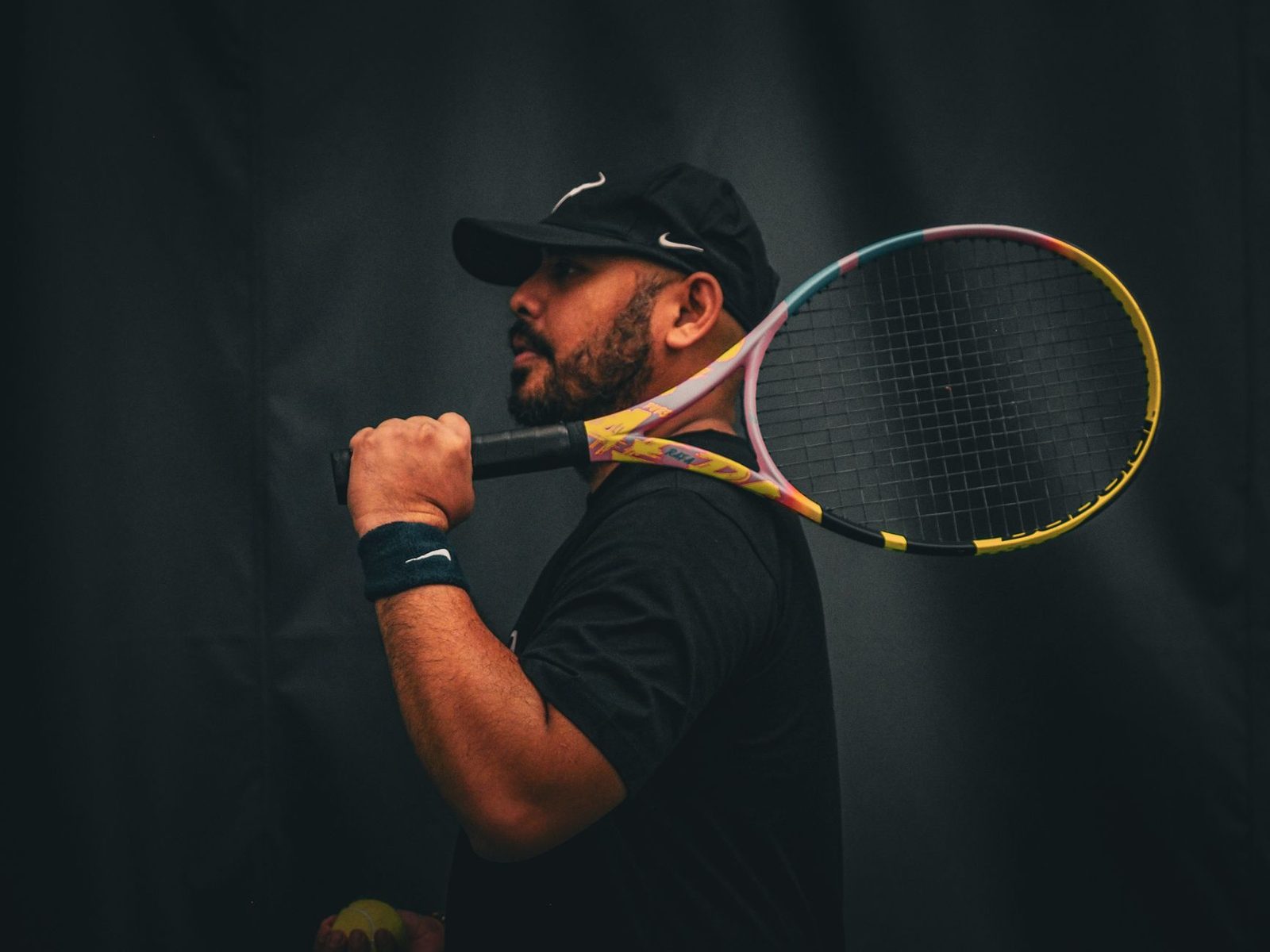
Balls are the recurring expense and the easiest place to waste money. The trick is to use the right type for the job rather than buying fresh cans for everything.
| Use | Ball | Why |
|---|---|---|
| Matches that matter | Fresh pressurised | Consistent bounce; worth the cost |
| Social hitting | Recent pressurised | A can lasts a couple of weeks |
| Wall or machine practice | Pressureless | Lasts a year or more |
| Serve practice | Retired match balls | Bounce matters less; volume matters more |
| Junior coaching | Red, orange or green | Correct for the stage, not a compromise |
Retiring old match balls into a practice bag rather than binning them is the single easiest saving available. Full detail is in this guide to tennis balls.
07Free and low-cost court time
Court fees are often the largest ongoing cost, and they are also the most avoidable. Free public courts exist across the Peninsula, and a wall costs nothing at all.
- Public courts are free and first come, first served in several local cities.
- Off-peak times are quieter and sometimes cheaper at private facilities.
- A wall gives more repetitions per hour than a rally, for nothing.
- Group clinics cost far less per hour than private lessons.
- Club membership only pays off above a certain frequency of play.
The local options are listed in this guide to public tennis courts on the Peninsula, wall sessions are structured in these tennis backboard drills, and whether a membership is worth it is covered in this guide to choosing a tennis club.
08Where money genuinely helps
Having argued for spending less on most things, it is worth being clear about where spending more actually changes your tennis. Players who get through a lot of string should also weigh up this guide to stringing your own racquet, since buying string on a reel is where the saving actually sits.
- Coaching. Nothing else comes close. A few lessons that fix a fault are worth more than any equipment.
- Court time. Volume of play beats everything except coaching.
- Strings. Cheap to change, large effect on feel and comfort.
- Shoes. Injury prevention, which is the most expensive thing to get wrong.
Notice that three of the four are not equipment at all. If you have a fixed budget and are choosing between a better racquet and three lessons, take the lessons: what they typically cost locally is in this guide to tennis lesson costs in the Bay Area.
09Frequently asked questions
A used or entry-level racquet, a second-hand or discounted pair of court shoes, a tube of balls and a free public court. That is genuinely enough, and it need not cost much more than a single private lesson.
Generally yes, if you check it. Look for cracks, dents or a bent frame, check the butt cap is present and the grip is intact, and expect to restring it. Demo racquets from specialist retailers are often excellent value.
Shoes. Running shoes and cheap generic trainers lack the lateral support that stops ankles rolling, and a turned ankle costs far more in lost playing time than the saving was worth.
Not meaningfully. Above the entry level, price buys materials and refinement rather than performance. A mid-range frame that suits your game beats a premium one that does not, and coaching beats both.
Coaching, court time and strings, roughly in that order. All three change how you play. A more expensive frame mostly changes how the racquet looks in your bag.

Claire Carter
Former WTA Tour Professional & Teaching Pro
Claire Carter is a former WTA Tour professional and a full-time teaching professional at Bay Club Redwood Shores, where she has coached juniors and adults for more than twelve years.
More about ClaireImage credits: Andy Sartori (Unsplash), Cristina Anne Costello (Unsplash), Francesco Paggiaro (Pexels), JK Sloan (Unsplash), Patrick Hodskins (Unsplash), Yelitsa Suazo (Unsplash), Yurii Borshch (Pexels). Photographs are illustrative.