
Coaching Tips
Filming Yourself: Using Video to Improve Your Tennis
How to film your own tennis and actually learn from it: camera angles, what to look for in slow motion, and the trap of analysing everything at once.

Jump to a section
Want to improve your game?
Private and group coaching with Claire Carter in Redwood Shores.
Book a lessonMore tennis guides
Technique, gear, fitness and match play, written from the coach’s chair.
Browse all guidesThere is a reliable gap between what players think they do and what they actually do. You feel like you turn early. The video shows you turning as the ball crosses the net. You feel like you finish high. The video shows a stab.
A phone closes that gap faster than almost anything else, and it costs nothing. The reason most players get little from it is not the filming; it is what they do with the footage afterwards.
01Setting up
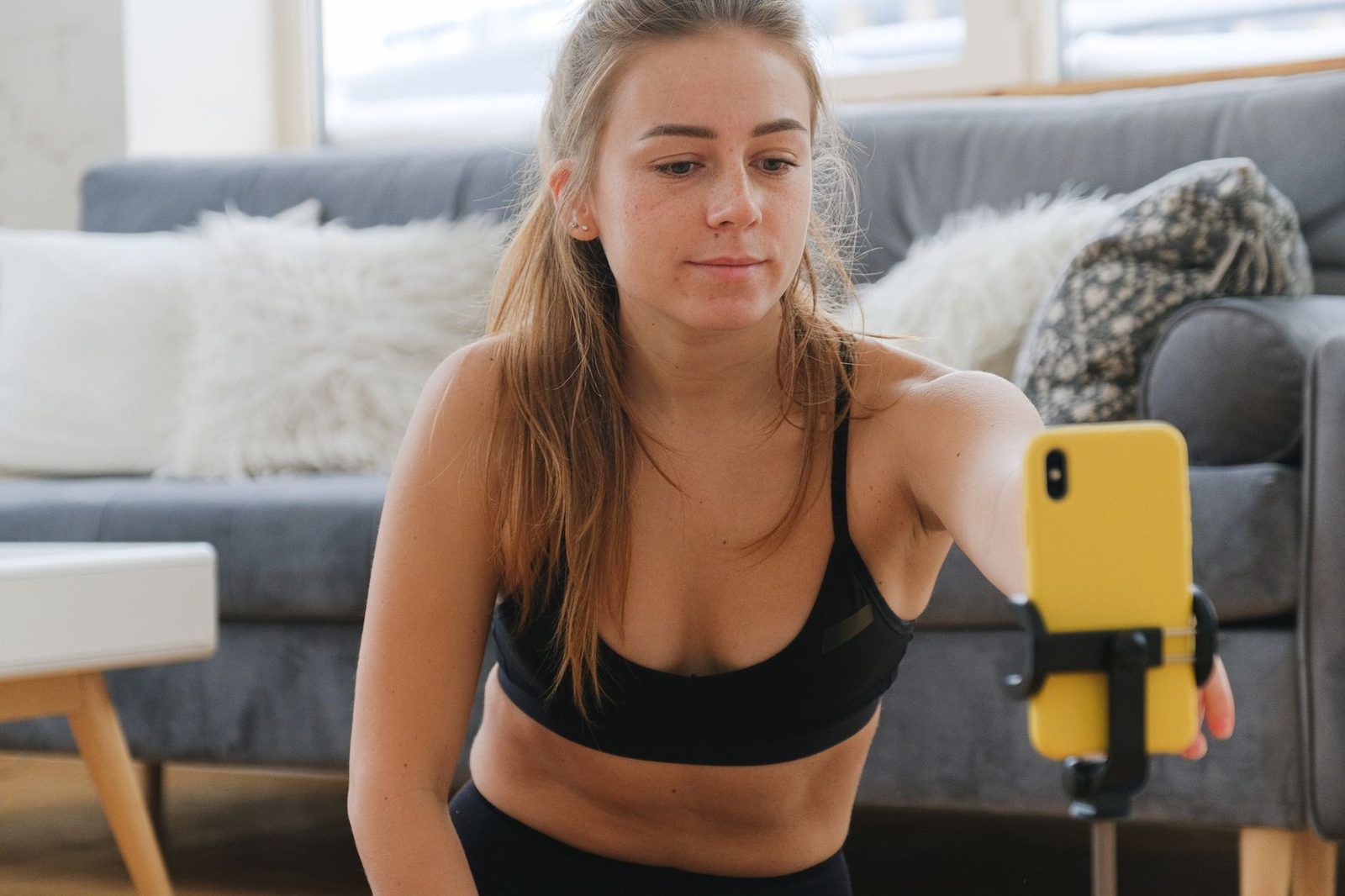
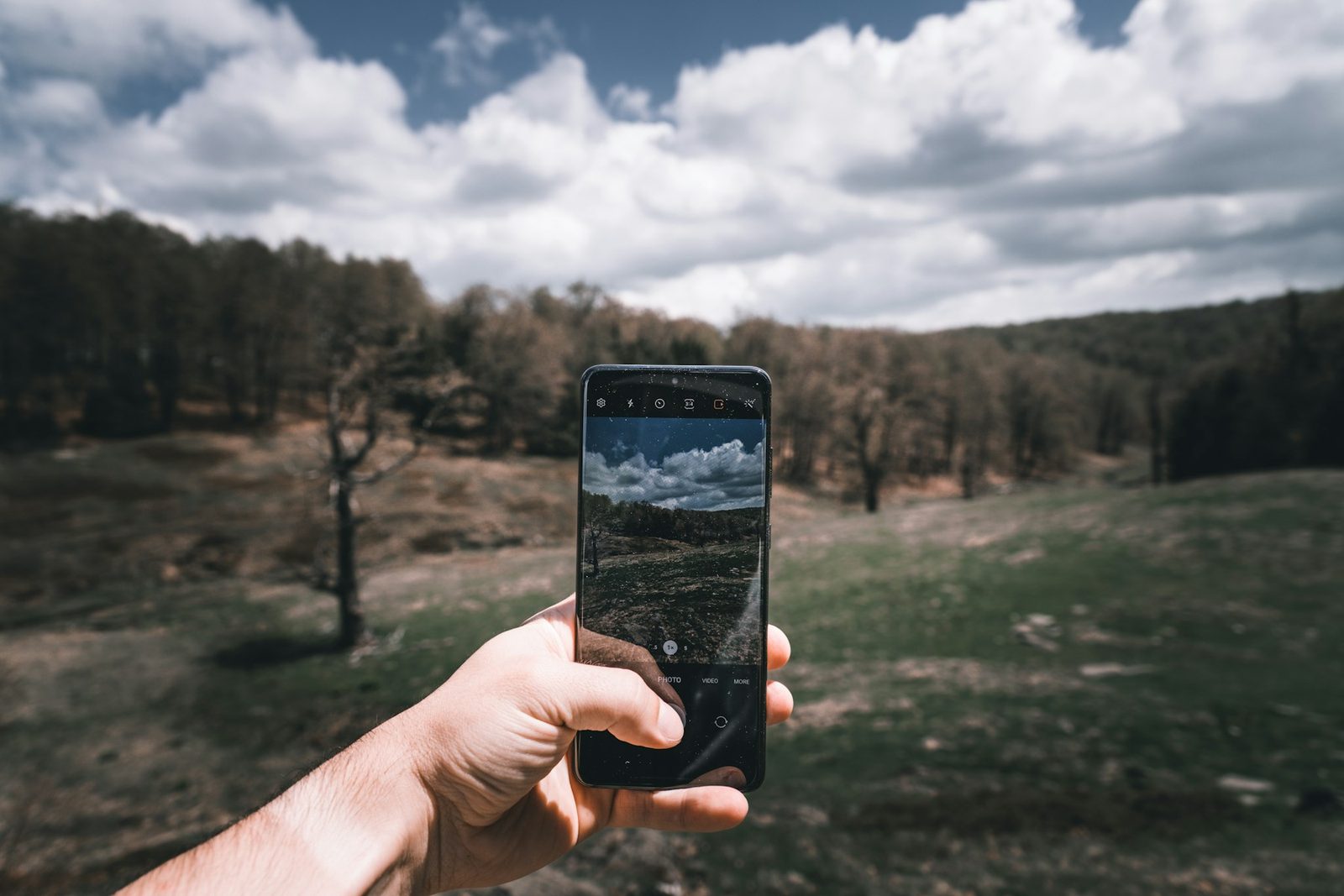
You do not need equipment beyond a phone and something to hold it still. A cheap clip mount that grips a fence is the single best purchase here, because handheld footage is nearly useless for judging body position.
- Mount the phone on the fence at roughly waist to chest height.
- Shoot in slow motion if your phone offers it; 120 frames per second is plenty.
- Check where the sun is. Backlit footage hides exactly what you want to see.
- Frame wide enough to include your feet. Most people cut off the legs and then wonder why the footage is not useful.
- Record two or three minutes, not twenty. You will not watch twenty.
02Angles, and what each one shows
| Angle | What it shows well | What it hides |
|---|---|---|
| Side-on, waist height | Contact point, swing shape, finish | Court position |
| Behind the baseline | Footwork, recovery, court coverage | Contact point detail |
| Front-on, across the net | Shoulder turn, balance, head position | Depth and swing path |
| High and behind | Tactical patterns, where balls land | All technical detail |
| Close on the feet | Split step, adjusting steps, stance | Everything above the waist |
If you film only one angle, use side-on. If you can film two sessions, do side-on for technique and behind-the-baseline for movement, because the two problems are usually different and the fix for one rarely addresses the other.
03Watch it properly
This is where self-analysis usually fails. Players watch the footage once, feel vaguely dissatisfied, notice six things at once, change nothing, and never film again.
- First pass: watch normally. No pausing, no judging. Get a general impression.
- Pick one checkpoint. Contact point, or shoulder turn, or the split step. One.
- Second pass: watch only that. Ignore everything else, even obvious problems.
- Pause at the moment it matters. Frame by frame at contact tells you more than the whole clip.
- Write down one thing to change. Not five.
- Film again in four to six weeks and compare.
The discipline of one checkpoint per session is what makes this work. Everything you notice and do not act on is noise, and noticing ten faults reliably produces zero changes.

04The trap of analysing everything
The most common failure mode is not technical, it is attentional. You watch yourself for the first time, immediately see eight things you dislike, feel discouraged, and then change nothing because eight is too many to act on.
Professionals working with video do the opposite. They isolate one variable, film it, change it, film it again, and only then move on. That loop is slow and it is the reason it works. A player who fixes one thing every six weeks fixes eight things in a year; a player who notices eight things every session usually fixes none.
It also helps to know what good looks like before you start, otherwise you are judging against instinct. Reading the relevant technique guide first, then watching your footage against those specific checkpoints, is far more productive than a general impression.
05What to look for, by stroke
| Stroke | Watch this | Common finding |
|---|---|---|
| Forehand | Where contact happens relative to your front hip | Later than it feels; see the forehand guide |
| Backhand | Whether the shoulders turn before the ball bounces | Turn starts too late |
| Serve | Toss position at its peak, and whether the legs drive | Toss drifts; no leg drive |
| Volley | Length of the backswing | Far longer than intended |
| Movement | Whether a split step happens at all | Often missing entirely |
The serve is the most rewarding shot to film, because the toss is easy to see, obviously wrong when it is wrong, and almost impossible to judge from inside the motion. The mechanics to compare against are in this serve technique guide.
06Comparing yourself to professionals, carefully
Side-by-side comparison with a professional is popular and moderately useful, with one important caveat: you are not built like them, do not swing at their speed, and should not copy everything you see.
What is worth comparing is the sequence and the checkpoints: does the turn happen before the bounce, is contact in front, does the finish complete. What is not worth copying is the specific look of a stroke, which depends on physical qualities you may not share.
07Using video with a coach
This is where it becomes genuinely powerful. Video removes the argument from a lesson: instead of a coach telling you that you are late and you feeling like you are not, you both watch it.
- Send a clip before a lesson so the session starts with a plan.
- Film the change immediately after making it, while it still feels new.
- Keep a folder by date so you can see six months of progress.
- Film matches occasionally, not just practice; technique changes under pressure.
That last point catches people out. A stroke that looks fine in a rally often falls apart at 4-4, and video is the only reliable way to see that happening. The psychological side of it is in tennis mental game strategies. Coach.ly has practical filming guidance if you want more detail on setup.
08A realistic routine
Film once every four to six weeks, from one angle, for three minutes. Watch it twice. Write down one thing. Work on that thing until the next filming session.
That is genuinely all of it, and it is far more effective than an elaborate setup used twice and abandoned. Pairing it with a written plan, as in this guide to planning your tennis year, turns vague effort into something you can actually see changing.
09Frequently asked questions
Behind the baseline for footwork and court positioning, and side-on for stroke shape and contact point. If you can only film one angle, side-on at about waist height tells you most about technique.
No. A modern phone shoots slow motion good enough for stroke analysis. A clip mount for the fence and a bit of care about where the sun is will do more for footage quality than any camera upgrade.
One thing at a time. Pick a single checkpoint, such as contact point or shoulder turn, and watch only that for a whole clip. Trying to assess everything at once is why most self-analysis produces no change.
Every four to six weeks is plenty for tracking change. Filming every session tends to produce a lot of footage nobody watches; filming occasionally and comparing against the last clip is far more useful.
No, but it makes coaching more effective. A coach can tell you what to change in ten seconds; video shows you what you actually do, which is often not what you think you do. The two work well together.

Claire Carter
Former WTA Tour Professional & Teaching Pro
Claire Carter is a former WTA Tour professional and a full-time teaching professional at Bay Club Redwood Shores, where she has coached juniors and adults for more than twelve years.
More about ClaireImage credits: Alin Gavriliuc (Unsplash), Anna Shvets (Pexels), Sorin Gheorghita (Unsplash), Thomas Park (Unsplash), Tim Mossholder (Unsplash), Vinícius Vieira ft (Pexels), freestocks.org (Pexels). Photographs are illustrative.