
Fitness
Tennis Recovery: What Actually Works
Sleep, rest days, foam rolling and ice baths assessed honestly. What the evidence supports for recovering between tennis sessions, and what is optional.


Jump to a section
- 01The hierarchy, honestly
- 02Sleep is the whole game
- 03Rest days are training
- 04Recovery is not the same as doing nothing
- 05What to do in the hour after playing
- 06Foam rolling, assessed fairly
- 07Ice baths: mixed at best
- 08Warm-up is not recovery, but it belongs here
- 09Recovery between matches on the same day
- 10Signs you are under-recovering
- 11FAQs
Want to improve your game?
Private and group coaching with Claire Carter in Redwood Shores.
Book a lessonMore tennis guides
Technique, gear, fitness and match play, written from the coach’s chair.
Browse all guidesRecovery has become an industry. Ice baths, compression boots, massage guns, supplements, cryotherapy chambers. Most of it is sold to people who are not sleeping seven hours a night.
The honest hierarchy is short and unglamorous. Here is what the evidence actually supports, what is marginal, and what to do between tennis sessions.
General guidance for healthy adult players, not medical advice.
01The hierarchy, honestly
| Method | Evidence | Verdict |
|---|---|---|
| Sleep | Strong and consistent | The single biggest lever by some distance |
| Rest days and load management | Strong | Essential; free |
| Nutrition and hydration | Strong | Matters, especially between same-week matches |
| Light active recovery | Reasonable | Useful and pleasant |
| Stretching after play | Weak for injury; fine for comfort | Optional |
| Foam rolling | Reduces soreness sensation; little performance effect | Optional |
| Cold water immersion | Mixed; may help fast turnarounds | Optional |
| Compression garments, massage guns | Limited | Nice if you like them |
The pattern is that the free, boring things at the top do most of the work, and the purchasable things at the bottom do very little. That is inconvenient commercially and it is what the research keeps showing.
02Sleep is the whole game
Most physical repair happens during deep sleep. Nothing else on the list operates at that scale, and no amount of rolling, icing or supplementing compensates for chronically sleeping six hours.
- Aim for a consistent schedule rather than catching up at weekends.
- Keep the room dark and cool; both improve sleep quality measurably.
- Avoid heavy training very late if it disrupts your sleep onset.
- A poor night before a match matters less than a poor month before one.
- If you are tired all the time, that is the problem to fix first.
The Sleep Foundation maintains a good overview of sleep and athletic performance if you want the detail.
03Rest days are training
Adaptation happens between sessions, not during them. Playing four hard days in a row does not produce four days of improvement; it produces accumulated fatigue and, eventually, an overuse injury.
| Day | Load | Note |
|---|---|---|
| Monday | Strength or off-court | Not immediately after a hard weekend match |
| Tuesday | Tennis | Technical work |
| Wednesday | Rest or easy movement | Genuine rest, not a light match |
| Thursday | Tennis | Match play or drilling |
| Friday | Light strength or mobility | Keep it short |
| Saturday | Match | The hard day |
| Sunday | Rest or a walk | Recovery |
Avoid back-to-back hard days wherever you can, and treat a tournament weekend or a league fixture as a spike to plan recovery around. This becomes more important with age, as discussed in this guide to playing tennis after 50.
04Recovery is not the same as doing nothing
A rest day does not have to mean the sofa. Light movement on non-playing days, a walk, an easy swim, gentle cycling, generally leaves people feeling better than complete inactivity, without adding meaningful training load.
Preparation matters as much as what you do afterwards, and the routine is in this guide to warming up properly before you play. The distinction that matters is intensity, not activity. A thirty-minute walk is recovery. A hard gym session the day after a match is not, however much it feels like discipline.
05What to do in the hour after playing
- Keep moving for a few minutes rather than sitting down immediately.
- Rehydrate steadily; keep drinking until your urine runs pale.
- Eat within about an hour: carbohydrate plus protein.
- Light stretching if you enjoy it. It is comfort, not insurance.
- Get out of damp kit, particularly in cold weather.
The eating and drinking are the parts that measurably matter, especially if you are playing again within a day or two. The detail is in this guide to tennis nutrition and hydration.
06Foam rolling, assessed fairly
Foam rolling reliably reduces the feeling of soreness. What research has struggled to show is a clear benefit to actual performance or recovery markers compared with simply resting.
That is not a reason to stop. Feeling less sore has genuine value, it makes you more likely to train the next day, and it takes ten minutes. Just do not do it instead of sleeping properly and call it recovery.
07Ice baths: mixed at best
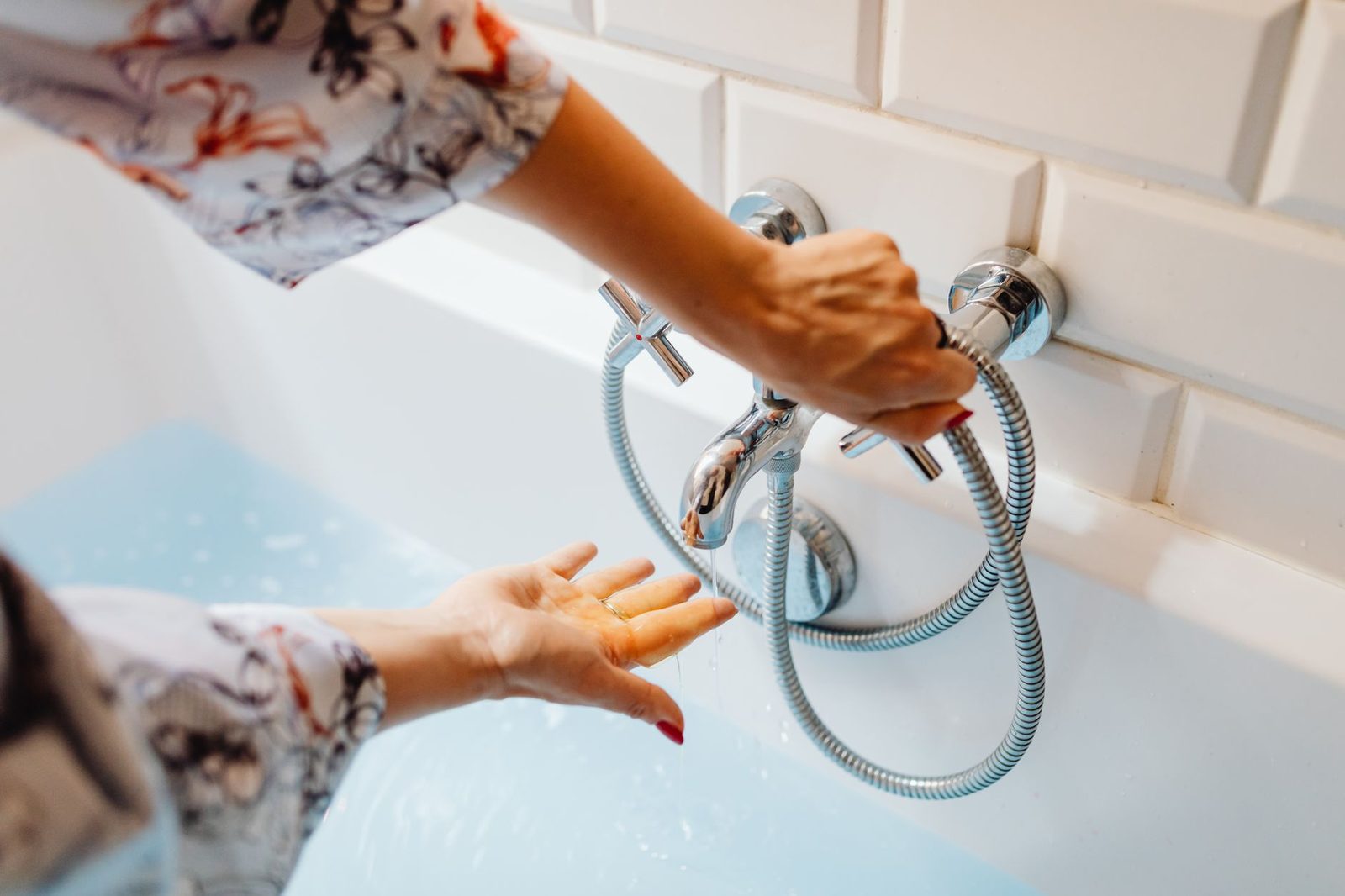
Cold water immersion is the most oversold item on the list. Research has found it is not clearly more effective than active recovery for reducing post-exercise inflammation, and there is some evidence that regularly blunting that inflammatory response may interfere with training adaptations.
Where it does look useful is a fast turnaround: a tournament with two matches in a day, where feeling better in three hours matters more than long-term adaptation. For a club player playing twice a week, it is optional at best.
08Warm-up is not recovery, but it belongs here
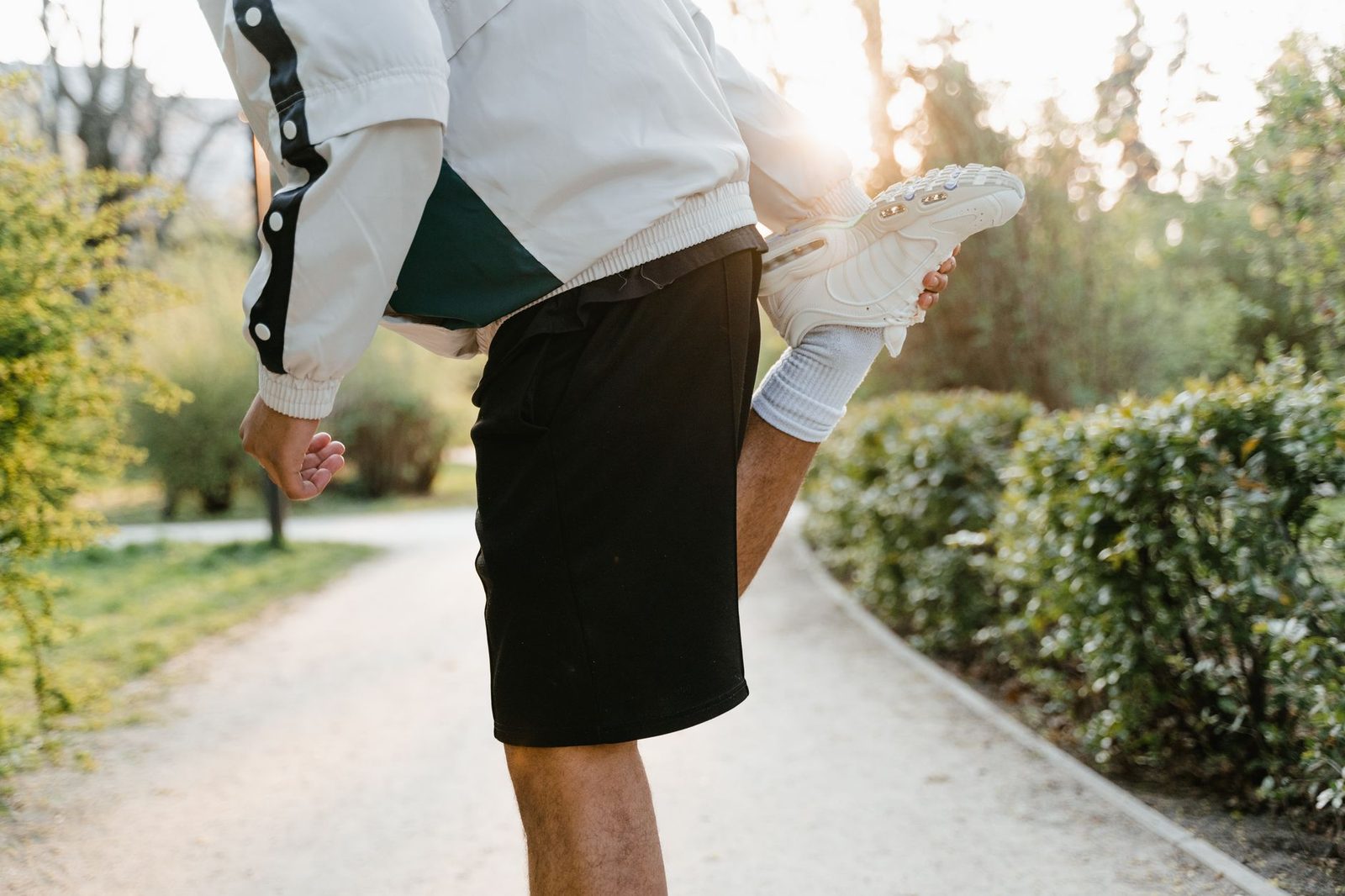
One reframe worth making: the best thing you can do for how you feel tomorrow is often to warm up properly today. Starting cold and playing hard produces most of the soreness people then try to treat afterwards.
Ten minutes of movement before you play does more than an hour of anything afterwards. The routine is in this off-court tennis fitness training.
09Recovery between matches on the same day
Tournament days and league fixtures create a different problem: you have two or three hours, not two or three days, and the usual advice does not fit.
- Start rehydrating immediately, with electrolytes rather than plain water alone.
- Eat within thirty minutes: carbohydrate first, protein alongside.
- Get out of the sun and off your feet.
- Keep moving gently rather than seizing up completely; a short walk helps.
- This is the one situation where cold water immersion has reasonable support.
The single biggest error on a multi-match day is eating nothing between matches because of nerves. You will feel it in the third set of the second match, and the practical detail is in this guide to tennis nutrition and hydration.
10Signs you are under-recovering
- Persistent heavy legs that do not improve after a rest day.
- Sleep quality dropping while training volume rises.
- Niggles that appear and then move around the body.
- Losing to players you normally beat, without a technical reason.
- Not wanting to play, when you normally do.
That last one is the most reliable signal and the most ignored. A sustained drop in motivation is usually fatigue rather than a character failing, and the answer is generally a lighter week rather than a harder one.
11Frequently asked questions
Sleep, by a wide margin. It is when most physical repair happens, and no other recovery method comes close to its effect. Everything else on the usual list is marginal by comparison.
The evidence is mixed. Studies have found cold water immersion is not clearly better than active recovery for reducing post-exercise inflammation, though it may help when you have to compete again within hours. It is optional rather than essential.
It appears to reduce the sensation of soreness, but research has not shown a clear performance benefit over simply resting. If it makes you feel better and you enjoy it, it is worth doing; it is not doing much beyond that.
Most club players do well with at least one or two genuine rest days a week, and should avoid two hard sessions back to back. Recovery capacity declines with age before playing ability does.
Light static stretching after playing is fine and many players find it comfortable. It will not prevent injury on its own, and it should not replace the dynamic warm-up before you play, which matters more.

Claire Carter
Former WTA Tour Professional & Teaching Pro
Claire Carter is a former WTA Tour professional and a full-time teaching professional at Bay Club Redwood Shores, where she has coached juniors and adults for more than twelve years.
More about ClaireImage credits: FOX ^.ᆽ.^= ∫ (Pexels), Greg Pappas (Unsplash), Kobe Kian Clata (Unsplash), MART PRODUCTION (Pexels), Tobi (Pexels), Yishen Ji (Unsplash), https://kaboompics.com/ (Pexels). Photographs are illustrative.