
Fitness
Tennis Nutrition and Hydration: What to Eat and Drink
Match-day tennis nutrition and hydration: what to eat before playing, what to drink during, how to avoid cramp and what to take on afterwards.

Jump to a section
Want to improve your game?
Private and group coaching with Claire Carter in Redwood Shores.
Book a lessonMore tennis guides
Technique, gear, fitness and match play, written from the coach’s chair.
Browse all guidesTennis is unusual among sports in that a match can last one hour or four, and you rarely know which in advance. That makes fuelling harder than it is for a fixed distance or a fixed clock.
The good news is that the basics are simple, cheap and make a noticeable difference in the third set. None of this requires supplements or a complicated regime.
General guidance for healthy adult players. If you have a medical condition or specific dietary needs, speak to a doctor or registered dietitian.
01The day before
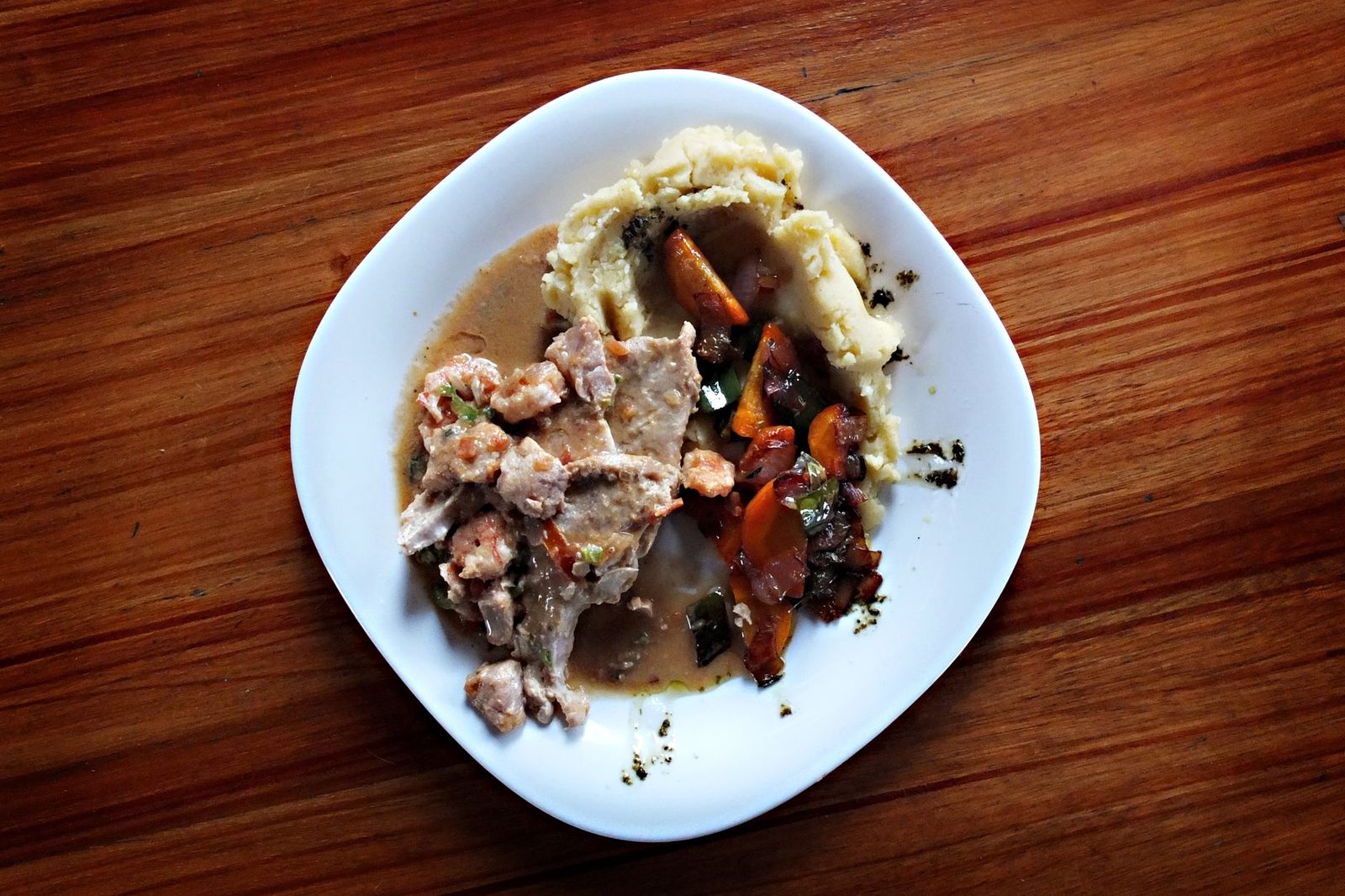
If you have a match tomorrow, the meal that matters most is tonight’s. A carbohydrate-rich dinner gives your body time to convert food into stored glycogen, which is the fuel you will actually be running on.
Start hydrating the day before as well. Many players begin matches already somewhat dehydrated, and any deficit at the start compounds through the match.
02Match-day timing
| When | What | Why |
|---|---|---|
| 2 to 4 hours before | Main meal: carbohydrate-based, moderate protein, low fat | Time to digest and top up glycogen |
| 60 to 90 min before | Small snack if needed: banana, toast, cereal bar | Tops off blood glucose without sitting heavy |
| 30 min before | Sip fluid; stop drinking large volumes | Avoids playing on a full stomach |
| During | Electrolyte drink at changeovers; food after roughly 2 hours | Maintains hydration and blood glucose |
| Within 60 min after | Carbohydrate plus protein | Recovery, especially before playing again |
Keep fat and fibre relatively low in the pre-match meal. Both slow digestion, and on-court stomach discomfort is a self-inflicted problem that is entirely avoidable.
03Hydration, in useful numbers
Tennis produces some of the highest sweat rates recorded in sport. In hot, humid conditions players have been recorded losing in the region of 2.5 to 3 litres an hour, with extremes considerably higher.
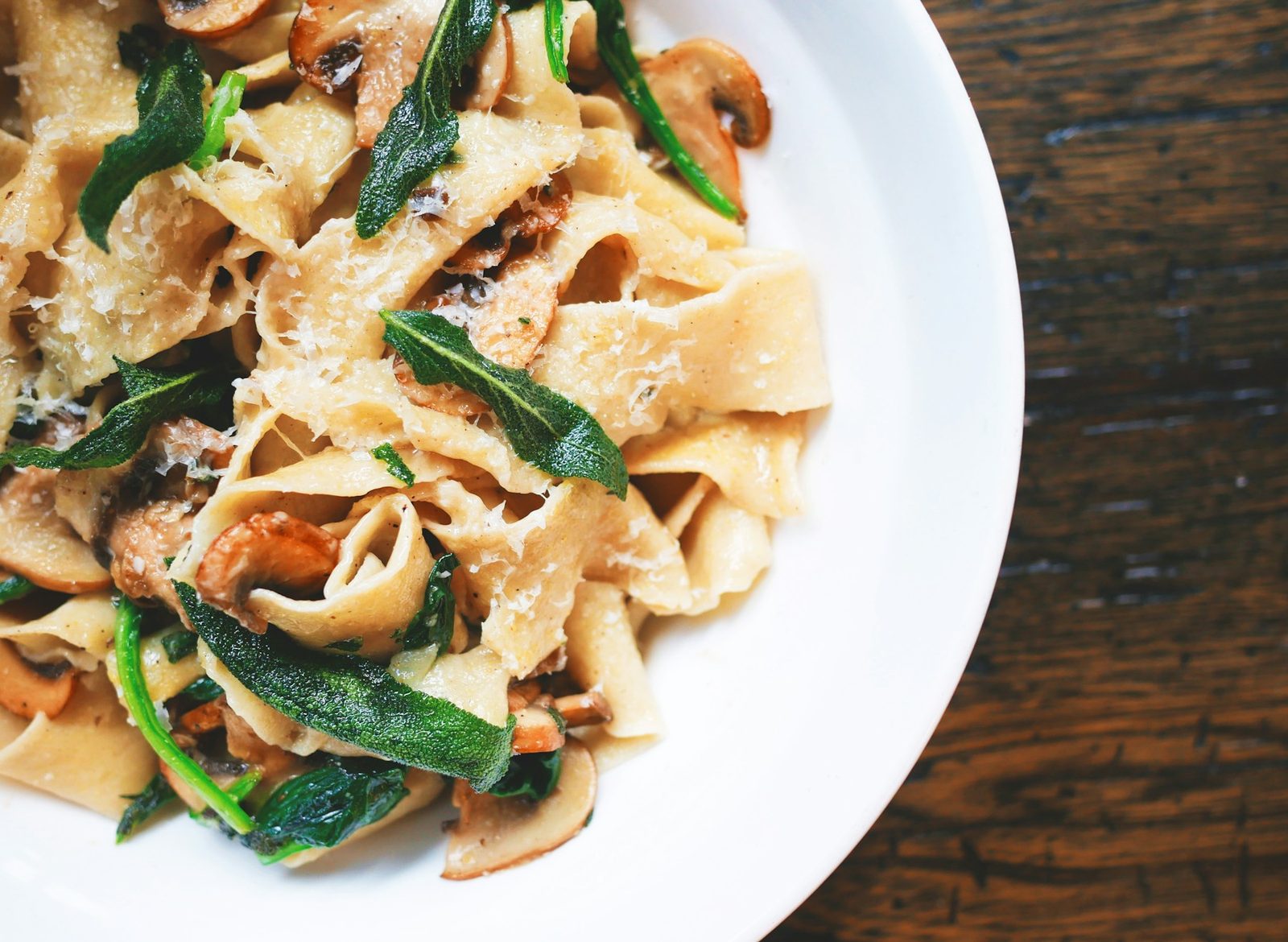
That scale of loss cannot be replaced during play, which is why arriving hydrated matters so much. During the match, the practical target is regular small amounts rather than occasional large ones: roughly 200ml of an electrolyte-containing fluid at each changeover is a common recommendation, adjusted for conditions.
- Drink at every changeover whether or not you feel thirsty.
- Thirst lags behind the deficit; by the time you notice, you are behind.
- Plain water alone is not ideal over long matches, because you lose salt too.
- Check your urine colour afterwards. Pale yellow is the target.
04Why players cramp, and what helps
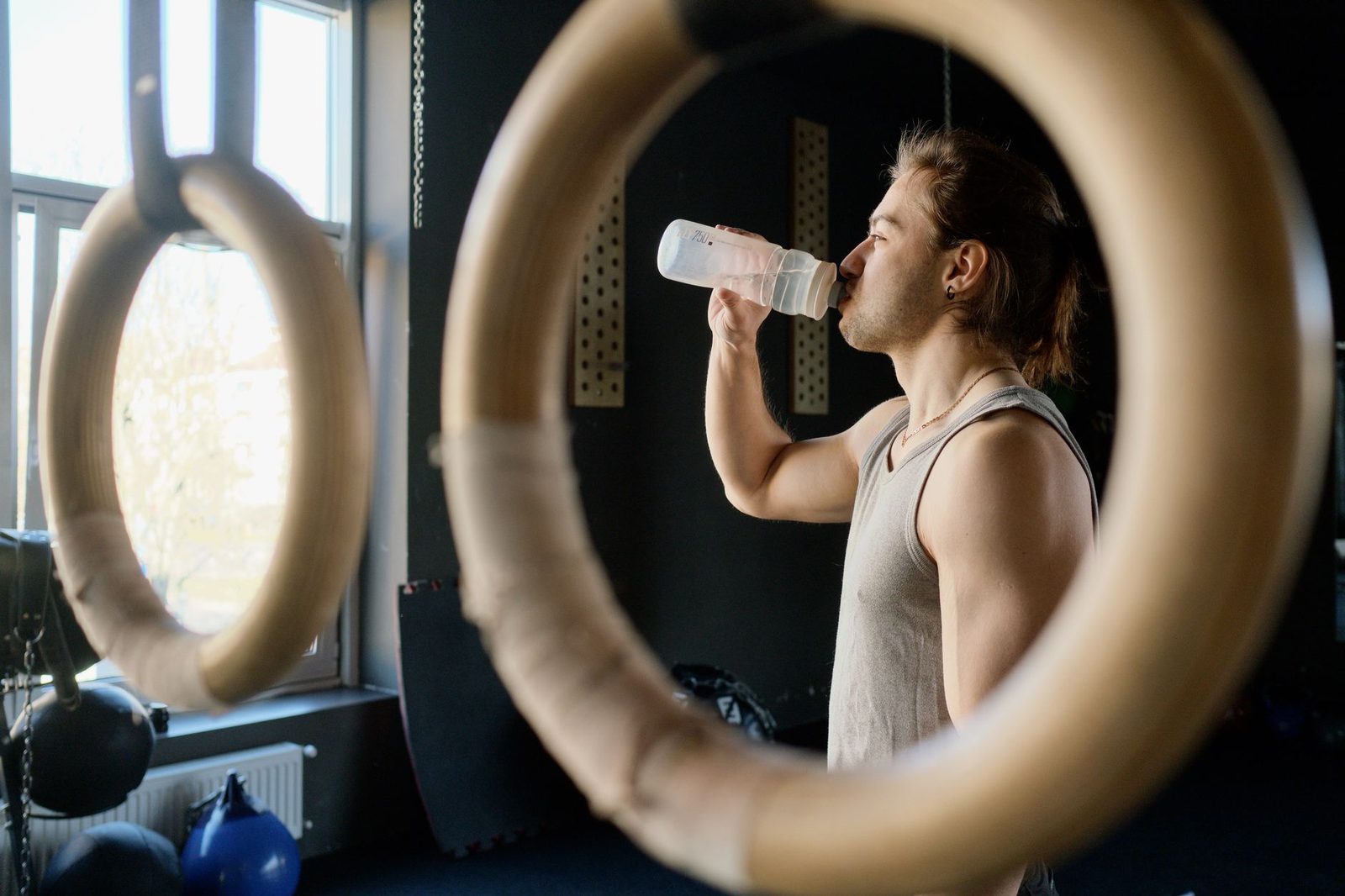
Cramp in hot conditions is commonly linked to substantial sodium and chloride loss through sweat, compounded by fatigue. Some players are notably salty sweaters, which you can often see as white residue on a dark shirt after a match.
| Risk factor | What helps |
|---|---|
| Heavy, salty sweating | Electrolyte drinks with meaningful sodium content |
| Starting dehydrated | Hydrate the day before, not just on the day |
| Long matches beyond 2 hours | Carbohydrate intake during play |
| Poor match fitness | Conditioning work; see off-court training |
| Very hot conditions | Shorten points; use every changeover |
Conditioning matters as much as what is in the bottle. Fatigue is a large part of the picture, which is why this pairs with off-court tennis fitness training and with the heat tactics in playing in wind, heat and difficult conditions.
05Eating during a long match
Past about the two-hour mark, hydration alone is not enough. Aim for roughly 30 to 60 grams of carbohydrate per hour, from something that digests easily and that you have tried before.
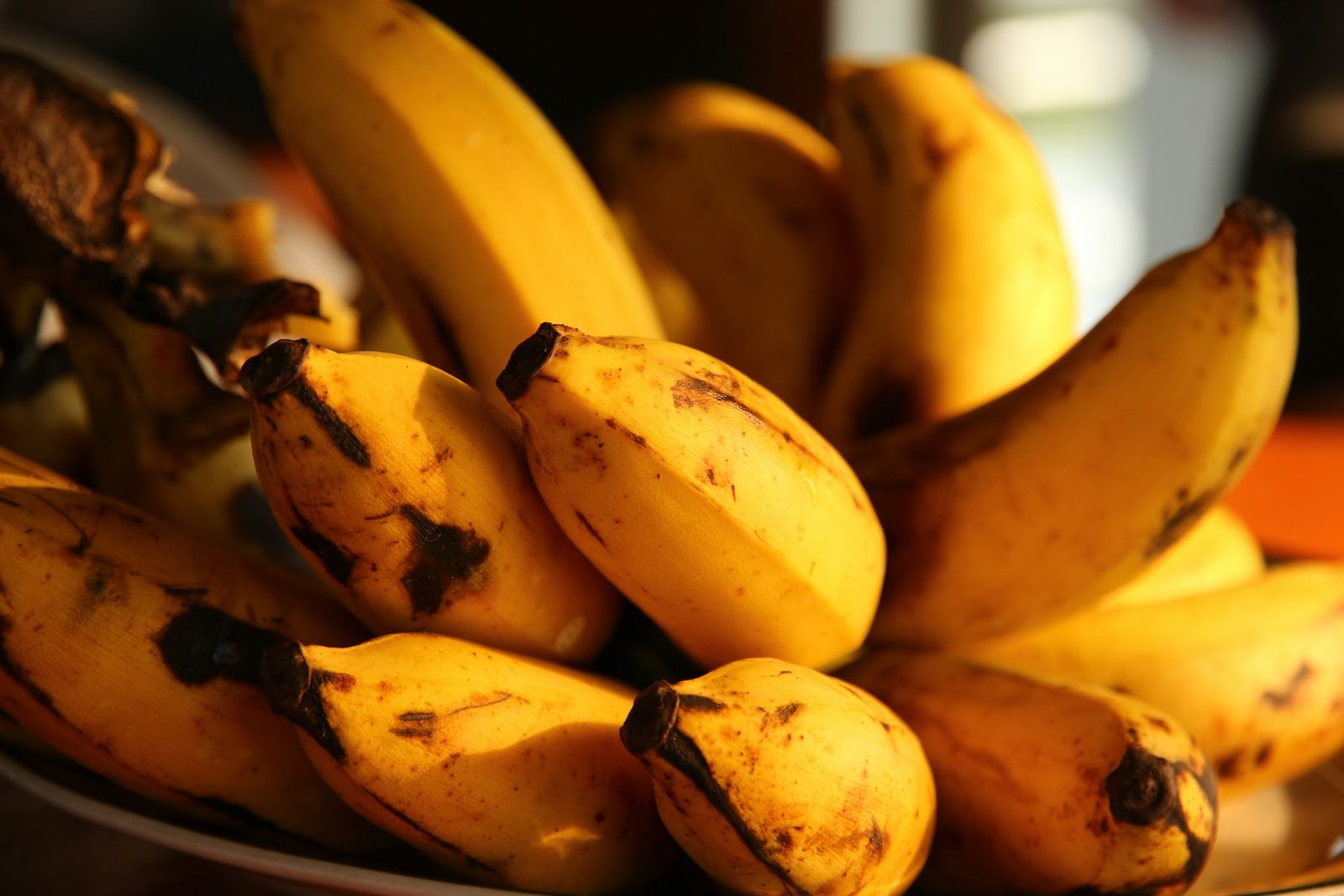
- A banana is the classic for good reason: portable, digestible, useful.
- Sports drinks at a moderate carbohydrate concentration deliver fluid and fuel together.
- Energy gels work but are easy to overdo; follow them with fluid.
- Never try something new on match day. Test everything in practice first.
06Recovery afterwards
This sits inside the wider recovery picture, covered in this tennis recovery guide. Recovery nutrition matters most when you are playing again soon, which for tournament players means tomorrow and sometimes later the same day.
- Within roughly an hour, take on carbohydrate to restore glycogen.
- Include protein to support muscle repair.
- Keep drinking steadily until your urine runs pale.
- Replace salt if you sweated heavily; a normal meal usually handles this.
- Eat a proper meal within a few hours; the snack is a bridge, not the solution.
For a more detailed evidence-based treatment of fuelling and sweat rates in tennis specifically, Precision Hydration publishes tennis-specific recommendations.

07Everyday eating, not just match day
Match-day nutrition only works if the foundation underneath it is reasonable. You cannot fuel a match properly on the morning of it if you have been running on empty all week.
- Eat enough overall. Under-fuelling is more common among active adults than over-fuelling, and it shows up as fatigue in the third set.
- Get carbohydrate in around training days; that is what refills glycogen.
- Spread protein across the day rather than loading it into one meal.
- Hydrate consistently, not only when you are about to play.
- Do not skip meals before evening tennis, which is when most club players actually play.
None of this is exotic and none of it needs supplements. Consistency across the week does considerably more than anything you consume in the hour before a match.
08What to pack
| Item | Purpose |
|---|---|
| Two bottles: one water, one electrolyte | Lets you vary intake by conditions |
| A banana and a cereal bar | Carbohydrate for a long match |
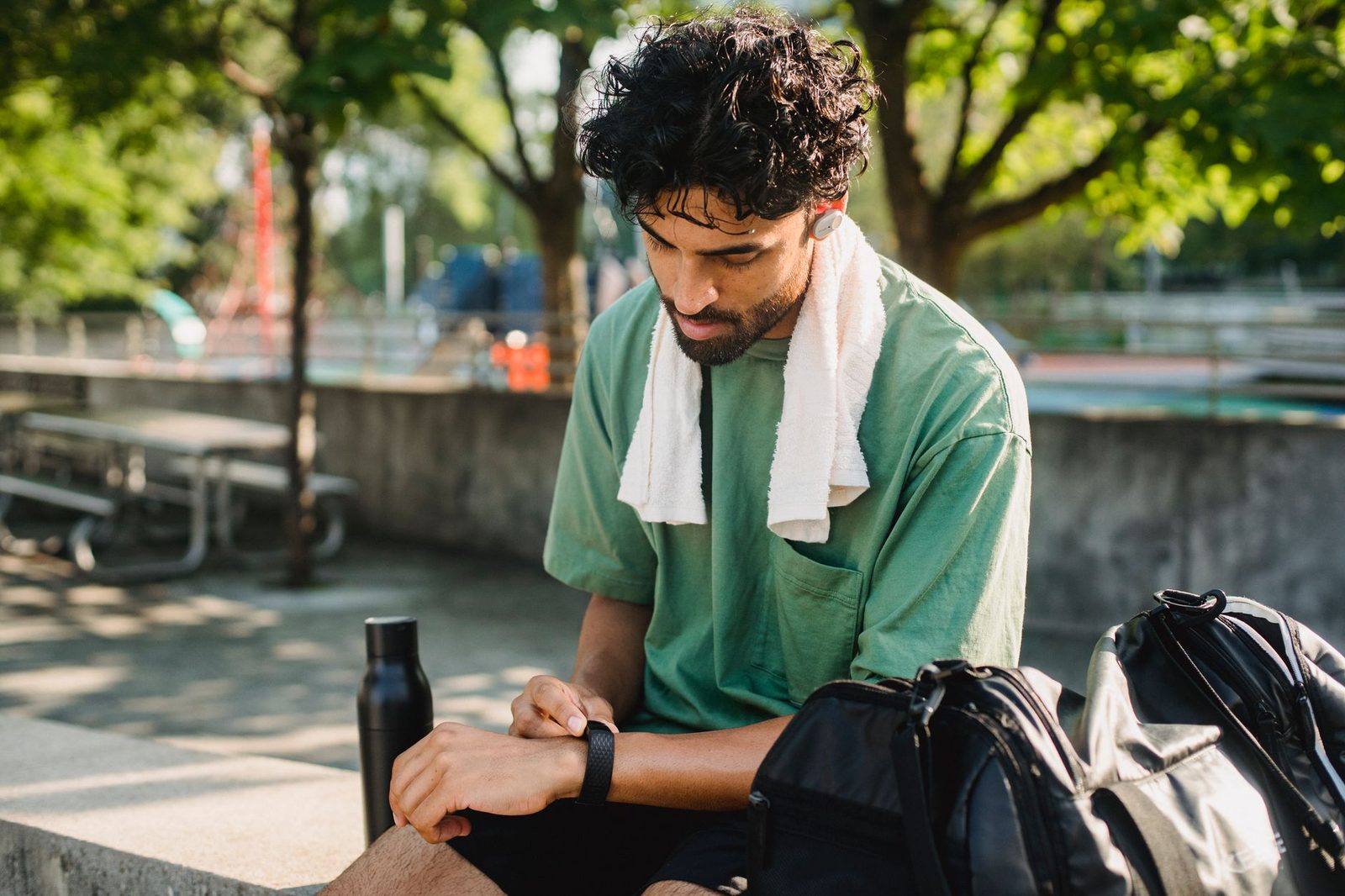
| A small towel | Comfort, and cooling at changeovers in heat |
| A cap | More effective than sunglasses for most players |
| A recovery snack | So the post-match window is not missed |
09The short version
Eat a carbohydrate meal two to four hours before. Arrive hydrated. Drink an electrolyte fluid at every changeover. Eat something after two hours. Refuel within the hour afterwards.
That is genuinely most of it, and it will make more difference to your third set than any supplement. Juniors playing multi-match tournament days benefit most of all, which is worth planning for as part of the junior tennis pathway in Northern California. And if you want the physical side built properly alongside it, a private lesson in Redwood Shores covers tennis-specific fitness.
10Frequently asked questions
A carbohydrate-based meal two to four hours before you play, then a small snack closer to the start if needed. Keep fat and fibre relatively low in that meal, since both slow digestion and can cause discomfort on court.
An electrolyte-containing drink rather than plain water alone, taken in small amounts at every changeover. A common guideline is around 200ml per changeover, adjusted for heat and your own sweat rate.
Cramping in hot conditions is commonly associated with losing significant sodium through sweat, alongside fatigue. Replacing sodium as well as fluid, and building match-specific fitness, both reduce the likelihood.
For matches beyond about two hours, yes. Aim for roughly 30 to 60 grams of carbohydrate per hour from something easy to digest, such as a banana, a gel or a sports drink.
Within about an hour, take on carbohydrate to restore glycogen and protein to support recovery, then keep drinking until your urine runs pale. This matters most when you are playing again the next day, as in a tournament.

Claire Carter
Former WTA Tour Professional & Teaching Pro
Claire Carter is a former WTA Tour professional and a full-time teaching professional at Bay Club Redwood Shores, where she has coached juniors and adults for more than twelve years.
More about ClaireImage credits: DΛVΞ GΛRCIΛ (Pexels), Eaters Collective (Unsplash), Elena Leya (Unsplash), Fabrizio Frigeni (Unsplash), Ivan S (Pexels), Ketut Subiyanto (Pexels), Lara Jameson (Pexels). Photographs are illustrative.