
Fitness
Tennis Elbow: Causes, Prevention and Getting Back on Court
What causes tennis elbow, how to reduce your risk through technique and equipment, and how players typically return to court. Not medical advice.

Jump to a section
Want to improve your game?
Private and group coaching with Claire Carter in Redwood Shores.
Book a lessonMore tennis guides
Technique, gear, fitness and match play, written from the coach’s chair.
Browse all guidesTennis elbow is the most common arm complaint in club tennis, and it is also widely misunderstood. It is not caused by playing tennis as such; it is caused by repeated loading of the forearm tendons, which tennis happens to be quite good at producing.
This article is general information for players, not medical advice. If you have elbow pain, see a doctor or physiotherapist for diagnosis and a treatment plan. Nothing here replaces that.
01What it actually is
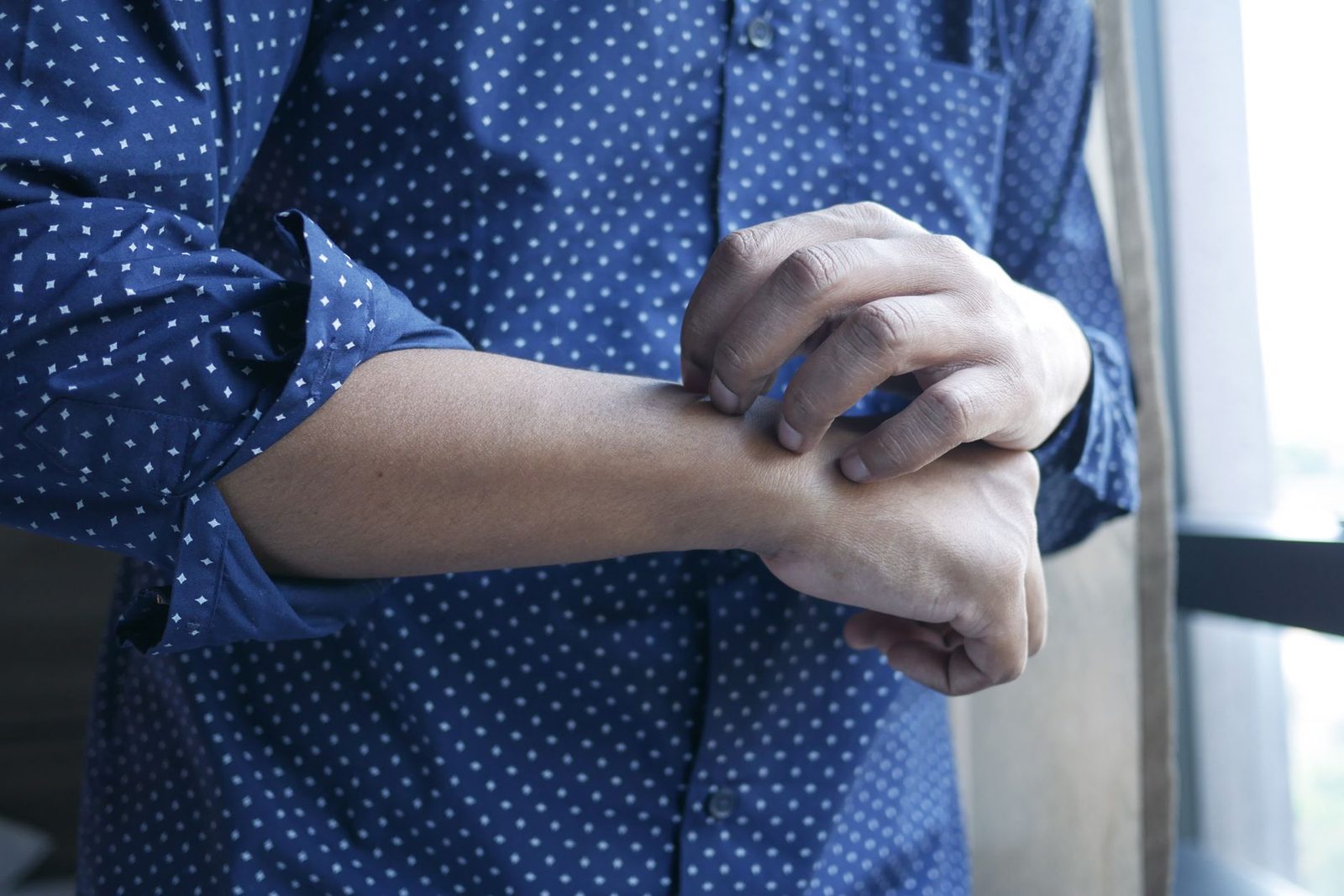
The clinical name is lateral epicondylitis. The tendons that extend your wrist attach to a bony point on the outside of the elbow, and repeated loaded gripping and wrist extension gradually produces microscopic tearing at that attachment.
Two things surprise most players. First, it is often not an acute injury but a slow accumulation. Second, the overwhelming majority of cases occur in people who have never played tennis, arising instead from work involving repetitive gripping. The American Academy of Orthopaedic Surgeons maintains a detailed patient guide.
02Why tennis players get it
| Factor | Why it loads the tendon | What helps |
|---|---|---|
| Late backhand contact | Wrist absorbs impact instead of the body | Turn earlier; hit in front |
| Leading with the elbow | Forearm takes the force alone | Rotate the body through the shot |
| Over-gripping | Constant tension through the extensors | Relax to about 4/10 except at contact |
| Stiff strings at high tension | More shock transmitted up the arm | Softer string, lower tension |
| Grip too small | Encourages squeezing | Correct grip size, or add an overgrip |
| Sudden increase in play | Load outpaces tissue adaptation | Build volume gradually |
The technique items are the ones worth taking seriously, because equipment changes reduce load at the margin while a fundamentally sound stroke reduces it at source. A late, arm-driven backhand is the classic culprit, and the body-driven alternative is described in this two-handed backhand technique guide.
03Equipment that reduces load
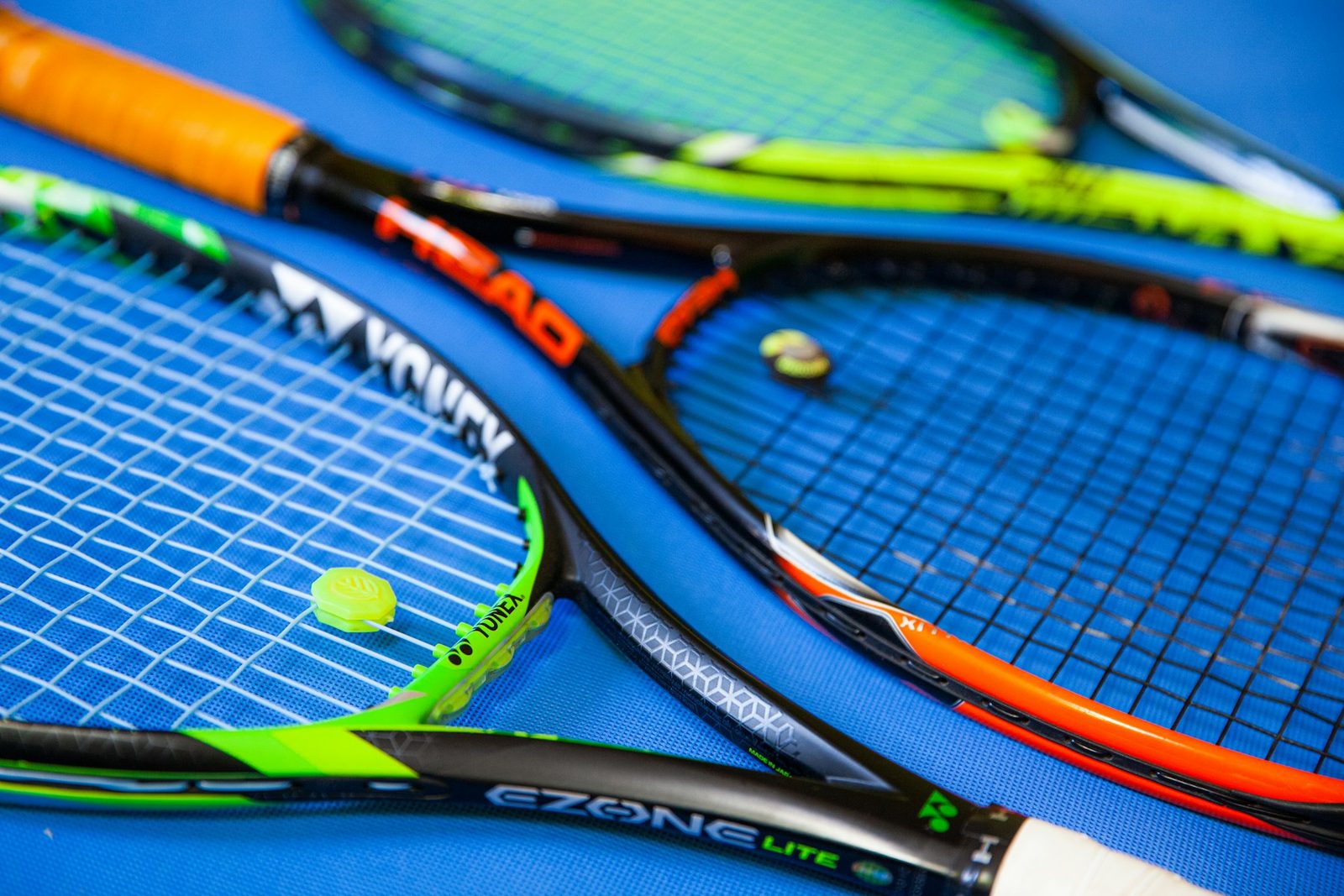
- Softer frame. A more flexible racquet transmits less shock.
- Lower string tension. Reducing by a few pounds noticeably softens impact.
- Avoid stiff polyester. If you have had elbow trouble, a multifilament or synthetic gut is a kinder choice.
- Correct grip size. Too small is worse than too large.
- Fresh strings. Dead strings lose resilience and transmit more shock.
The specifications behind all of this are covered in more detail in this guide to choosing a tennis racquet and strings, including how tension and string type change the feel through the arm.
04Managing your weekly load
Tendons adapt to load, but slowly, and they respond badly to sudden increases. Most tennis elbow in club players appears not after one bad session but after a step change: a new league, a tournament week, a holiday of daily tennis.
| Pattern | Risk | Better approach |
|---|---|---|
| Nothing all winter, then four sessions a week in spring | High | Rebuild volume over several weeks |
| A tournament with three matches in a day | High | Prepare with multi-match practice days first |
| Steady two or three sessions weekly | Low | Maintain year-round where you can |
| Long sessions of serve practice | Moderate | Split the volume across days |
The general principle is to raise weekly volume gradually rather than in jumps, and to treat a sharp rise in playing hours the way a runner would treat a sharp rise in mileage.
05Strengthening the forearm
Stronger tendons tolerate more load. Forearm work is unglamorous and it is one of the better-evidenced preventive measures available, but it should be introduced sensibly and, if you are currently in pain, on professional advice.
- Wrist extension. Forearm supported, palm down, lift a light weight slowly and lower even more slowly.
- Wrist flexion. The same, palm up, to keep the forearm balanced.
- Forearm rotation. Hold a light weight or hammer and rotate palm-up to palm-down under control.
- Grip work. Squeeze a soft ball for repetitions rather than maximum force.
- Shoulder and upper back. The shoulder has its own version of this problem, covered in tennis shoulder pain and prevention. A weak shoulder makes the forearm work harder, which is why this pairs with off-court fitness training for tennis.
The slow lowering phase is the part that matters most for tendons. Rushing it wastes the exercise.
06Braces and supports
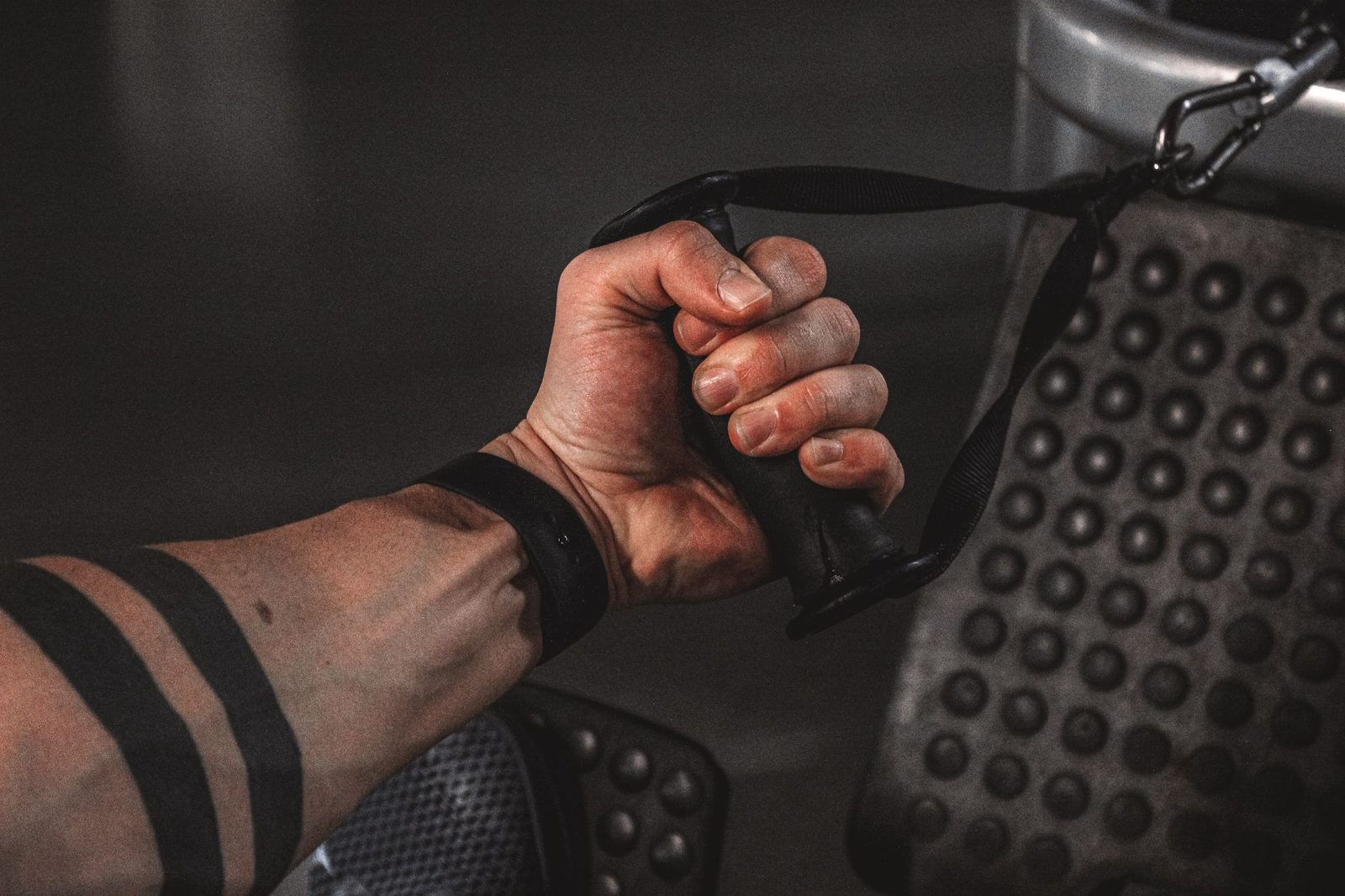
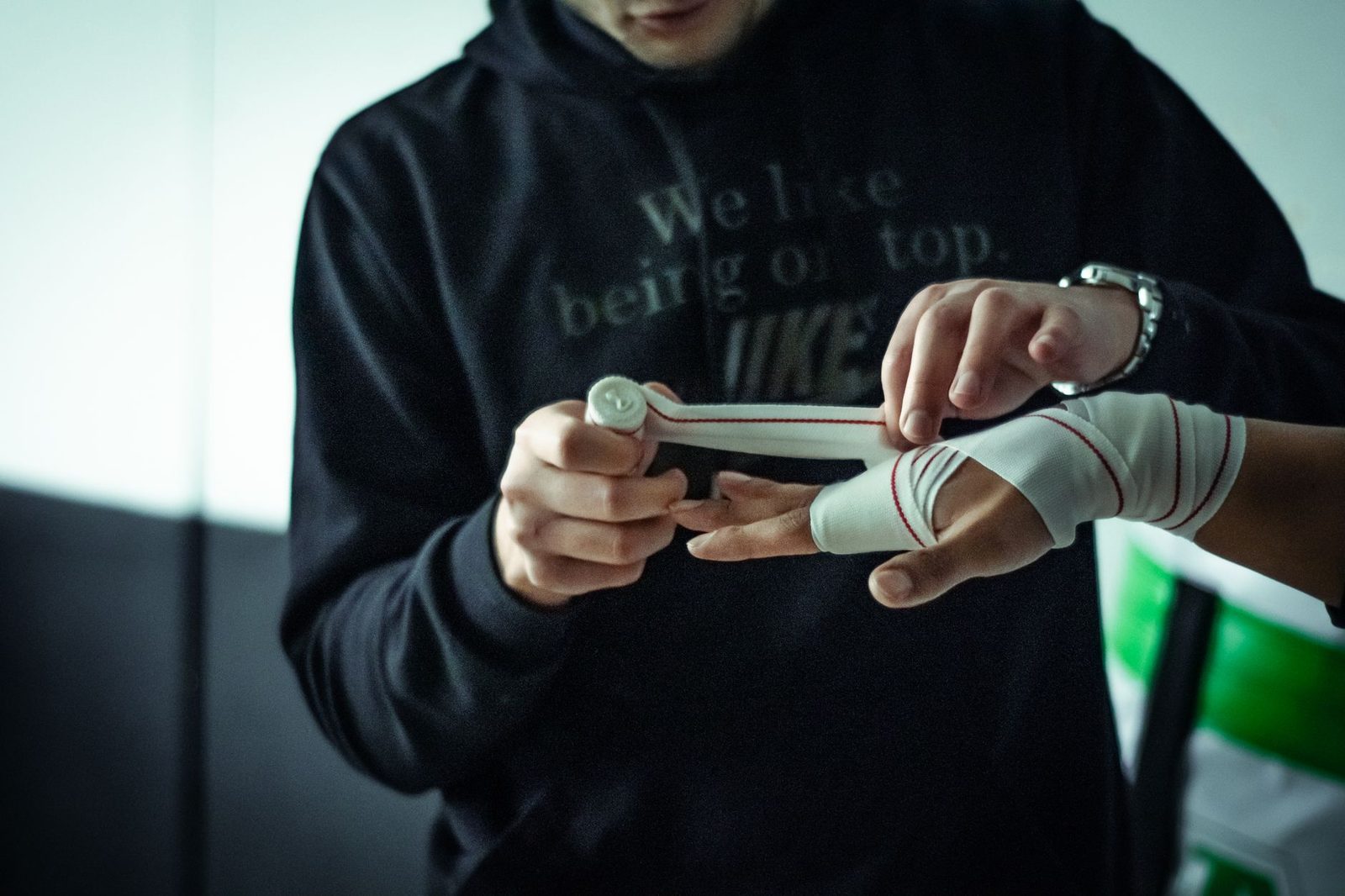
A counterforce strap worn just below the elbow changes where force is transmitted through the tendon, and many players find it helps them play more comfortably. It manages the symptom rather than resolving the cause.
Used as part of a plan alongside load management and rehabilitation, it is useful. Used as a way to keep playing at full volume while ignoring the problem, it tends to extend the timeline.
07If you already have it
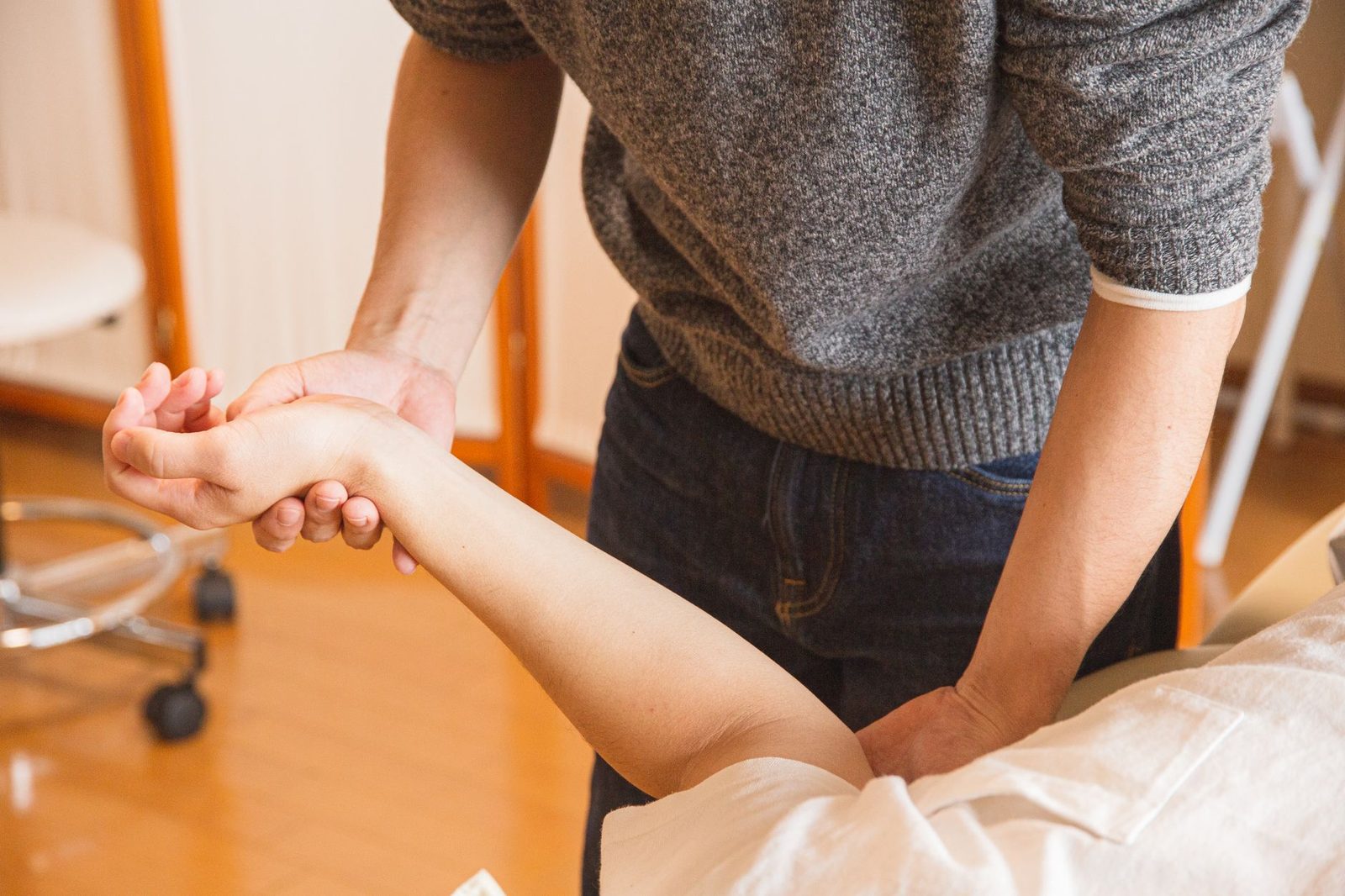
The single most important thing is to get it properly assessed. Elbow pain has several possible causes and the treatment differs, so self-diagnosis from an article, including this one, is not a good plan.
What players consistently report, and what the clinical literature reflects, is that most cases resolve without surgery over a period of months, and that continuing to play through significant pain is the reliable way to make it last longer. Reducing load early is usually faster than pushing through.
08Returning to court
Return should be graded, and the specifics belong to whoever is treating you. As a general shape, players tend to rebuild volume before intensity.
| Stage | Typical activity | Watch for |
|---|---|---|
| Early | Rehabilitation exercises only | Pain that lingers after loading |
| Next | Short, gentle rallies; no serving | Any return of sharp pain |
| Then | Longer rallies; light serving | Next-day soreness |
| Later | Full practice, building intensity | Technique breaking down when tired |
| Finally | Match play | Managing weekly load, not just single sessions |
Use the time productively. Footwork, fitness and tactical work all continue without loading the arm, and these tennis footwork drills require no racquet at all.
If your stroke mechanics contributed to the problem, addressing them before you return is what stops it recurring. That is worth a conversation with a coach, and a private lesson in Redwood Shores is a reasonable place to start once you have medical clearance.
09Frequently asked questions
Repetitive strain on the tendons that attach to the outside of the elbow, typically from loaded, repeated gripping and wrist extension. Over time this produces microscopic tearing where the tendon meets the bone. Despite the name, most cases occur in people who do not play tennis.
Many cases improve with a period of load reduction and rehabilitation, and surgery is rarely required. Recovery is usually measured in months rather than weeks, which is why continuing to play through it tends to prolong the problem.
It can reduce load. A softer, more flexible frame, a lower string tension and a multifilament rather than a stiff polyester string all reduce shock through the arm. Grip size matters too, since a grip that is too small encourages over-gripping.
Frequently, yes. A late backhand hit with a leading elbow and a stiff wrist loads the forearm tendons heavily. Players who hit their backhand with the body rather than the arm put far less strain through the elbow.
That is a question for the clinician treating you, because it depends on the severity and how the tendon responds to loading. In general terms, players return gradually: short, low-intensity sessions first, building volume before intensity.
Claire Carter
Former WTA Tour Professional & Teaching Pro
Claire Carter is a former WTA Tour professional and a full-time teaching professional at Bay Club Redwood Shores, where she has coached juniors and adults for more than twelve years.
More about ClaireImage credits: Alicja Gancarz (Unsplash), Doğu Tuncer (Pexels), Gera Cejas (Pexels), Kari Alfonso (Pexels), Ryutaro Tsukata (Pexels), Stephanie Allen (Pexels), Towfiqu barbhuiya (Pexels). Photographs are illustrative.