
Tennis Tips
The Tennis Drop Shot: Technique, Disguise and Drills
How to hit a tennis drop shot: continental grip, the cupping motion, disguise, and exactly when to use it — plus when it is the wrong choice.

Jump to a section
Want to improve your game?
Private and group coaching with Claire Carter in Redwood Shores.
Book a lessonMore tennis guides
Technique, gear, fitness and match play, written from the coach’s chair.
Browse all guidesThe drop shot is the most satisfying shot in tennis and the most frequently misused. Played at the right moment it is close to unanswerable. Played at the wrong one it hands your opponent a free point and makes you look foolish doing it.
The difference is almost entirely about selection and disguise rather than touch. Most club players can hit a passable drop shot; far fewer know when to.
01The technique
A drop shot is a slice with the pace removed. Continental grip, short backswing, and a cupping motion where the racquet travels under and slightly across the ball to generate backspin. That backspin is what makes the ball stop rather than sit up.
- Continental grip, the same as your volley and slice.
- Short preparation. A long backswing telegraphs the shot and adds unwanted pace.
- Soften the grip pressure just before contact. This is the whole shot.
- Cut under and slightly across the ball rather than driving through it.
- Short follow-through. Let the racquet decelerate naturally.
- Move forward immediately.
The single most common technical error is too much racquet speed. You are trying to absorb the incoming pace, not add to it. If your drop shots keep bouncing up invitingly, slow the hand down before changing anything else.
02Disguise is the whole shot
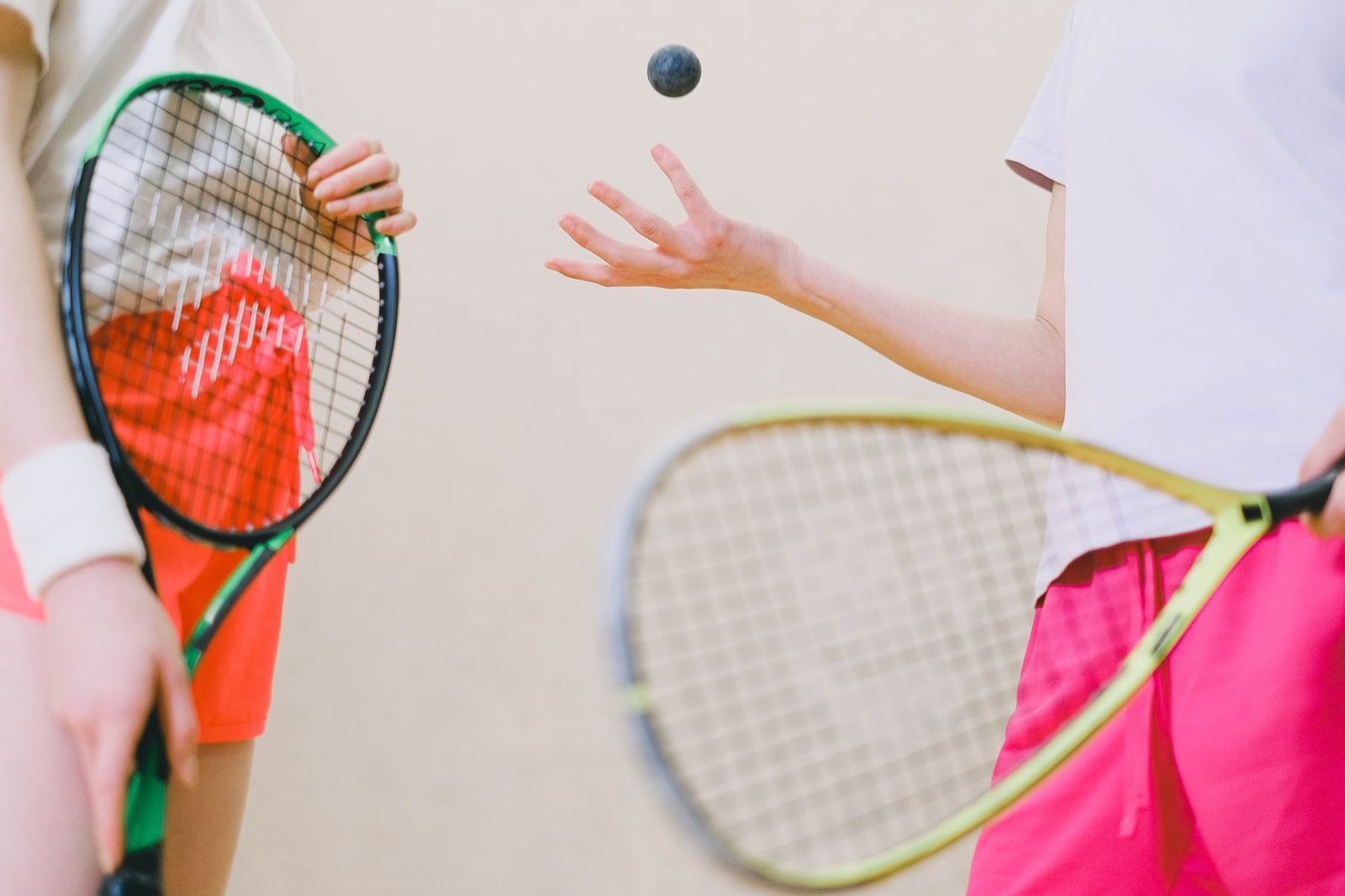
A drop shot that your opponent reads is not a drop shot. It is a short ball, delivered politely to someone who is already running.
The preparation must look identical to your normal shot from that position. Same shoulder turn, same take-back, same body language. The change happens in the last fraction of a second, when you soften the hand and alter the racquet path.
This is why the slice is such a natural partner to the drop shot: the preparation is already the same, so an opponent who has seen you slice repeatedly has no way of knowing which is coming. The underlying motion is covered in this slice backhand technique guide.
03When to hit it, and when not to
| Situation | Play it? | Why |
|---|---|---|
| Opponent well behind the baseline | Yes | Maximum distance for them to cover |
| You are inside the baseline | Yes | Short distance; more margin |
| Opponent pulled wide and recovering | Yes | They are moving the wrong way |
| Into a headwind | Yes | The wind holds the ball up short |
| You are behind your own baseline | No | Too far; they will reach it comfortably |
| Opponent is already at the net | No | You are dropping it at their feet |
| On an important point, untested | No | Not the moment to try something new |
| Opponent is a fast mover | Rarely | Save it; use it once, late, as a surprise |
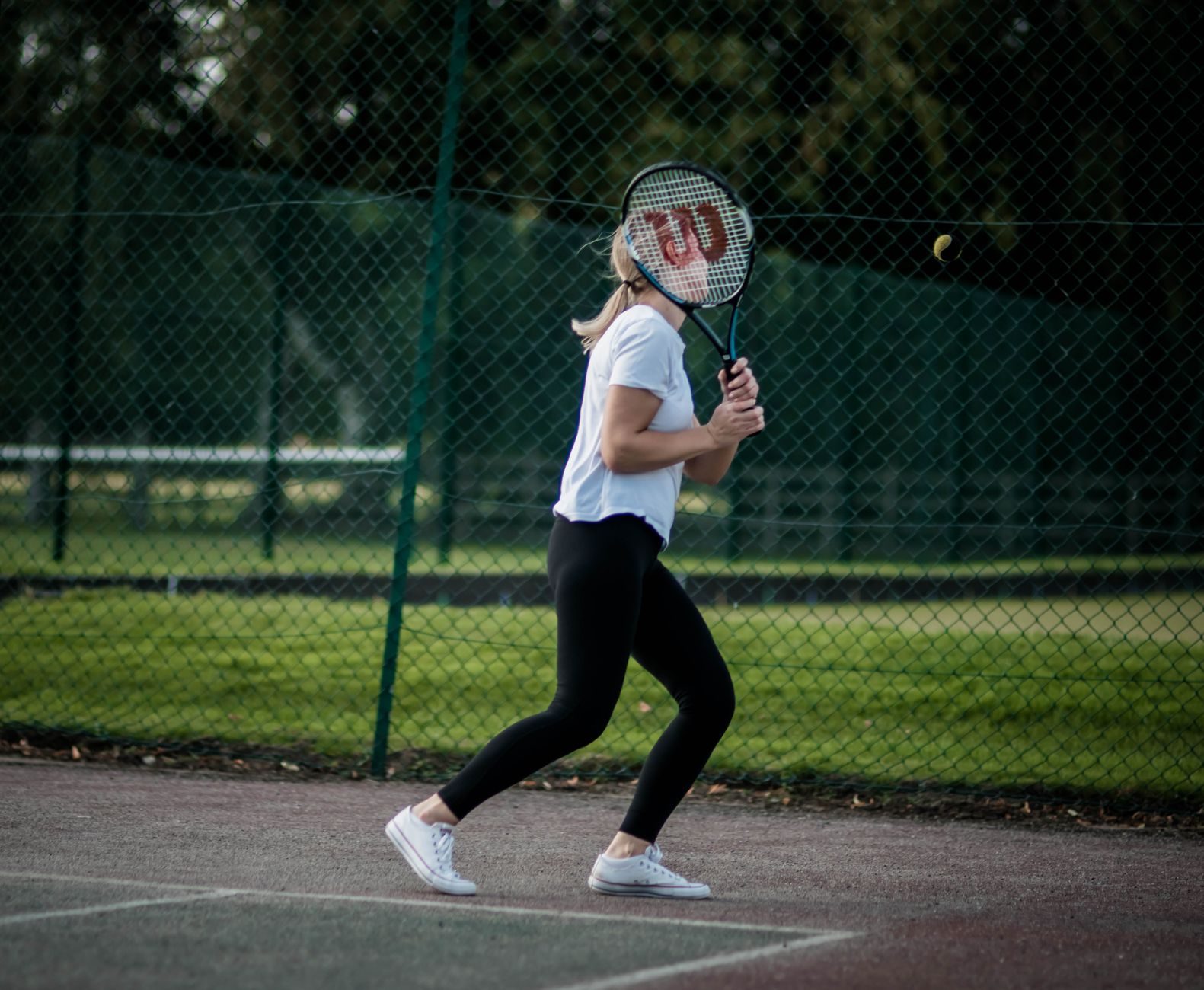
The pattern to internalise: a drop shot is a reward for work you have already done. Push your opponent deep first, then drop. Dropping from a neutral position against a balanced opponent is a low-percentage gamble.
04Surface matters
| Surface | Effect | Verdict |
|---|---|---|
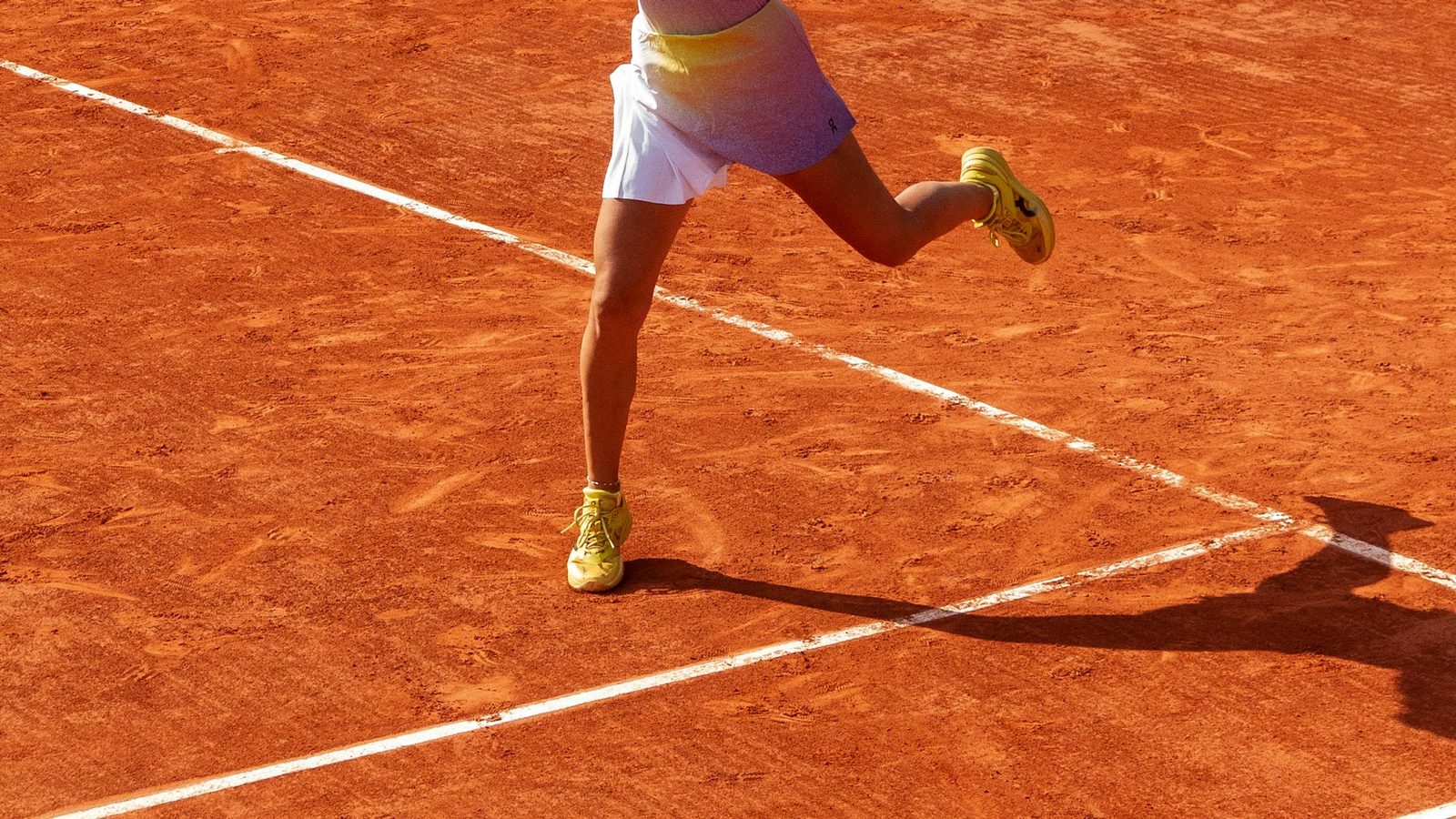
| Clay | Backspin bites; ball dies quickly | Highly effective |
| Slow hard court | Reasonable grip; ball sits down | Effective |
| Fast hard court | Ball skids on and sits up | Use sparingly |
| Grass | Low skidding bounce | Effective but hard to control |
| Cold, damp conditions | Ball is heavy and dies anyway | Very effective |
Conditions matter as much as surface here, and the wind case is worth remembering: into a headwind the drop shot becomes disproportionately good, as covered in playing in wind, heat and difficult conditions.
05Follow it in
Hitting a drop shot and staying at the baseline is the most common tactical error with this shot. If the drop is good, the reply will be short and weak, and you need to be at the net to punish it. If the drop is only adequate, you need to be there even more.
So the drop shot is really a two-shot pattern: the drop, then the volley. Which means your net game determines how much value you get from it, and these tennis volley drills are the other half of the skill.
06The drop shot in doubles
Doubles changes the calculation entirely. With two opponents on court, one of them is often already at the net, which removes the shot completely. But against a team playing two back, a drop shot is close to a free point.
- Against two back, drop short and away from the closer player.
- Never drop when either opponent is inside the service line.
- The angled drop, played crosscourt and short, is the highest-percentage version.
- Tell your partner. A drop shot commits both of you to move forward.
The positional context for all of that is in this guide to doubles court positioning.
07Three drills
1. Short-court touch
Stand inside the service line with a partner and rally softly, both of you keeping the ball inside the service boxes. Ten minutes. This is the foundation of every touch shot and it builds feel faster than hitting drop shots directly.
2. Two deep, one drop
A partner feeds medium-paced balls. Hit two deep groundstrokes, then a disguised drop on the third. Follow every drop to the net. Eight repetitions. This builds the pattern rather than the isolated shot.
3. Target cones
Place two cones just inside the service line on each side. Drop shot to a cone from a feed, ten each side. Accuracy matters more than delicacy; a drop shot that lands mid-court is worse than no drop shot at all.
For an additional perspective on shot selection, Let’s Go Tennis covers the strategy side in more detail. And remember the drop shot is a variation, not a plan: the point construction that creates the opportunity is set out in singles strategy and point construction.
08Frequently asked questions
The continental grip, the same one you use for volleys and the serve. It lets you open the racquet face and cut under the ball to produce the backspin that makes the ball sit down after it lands.
Keep your shoulder turn and racquet preparation identical to your normal slice or rally ball. Only in the last moment do you soften the grip and change the racquet path to carve under the ball. A drop shot without disguise is simply a short ball.
When your opponent is behind the baseline or out of position, when you are inside the baseline yourself, and when the surface will let the backspin bite. It is an opportunist’s shot, not a rescue shot.
Usually too much racquet speed or too little backspin. The drop shot is about absorbing pace, not adding it. Soften the hand at contact and cut under the ball rather than driving through it.
Almost always. If the drop shot is good, your opponent’s reply will be short and you want to be there. If it is only adequate, you still need to be forward to cover the reply. Standing and admiring it is how good drop shots become lost points.

Claire Carter
Former WTA Tour Professional & Teaching Pro
Claire Carter is a former WTA Tour professional and a full-time teaching professional at Bay Club Redwood Shores, where she has coached juniors and adults for more than twelve years.
More about ClaireImage credits: Aleksandr Galichkin (Unsplash), Artem Podrez (Pexels), SHVETS production (Pexels), Sebastian Angarita (Pexels), Tim Chow (Unsplash), Zenith (Pexels). Photographs are illustrative.