
Backhand
The Slice Backhand: Technique, Uses and Drills
How to hit a slice backhand: continental grip, high-to-low swing path, open racquet face, plus when to use it tactically and three drills to groove it.

Jump to a section
Want to improve your game?
Private and group coaching with Claire Carter in Redwood Shores.
Book a lessonMore tennis guides
Technique, gear, fitness and match play, written from the coach’s chair.
Browse all guidesThe slice backhand is the most useful shot most club players never properly learn. It handles pace, it changes rhythm, it approaches the net, and it turns awkward shoulder-height balls into something manageable.
It is also the shot most commonly hit badly. The drive version of the backhand is a separate stroke with separate mechanics, covered in this two-handed backhand technique guide. A floating slice that sits up invitingly is worse than no slice at all, and the cause is almost always the grip or the swing path rather than a lack of feel.
01The grip
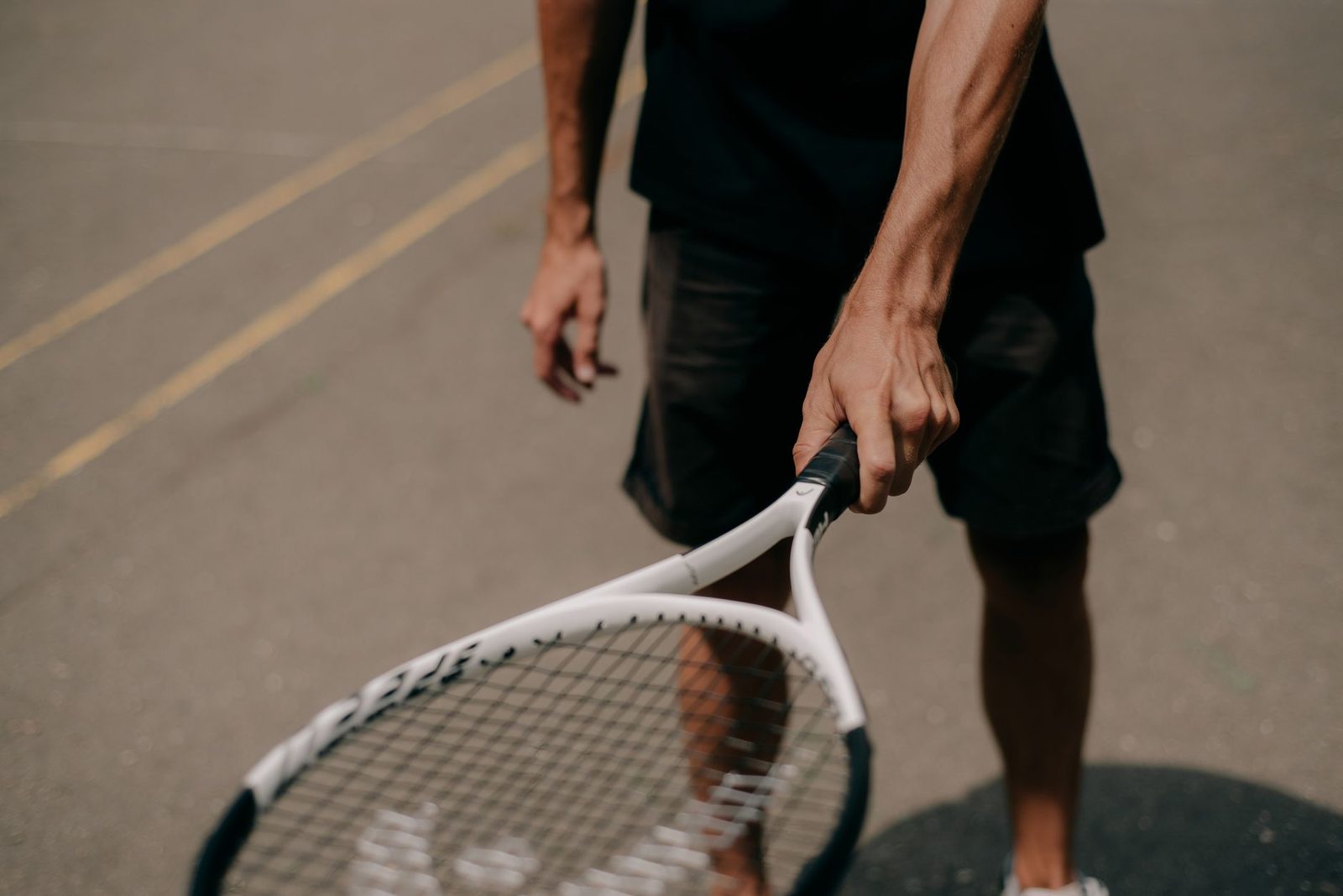
Continental, with the base knuckle of your index finger on the second bevel. This is the same grip you use for the serve and the volley, which is convenient because it means no grip change when you are moving forward.
The common error is slicing with an eastern backhand grip. It feels more natural and it produces a flat, floating ball with no bite. If your slice sits up, check the grip before you change anything else.
02The swing path
Start with the racquet high, above the level of the incoming ball, and swing down and forward on roughly a forty-five degree angle. The racquet face stays slightly open at contact, around ten to fifteen degrees.
The word that matters is forward. Slicing downward alone produces backspin with no penetration, which is exactly the floating ball you are trying to avoid. Think of driving the racquet through the back of the ball toward your target and letting the open face create the spin.
| Checkpoint | What it should look like | Common error |
|---|---|---|
| Grip | Continental, relaxed | Eastern backhand, producing a flat float |
| Preparation | Racquet high, shoulders turned early | Late turn, racquet at ball height |
| Swing path | High to low and forward, about 45 degrees | Straight down, chopping |
| Face angle | Slightly open, 10 to 15 degrees | Wide open, so the ball balloons |
| Finish | Extended toward the target | Wrapping across the body |
03When to use it
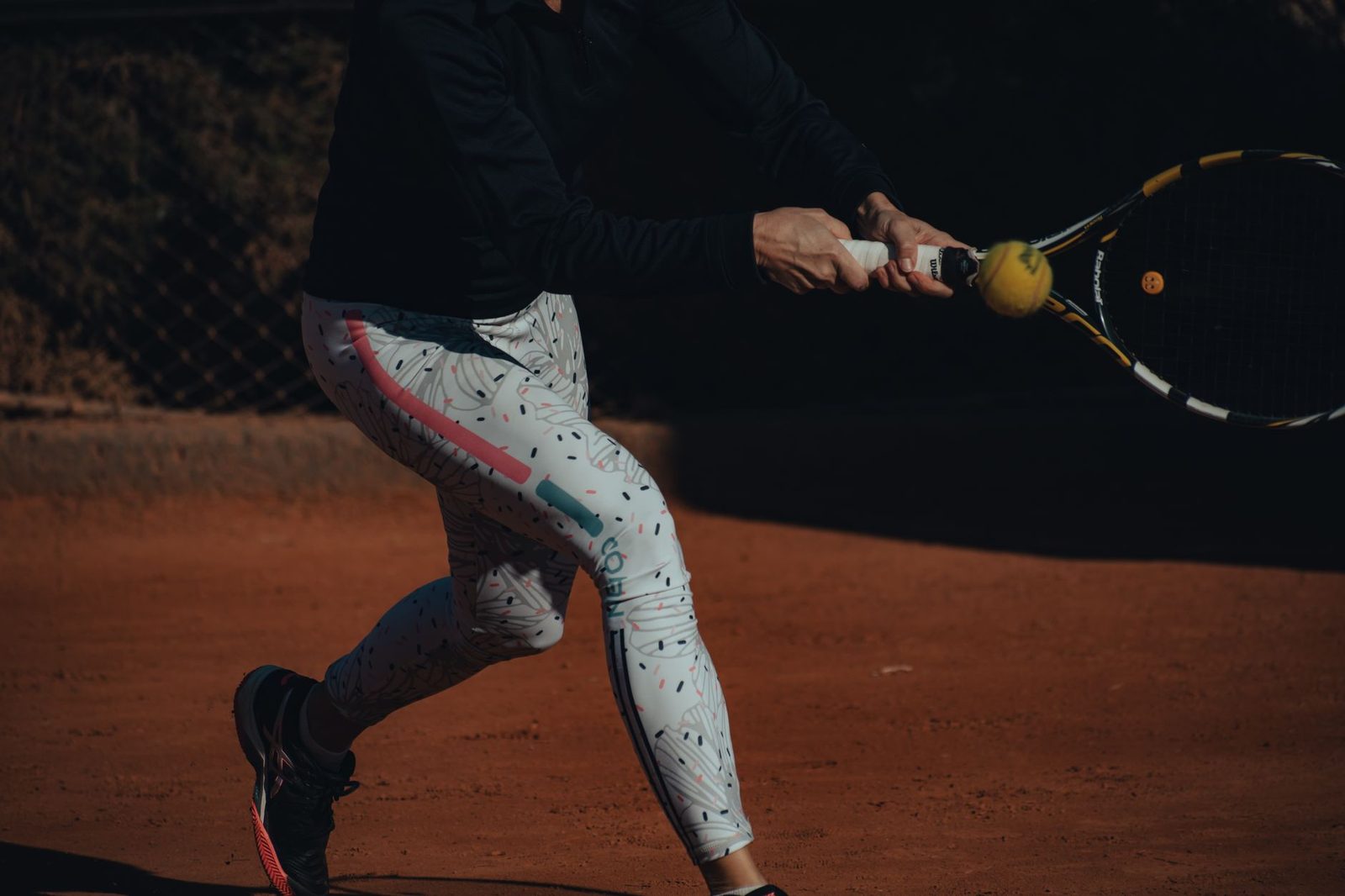
The slice is a tactical shot, not a fallback. These are the situations where it is the best option available rather than the safe one.
| Situation | Why slice works |
|---|---|
| Approaching the net | The low bounce forces your opponent to hit upward |
| Shoulder-height backhand | Far more reliable than driving a high ball |
| Under pressure and stretched | Short motion; you can hit it off balance |
| Against a heavy topspin hitter | Changes rhythm and denies them pace to work with |
| Returning a big serve | Compact swing absorbs pace better than a drive |
| On a very low ball | Physically easier than trying to lift a drive |
The approach shot use is the one worth building deliberately. A low skidding slice down the line, followed by a move to the net, is one of the highest-percentage attacking patterns in club tennis, and it pairs directly with these tennis volley drills for a sharper net game.
04Slice or drive? Choosing between them
Having both shots is only an advantage if you know which to hit. The decision is usually made by the height of the incoming ball and your own balance, not by preference.
| Incoming ball | Better choice | Why |
|---|---|---|
| Waist height, you are balanced | Drive | You can generate pace and topspin safely |
| Above shoulder height | Slice | Driving a high backhand is low percentage |
| Below knee height | Slice | Easier to lift and control than a drive |
| You are stretched or late | Slice | Shorter motion; works off balance |
| Short ball, you are moving in | Slice approach | Low bounce sets up the volley |
| Neutral rally, building a point | Drive | Slice invites your opponent to attack |
The last row is the one worth internalising. Players who slice every backhand hand the initiative over, because a slice sits up unless it is very well struck. Use it as a tactical choice, not as an escape from your drive.
05Three drills
1. Shadow swings with a target
Stand sideways with shoulders turned. Place a cone about two metres in front of your contact point and swing through toward it, keeping the racquet travelling forward rather than down. Ten swings, three sets. This fixes the chopping motion faster than any hit ball.
2. Hand-fed low balls
A partner drops balls at knee height. Slice each one deep down the line, focusing on the extension of the follow-through. Fifteen balls, then switch to crosscourt. Low balls are where slice technique is easiest to feel.
3. Slice-only rally
Rally crosscourt using nothing but slice, both players. Aim for ten in a row. It teaches you how the ball behaves off a slice and how much forward drive it needs to stay deep.

06Making it stay low
The difference between a slice that skids and one that sits up is mostly contact point and direction of force. Contact slightly above the centre of the ball, keep the face only modestly open, and drive forward. Aceify has a good visual breakdown of the swing path if you want to see it demonstrated.
07The defensive slice
There is a version of the slice that exists purely to keep you in the point: stretched wide, off balance, out of position. Here the goal is height and depth rather than penetration, buying the time to recover.
That is a legitimate shot and worth practising separately, because the technique differs. Open the face more, aim higher over the net, and prioritise landing the ball deep over keeping it low.
The recovery afterwards matters as much as the shot, which comes back to these tennis footwork drills. And if you are still building the basics, work through these tennis drills for beginners before adding slice to your game.
08Frequently asked questions
The continental grip, with the base knuckle of the index finger on the second bevel. Many club players slice with an eastern backhand grip, which produces a flat floating ball rather than a penetrating one that stays low.
Usually the racquet face is too open at contact, or the swing is going down rather than down and forward. Aim for around ten to fifteen degrees of face angle and extend the follow-through toward your target rather than cutting underneath the ball.
It can be, but it is not only defensive. A good slice is an approach shot, a way to change rhythm, a low ball that is hard to attack, and the most reliable reply to a shoulder-height backhand. Treating it as purely defensive wastes it.
Learn a two-handed drive first, then add the slice. The slice is easier to hit badly and harder to hit well, and beginners who lean on it too early often stop developing a backhand that can attack.
Contact the ball slightly above its centre with a modestly open face, drive forward through the shot rather than downward, and finish with the racquet extended toward the target. Cutting sharply down under the ball produces backspin without penetration, which is what makes a slice sit up.

Claire Carter
Former WTA Tour Professional & Teaching Pro
Claire Carter is a former WTA Tour professional and a full-time teaching professional at Bay Club Redwood Shores, where she has coached juniors and adults for more than twelve years.
More about ClaireImage credits: Bastian Riccardi (Pexels), Dillon Wanner (Unsplash), Dmytro (Pexels), Gaspar Zaldo (Pexels), John Fornander (Unsplash), LEONARDO QUEIROZ (Pexels), ROMAN ODINTSOV (Pexels). Photographs are illustrative.