
High Performance
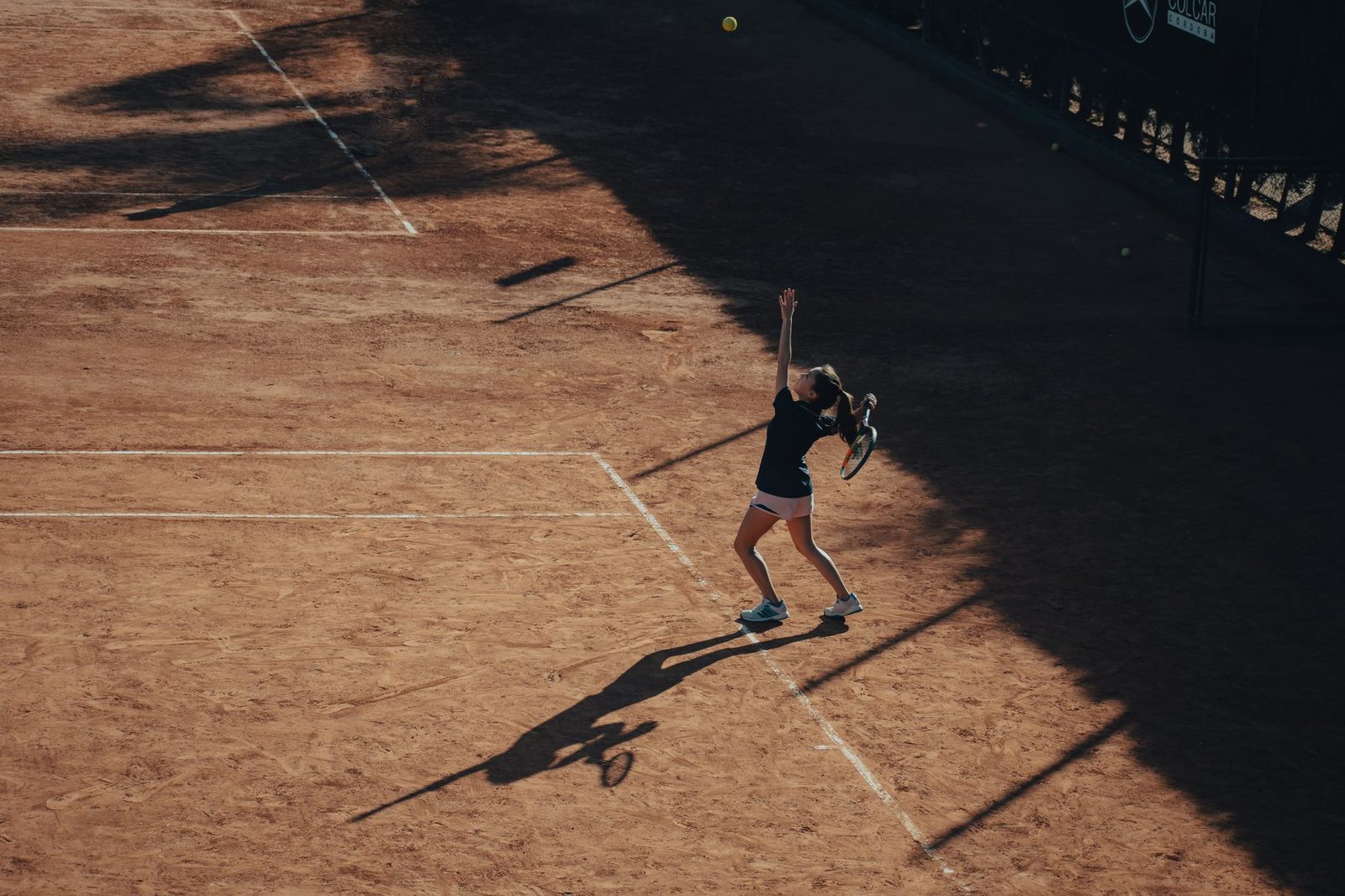
Slice and Kick Serves: How to Add Spin to Your Serve
How to hit a slice serve and a kick serve: toss position, swing path, and how spin gives you a genuine second serve you can trust under pressure.

Jump to a section
Want to improve your game?
Private and group coaching with Claire Carter in Redwood Shores.
Book a lessonMore tennis guides
Technique, gear, fitness and match play, written from the coach’s chair.
Browse all guidesMost club players have one serve hit at two speeds. The first serve is that motion at full pace, the second is the same motion hit softer and hoped over. That is not a second serve; it is a slower first serve, and it is why double faults arrive at exactly the wrong moments.
A real second serve is a different ball, not a gentler one. It uses spin to buy margin. Here is how the two spin serves work, and how to build them.
This assumes you already have the base motion in place. If the grip, toss and trophy position are still unreliable, start with this step-by-step serve technique guide and come back.
01Why spin beats speed on a second serve
A flat serve travels in almost a straight line, which means it must pass very close to the net to land in the box. A spinning serve arcs: it clears the net by a comfortable margin and then drops steeply.
That arc is the entire point. You are buying net clearance and a bigger landing area without giving your opponent an easy ball, because the spin makes the bounce awkward. More margin and more difficulty at the same time is a rare combination in tennis, and it is why every good player has a spin second serve.
02The slice serve
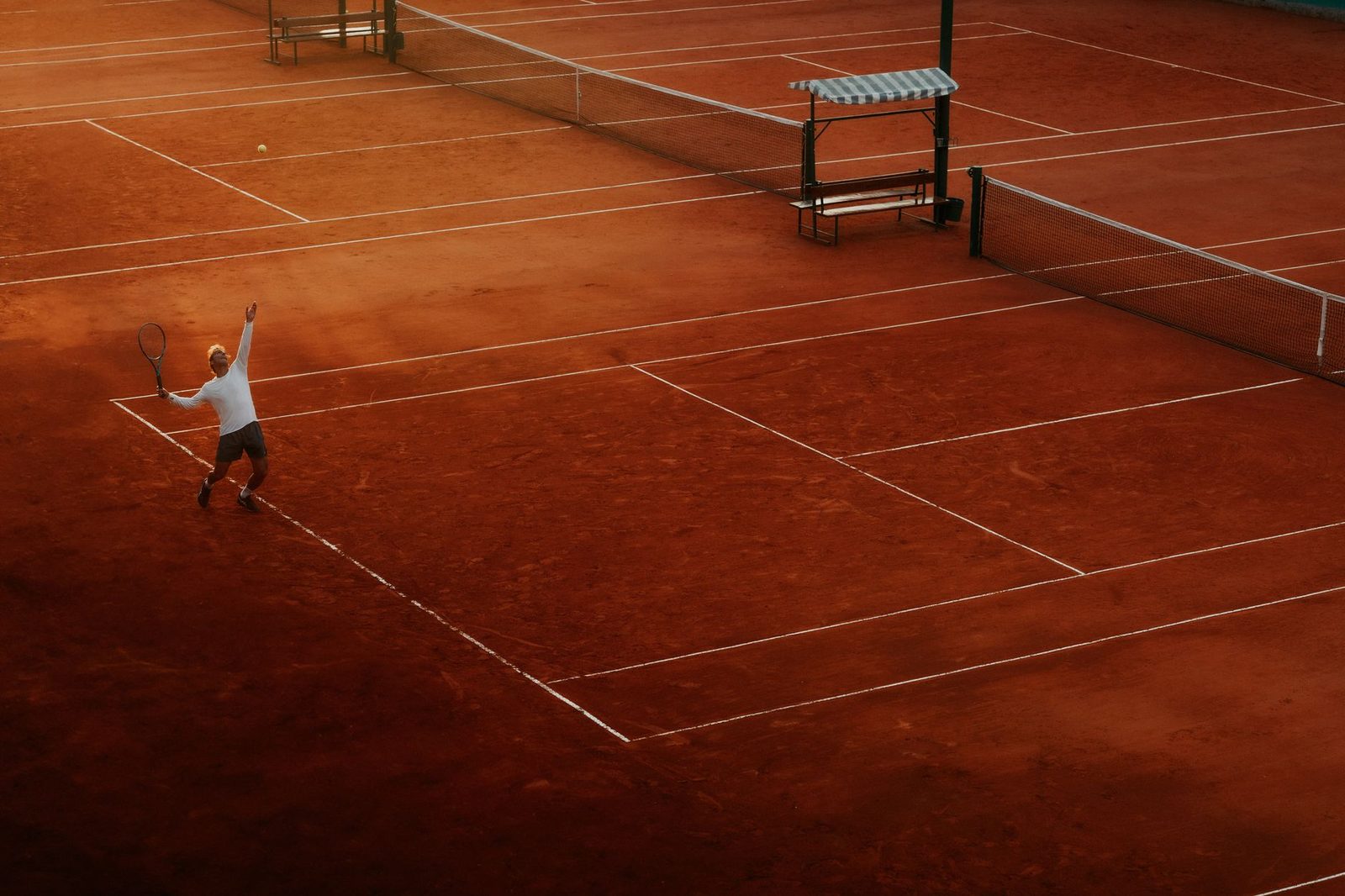
The slice serve carries sidespin. It curves through the air and stays low off the bounce, pulling a right-handed opponent wide on the deuce court and jamming them on the ad court.
- Continental grip, non-negotiable.
- Toss slightly further to your hitting side than for a flat serve, and a touch lower.
- Swing around the outside of the ball, roughly from 3 o’clock toward 9 o’clock.
- Brush across the back of the ball rather than through it.
- Follow through across your body.
Slice is the easier of the two spin serves and the better place to start. It is also underrated as a first serve: a wide slice on the deuce court opens the whole court for the next ball, which is the most reliable serve-plus-one pattern there is.
03The kick serve
The kick serve is harder and more valuable. It combines topspin and sidespin so the ball arcs high over the net, dips into the box, and then bounces up and away toward a right-hander’s backhand.
| Element | What it should be | Common error |
|---|---|---|
| Toss | Over the crown of the head, slightly to the non-dominant side | Too far in front, which flattens the swing |
| Body position | Shoulders tilted back; a controlled back arch | Standing upright, so there is no upward path |
| Swing path | Low to high, brushing roughly 7 o’clock to 1 o’clock | Swinging forward through the ball |
| Leg drive | Push up hard; the serve goes up before it goes out | No leg involvement, so the arm does everything |
A more vertical brush produces heavier topspin and more kick; a more diagonal brush adds a slice component, which produces the wide kicking second serve most players actually use on the deuce court.
04The toss is where kick serves fail
If you take one thing from this article, take this: a kick serve tossed in front of you cannot work. The swing has to travel upward across the ball, and a ball out in front forces the racquet forward instead.
The toss should feel uncomfortably far back the first few times. It is over your head, not ahead of you. Practise twenty tosses catching each one before you hit a single kick serve.
05Choosing which serve, and when
| Situation | Serve | Reason |
|---|---|---|
| First serve, deuce court | Flat down the T or wide slice | Pace or angle; both work |
| First serve, ad court | Slice into the body | Awkward and hard to attack |
| Second serve, any court | Kick | Maximum margin with difficulty retained |
| Break point against you | Kick to the backhand | Reliability over ambition |
| Opponent standing well back | Slice, short and wide | Drags them off the court |
| Windy conditions | Slice; lower toss | Less time in the air, less drift |

06Drills to build spin
- Spin only. Stand at the service line and serve into the opposite box using pure spin, no pace. Twenty serves. You are learning what brushing the ball feels like.
- Over the fence. From the baseline, kick serve deliberately high over the net, aiming to make the ball drop inside the box. Exaggerate the arc.
- Toss and catch. Twenty kick tosses, caught each time, checking the ball lands behind your front foot.
- Target the backhand. Cone in the backhand corner of the service box. Ten kick serves. This is where the shot pays off in matches.
Expect this to feel wrong for a while, and expect double faults while you build it. UTR Sports has a detailed breakdown of kick serve mechanics if you want a second reference.
07What a spin serve does to your opponent
The tactical payoff is bigger than the shot itself. A returner facing a reliable kick second serve cannot step in and attack, because the ball is jumping above their comfortable strike zone. That single fact changes how the whole return game is played against you.
You can see the problem from the receiving side in this guide to returning a big serve: the hardest second serve to attack is a deep kick, and most club players never have to face one.
Building this takes repetition more than talent, and serve practice needs no partner. If the motion itself is the obstacle rather than the spin, that is worth an hour with a coach: a private lesson in Redwood Shores usually resolves it faster than months of solo guessing.
08Frequently asked questions
A slice serve carries sidespin and curves sideways, staying low. A kick serve carries topspin and sidespin, arcs higher over the net, dips into the box and then bounces up and away. Slice pulls your opponent wide; kick pushes them back.
Slightly behind your head and marginally toward your non-dominant side, so for a right-hander that is over the crown of the head or just left of it. Tossing too far in front is the most common reason kick serves fail, because it flattens the swing path.
The high spin rate gives you more net clearance and a steeper drop into the box, so you get a much larger margin for error while keeping the ball difficult to attack. That combination is exactly what a second serve needs.
Yes. A continental grip is what allows the forearm to rotate and the racquet to brush across or up the back of the ball. With a forehand grip you can only push the ball flat, which is why players with that grip have no real second serve.
Expect weeks rather than days, and expect it to feel worse before it feels better. The toss position and back arch both feel unnatural at first. Most players get a usable kick serve within a couple of months of consistent practice.

Claire Carter
Former WTA Tour Professional & Teaching Pro
Claire Carter is a former WTA Tour professional and a full-time teaching professional at Bay Club Redwood Shores, where she has coached juniors and adults for more than twelve years.
More about ClaireImage credits: Ahmed (Pexels), Gaspar Zaldo (Pexels), Gera Cejas (Pexels), Osman Demirkıran (Pexels), Theo (Unsplash), cottonbro studio (Pexels). Photographs are illustrative.