
Coaching
How to Become a Tennis Coach: Certification Explained
How to become a tennis coach in the US: USPTA and PTR certification compared, costs, requirements, Cardio Tennis qualification and what the job is really like.
Jump to a section
Want to improve your game?
Private and group coaching with Claire Carter in Redwood Shores.
Book a lessonMore tennis guides
Technique, gear, fitness and match play, written from the coach’s chair.
Browse all guidesCoaching tennis is one of the few jobs where you can be outdoors, self-employed and genuinely useful to people. It is also less straightforward to enter than it looks, and the money is more variable than most people expect.
This is a practical guide to the certifications, what they cost, what they require, and what the work is actually like once you have them.
01Do you legally need certification?
No. There is no legal requirement to hold a certification to teach tennis in the United States. In practice, though, almost every club, park programme and facility will require one, and liability insurance is usually tied to it.
Treat it as the entry ticket rather than an optional extra. Coaching uncertified limits you to private clients on public courts, which is a difficult way to build a career.
02USPTA and PTR compared
These are the two recognised bodies. The USPTA has been certifying since 1927 and now operates as the Racquet Sports Professionals Association; the PTR certifies coaches across a large international network.
| USPTA / RSPA | PTR | |
|---|---|---|
| Approach | Certifies across all levels, then progress by experience | Certifies for specific age or skill specialisms |
| Typical initial cost | Around $1,295, bundling training and first-year membership | Around $895 for base tennis certification |
| Prerequisite hours | Roughly 1,500 hours of education or a one-year apprenticeship | Lower entry barrier; specialisation added later |
| Minimum age | 18 | 18 |
| Assessment | On-court and written exam, plus youth tennis module | On-court and written |
| Best suited to | Career coaches wanting a broad credential | Coaches specialising in a specific age group or level |
Either is respected. The practical question is which route matches the work you actually want: broad club coaching, or a specialism such as junior development or adult beginners. The PTR site sets out its pathway and current fees.
03The Cardio Tennis point people get wrong
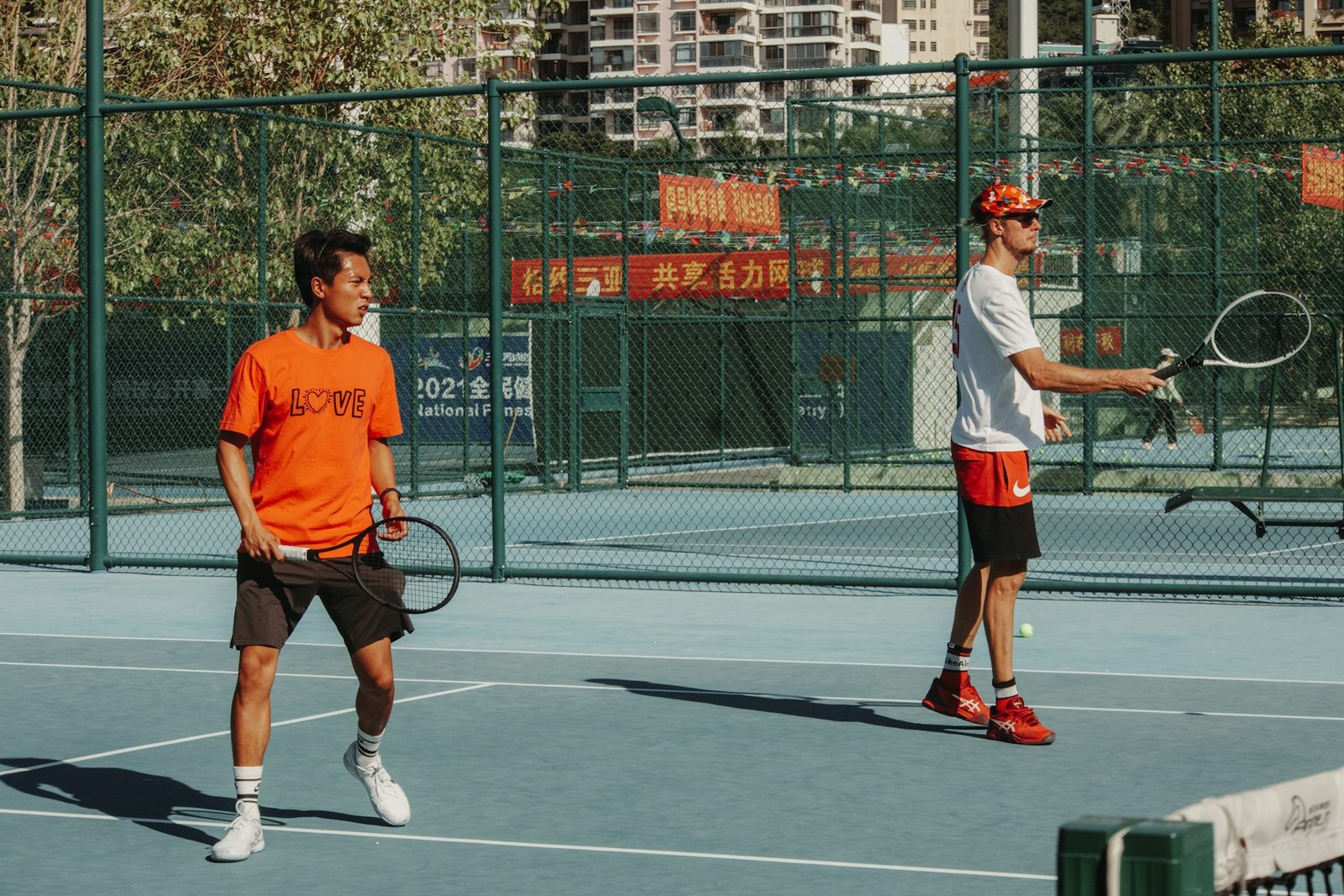
Searches for “cardio tennis certification” are common, and the premise is slightly off. There is no Cardio Tennis certification and there never has been. You complete the training course and become qualified, receiving a licence as a Cardio Tennis professional.
Course registration typically starts around $150, with a TRX-based version and a combined option costing more. Completion also carries continuing education credit with both USPTA and PTR, which is a useful side benefit. The official Cardio Tennis FAQ confirms the distinction and lists current course fees.
04What the certification process involves
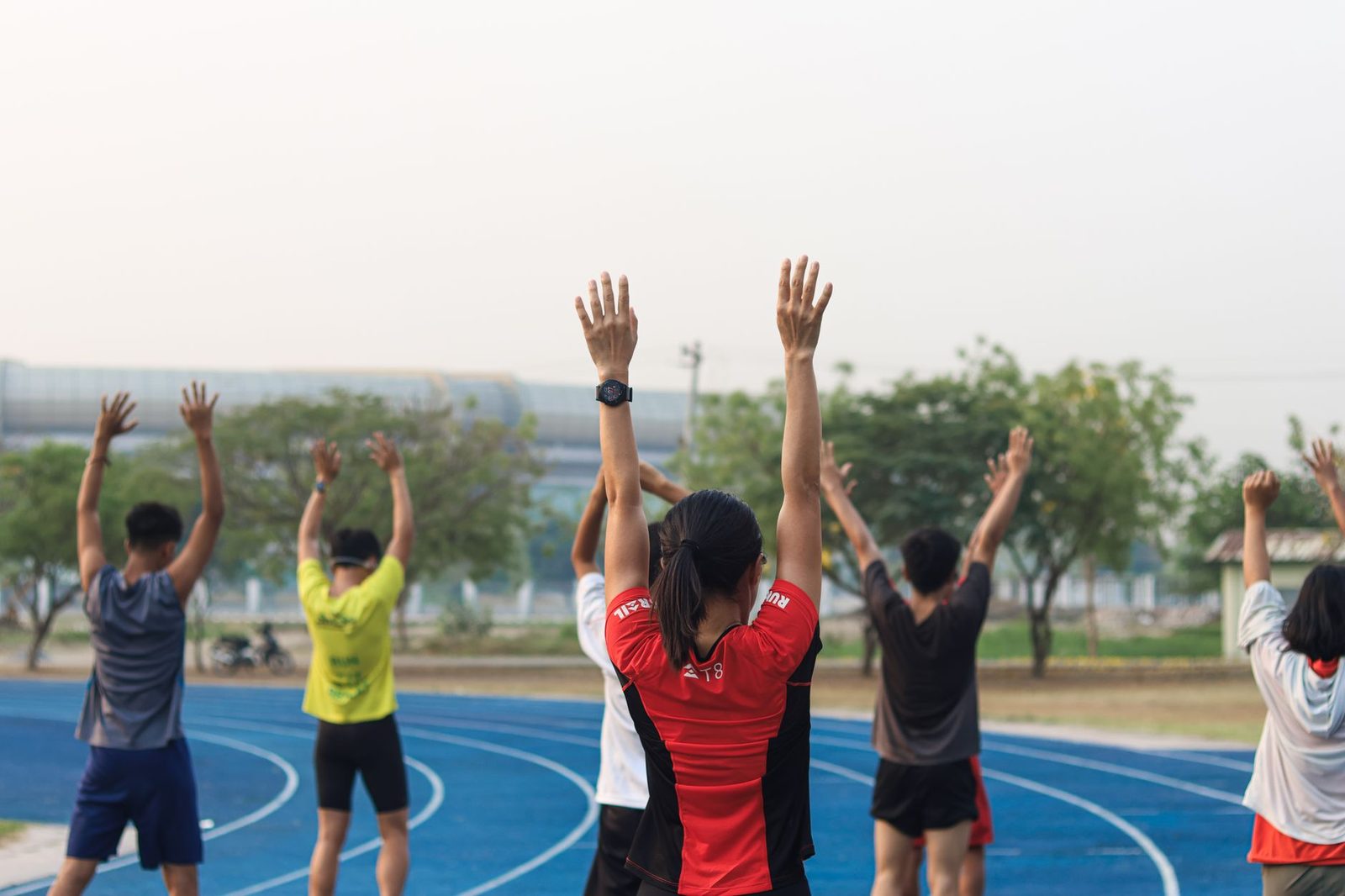
- Accumulate hours. Assist an established coach, run park sessions, help with junior squads. This is the slow part and there is no way around it.
- Complete the required modules. Youth tennis and safeguarding modules are standard.
- Pass the on-court exam. You will be assessed on feeding, demonstration, error detection and lesson structure.
- Pass the written exam. Rules, technique, teaching methodology.
- Maintain it. Continuing education credits are required to stay current.
The on-court exam catches people out. Feeding accurately for an hour while watching a player and diagnosing a fault is a genuine physical and cognitive skill, and it takes practice long before the exam.
05What the job is actually like
| Reality | What it means |
|---|---|
| Unsociable hours | The demand is after school, evenings and weekends |
| Weather dependent | Outdoor coaching income varies by season and climate |
| Physically demanding | Hours on your feet; shoulder and back care matters |
| Income is variable | Often self-employed; client base takes years to build |
| Emotionally rewarding | You watch people improve at something they care about |
| Continuous learning | Methods change; the good coaches keep studying |
The variability is the part to plan for. Most coaches build income from a mix: private lessons, group clinics, junior squads and sometimes stringing or programme management. Relying on private lessons alone is precarious.
06What you can expect to earn
Coaching income is built from a rate and a utilisation figure, and people consistently overestimate the second one. A coach charging a good hourly rate who only fills fifteen teaching hours a week earns considerably less than the rate suggests.
- Private lesson rates vary widely by market; the Bay Area sits at the higher end, as set out in this guide to what tennis lessons cost in the Bay Area.
- Group clinics pay less per person but far more per hour of your time.
- Club-employed positions trade a lower rate for guaranteed hours and facilities.
- Peak demand is evenings, weekends and school holidays, which shapes your life more than the money does.
The realistic picture for a new coach is a slow first two years building a client base, supplemented by group work and assisting. Coaches who last tend to be the ones who treated it as a business from the start rather than assuming lessons would simply arrive.
07Specialisms worth developing
- Junior development. The most reliable long-term client base, and where the pathway matters, as set out in this junior tennis pathway in Northern California.
- High performance. Fewer clients, higher rates, requires a genuine competitive track record.
- Adult beginners. Underrated and consistently in demand.
- Cardio Tennis and fitness. Group formats scale better than one-to-one, and pair well with off-court fitness training for tennis.
08Getting started this year
- Contact local clubs and ask to assist. Unpaid hours early are normal and genuinely useful.
- Choose a body, USPTA/RSPA or PTR, and read their current requirements.
- Complete safeguarding and first aid before anything else if you intend to coach juniors.
- Book the certification once you have real on-court hours, not before.
- Shadow a coach you respect and pay attention to how they manage people, not only how they teach strokes.
One last thing worth saying: the best coaches are usually the ones who never stop being students of the game. If you are considering this as a career, spend as much time watching good coaching as you do practising your own.
If you are on the other side of this question and looking for a coach rather than becoming one, this guide to how to choose a tennis coach covers what to look for. Details of my own coaching are on the Bay Club Redwood Shores locations page.
09Frequently asked questions
In the United States the two main bodies are the USPTA, now operating as the Racquet Sports Professionals Association, and the PTR. Neither is legally required to teach, but most clubs and facilities expect one, and insurance is usually tied to it.
Expect roughly $900 to $1,300 for initial certification depending on the body and level, with PTR generally the lower entry point and USPTA/RSPA higher because it bundles broader training. Verify current pricing directly, as fees change.
Not exactly. There is no Cardio Tennis certification as such; you complete the training course and become qualified, receiving a licence as a Cardio Tennis professional. Course fees start around $150, with combined options costing more.
No. A strong playing background helps you demonstrate and understand the game at speed, but coaching is a separate skill. Many excellent coaches were solid club players, and plenty of former tour players struggle to teach beginners.
USPTA now expects around 1,500 hours of education or a year-long apprenticeship before certification, so realistically a year of accumulating on-court hours. PTR certification can be completed faster, but building a client base takes considerably longer.
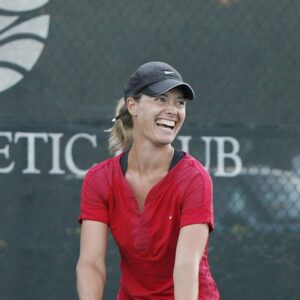
Claire Carter
Former WTA Tour Professional & Teaching Pro
Claire Carter is a former WTA Tour professional and a full-time teaching professional at Bay Club Redwood Shores, where she has coached juniors and adults for more than twelve years.
More about ClaireImage credits: Fei Chao (Unsplash), HONG SON (Pexels), Nay Nyo (Pexels), QingYu (Unsplash), Rezli (Unsplash), Rhamely (Unsplash). Photographs are illustrative.