
Coaching
How Much Do Tennis Lessons Cost in the Bay Area?
What tennis lessons cost in the Bay Area in 2026: private, semi-private and group rates, what drives the price, and how to get value from every hour.
Jump to a section
Want to improve your game?
Private and group coaching with Claire Carter in Redwood Shores.
Book a lessonMore tennis guides
Technique, gear, fitness and match play, written from the coach’s chair.
Browse all guidesTennis lessons in the Bay Area generally run about $90 to $160 an hour for private coaching, roughly $35 to $90 per person for semi-private, and about $15 to $45 per person for a group clinic.
Those ranges hide a lot, though. What actually determines the number, and how to get value from it, is worth more of your attention than the headline rate.
01What lessons cost in 2026
Nationally, private lessons run around $65 to $160 an hour, with beginner sessions starting near the bottom of that band and highly credentialed coaching exceeding the top of it. Major metros sit at the upper end, and the Peninsula behaves like a major metro.
| Format | Typical cost | Players | Best for |
|---|---|---|---|
| Private lesson | $90 to $160 / hour | 1 | Technical change, fastest progress |
| Semi-private | $35 to $90 / person | 2 | Partners or siblings at a similar level |
| Small group clinic | $25 to $55 / person | 3 to 4 | Drilling with some individual feedback |
| Large group clinic | $15 to $45 / person | 5 to 8 | Volume, fitness and social play |
| Junior development squad | Termly or monthly fee | Varies | Long-term progression |
For current national benchmarks, TeachMe.To publishes an updated 2026 pricing guide that tracks closely with what Peninsula clubs charge.
02What actually drives the price
- Coaching and playing background. Tour experience and a track record developing juniors command more.
- Certification. USPTA or PTR credentials, and safeguarding qualifications for junior work.
- Court costs. Whether court time is included, and whether the venue is public or a private club.
- Time of day. After-work and weekend slots are the most contested and priced accordingly.
- Travel. Coaches who come to your court usually build that in.
Before comparing rates at all, it is worth knowing what separates a good coach from an expensive one: how to choose a tennis coach covers the credentials and red flags. Ask explicitly whether the quoted rate includes court fees. It is the single most common source of surprise on a first invoice.
03Private, semi-private or group?
| Private | Semi-private | Group | |
|---|---|---|---|
| Cost per hour | Highest | Moderate | Lowest |
| Individual feedback | Constant | Frequent | Occasional |
| Ball-striking volume | High | High | Moderate |
| Match-like pressure | Low unless designed in | Moderate | High |
| Pace of technical change | Fastest | Good | Slow |
| Social element | None | Some | Strong |
Level-matched league tennis is another route worth knowing about, and how the rating system behind it works is explained in this guide to USTA leagues and NTRP ratings. The most cost-effective pattern for most improving adults is not all-private or all-group. It is one private lesson a fortnight to fix technique, plus a weekly group clinic for volume and pressure.
04Getting value from every hour
- Arrive warm. Ten minutes of jogging and rallying beforehand buys you ten minutes of actual coaching.
- Bring one goal, not five. “My backhand floats” is workable; “make me better” is not.
- Practise between lessons. This is the biggest single multiplier and it is free.
- Record a short video occasionally. Progress is easier to see than to feel.
- Book a block rather than ad hoc sessions, so the coach can plan a progression.
Solo practice between lessons costs nothing and roughly doubles what you get from paid hours. A wall session works well for this: these tennis backboard drills for solo practice give you a structure to follow, and these tennis footwork drills need no court at all.
05How many lessons will you actually need?
This is the question behind the question, and the honest answer is that it depends on what you are changing. Small adjustments settle quickly. Rebuilding a stroke you have grooved over twenty years takes longer, because the old pattern has to be displaced rather than corrected.
| Goal | Typical lessons | Notes |
|---|---|---|
| Learn the basics from scratch | 8 to 12 | Then group play to consolidate |
| Fix one specific fault | 3 to 6 | Faster if you practise between sessions |
| Rebuild an ingrained stroke | 10 to 15 | The old pattern resurfaces under pressure |
| Add a new shot such as a slice or kick serve | 4 to 8 | Needs regular reinforcement |
| Tactical and match play work | Ongoing | Best delivered alongside competition |
Budget for a block rather than an open-ended commitment. Six lessons with a clear goal, then an honest review of whether it worked, is a better use of money than a standing weekly slot nobody ever evaluates.
06Junior programmes and what they cost
If you are weighing up joining somewhere rather than paying per lesson, this guide to choosing a tennis club covers what to look for. Junior coaching is usually priced as a term or squad fee rather than per hour, which works out considerably cheaper per session. A typical development pathway combines a weekly squad with occasional private lessons to work on a specific technical issue.
Before committing to a competitive squad, it is worth understanding where it leads. The junior tennis pathway in Northern California sets out how the levels, ratings and tournaments actually fit together in Northern California.
07Questions to ask before you book
- Does the rate include court fees, or are they billed separately?
- What is your cancellation policy, and how much notice do you need?
- Do you offer a discounted block of lessons paid up front?
- What is your experience with players at my level and age?
- What will you expect me to do between sessions?
- How will we know whether the lessons are working?
That last question is the one most people forget to ask, and it is the most revealing. A coach who can describe what progress will look like in six weeks has thought about your development. A coach who cannot is selling court time rather than coaching, and you will struggle to judge whether the money was well spent.
08Lessons on the Peninsula
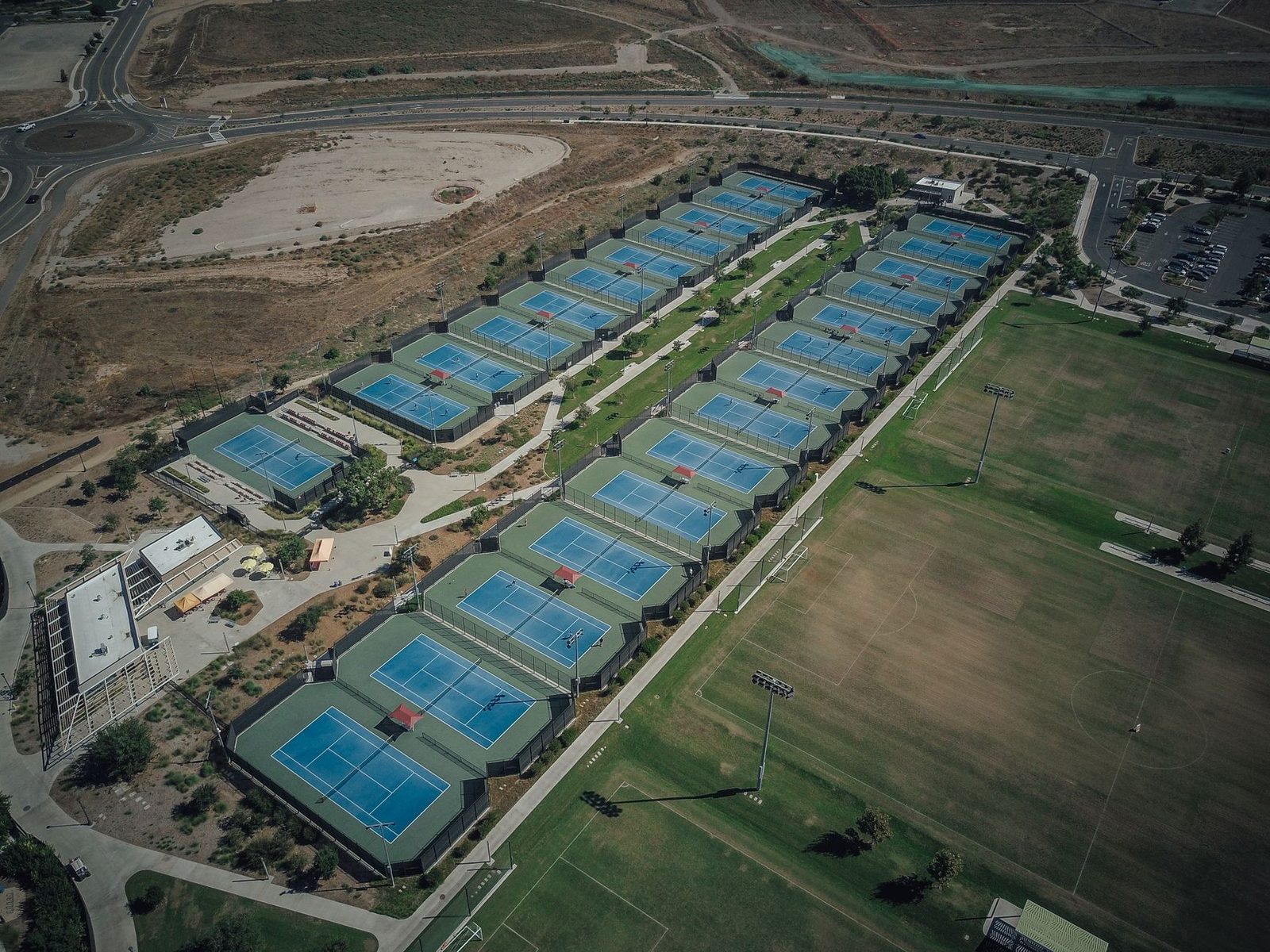
I coach at Bay Club Redwood Shores, serving Redwood City, San Mateo, Belmont, Foster City and San Carlos. Programmes cover junior development, high performance and tennis-specific fitness, and lessons are booked through TopCourt.
For current rates and availability, a private lesson in Redwood Shores is the quickest route, and you can find court and facility details on the Bay Club Redwood Shores locations page. You can also get a sense of the coaching approach for free through the free tennis instructional videos before booking anything.
09Frequently asked questions
Expect roughly $90 to $160 an hour for a private lesson with an experienced coach. National averages sit around $65 to $160, and the Bay Area sits at the upper end because of demand and facility costs, similar to other major metros.
Considerably. Group clinics typically run about $15 to $45 per person per session, and semi-private lessons for two run roughly $35 to $90 each. The trade-off is less individual attention and a pace set by the group.
Most players see clear change within six to eight lessons, provided they practise between them. One lesson a week with two short practice sessions beats three lessons a week with no practice in between.
Playing and coaching background, certification, results with comparable players, facility fees and whether court time is included. A tour-level playing background and a long junior development record command higher rates.
Often, yes. A coach who fixes the fault in three lessons at a higher rate costs less in total than one who does not identify it in ten. Judge by outcome per dollar, not per hour.
Claire Carter
Former WTA Tour Professional & Teaching Pro
Claire Carter is a former WTA Tour professional and a full-time teaching professional at Bay Club Redwood Shores, where she has coached juniors and adults for more than twelve years.
More about ClaireImage credits: Anna Shvets (Pexels), César O’neill (Pexels), Jeffery Erhunse (Unsplash), Kelly Sikkema (Unsplash), Kindel Media (Pexels), khezez | خزاز (Pexels). Photographs are illustrative.