
Serve
Serve and Volley: When It Still Works
Serve and volley has faded on tour but remains highly effective at club level. How to do it: the first two steps, the split step, and the first volley.

Jump to a section
Want to improve your game?
Private and group coaching with Claire Carter in Redwood Shores.
Book a lessonMore tennis guides
Technique, gear, fitness and match play, written from the coach’s chair.
Browse all guidesServe and volley has a reputation as a period piece, something from wooden racquets and fast grass. On the professional tour that is broadly fair: slower surfaces and better returns have squeezed it out.
At club level the opposite is true. Most players almost never practise passing shots, are uncomfortable hitting on the run, and panic slightly when someone comes in. Serve and volley remains one of the most effective and least used tactics in recreational tennis.
01Why it works below professional level
- Passing shots are among the least practised shots in club tennis.
- Time pressure produces errors, and most points end in errors anyway.
- It shortens points, which conserves energy across a long match.
- It disrupts a baseline player’s rhythm, which is often their whole game.
- Even used occasionally, it forces your opponent to think about it every point.
That last point is the underrated one. You do not need to serve and volley every time. You need your opponent to be unsure whether you will.
02The serve comes first
A serve-and-volley point is won or lost before you reach the net. A weak serve gives the returner time to set up and pass you, and no amount of good volleying rescues that.
| Serve | Effect | Best used |
|---|---|---|
| Wide slice | Drags the returner off court; buys travel time | Deuce court; the classic choice |
| Flat down the T | Return comes back through the middle | When you want a predictable reply |
| Body serve | Jams the returner; produces floats | Underrated; very effective |
| Kick | High bounce, slower; more time for you | Second serve, occasionally |
| Slow second serve | Gives them everything they want | Avoid unless surprising them |
The wide slice is the classic for a reason: it moves the returner sideways and the extra distance the ball travels is time you spend moving forward. If you do not have a reliable slice serve, this guide to slice and kick serves covers it.

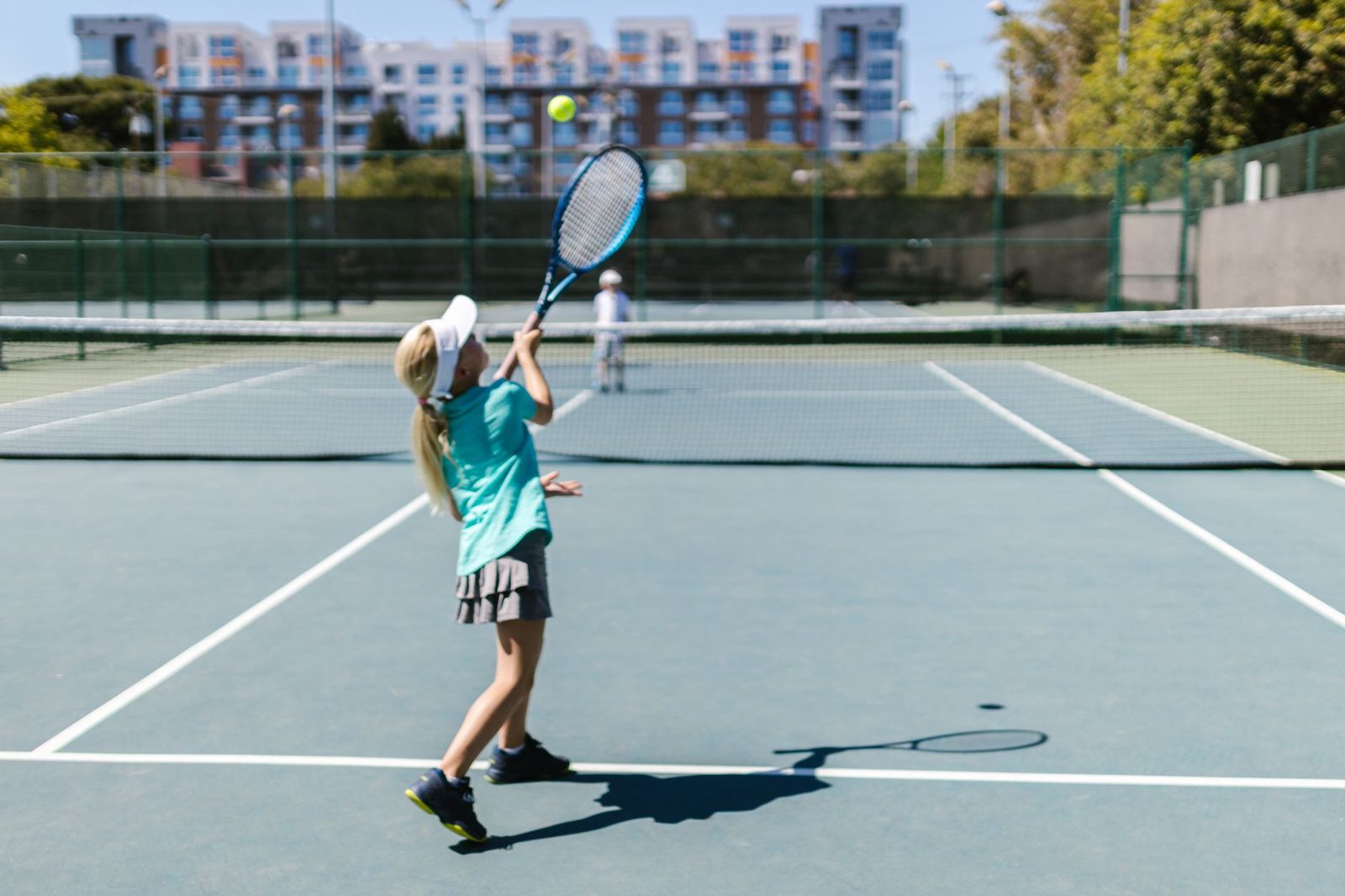
03The first two steps
Your momentum from the serve should already be carrying you forward. Land inside the baseline on your front foot, then take two or three quick steps toward the net.
The mistake almost everyone makes is trying to get all the way to the net. You cannot, and attempting it means you are still sprinting when the return is struck. Two or three steps puts you around the service line, which is where you should expect to play your first volley from.
04The split step decides everything
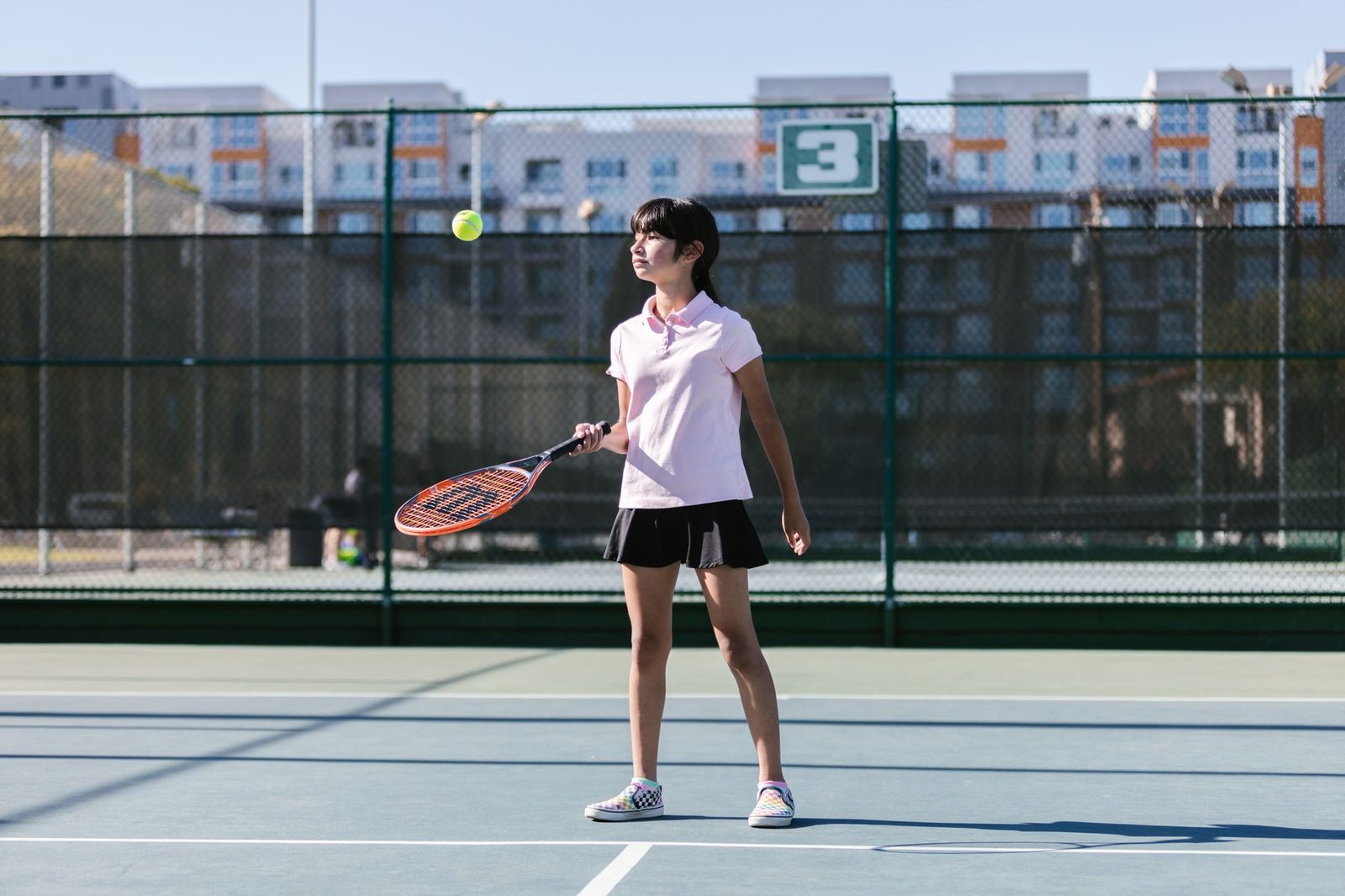
This is the whole technique in one movement. As your opponent begins their forward swing, you split step, wherever you happen to be.
Not when you reach a particular spot. Not after a set number of steps. When they swing. If you are still moving forward at the moment of their contact, you cannot change direction, and a return to either side goes past you untouched.
It feels wrong to stop when you are trying to get forward. Do it anyway. A balanced player at the service line beats an unbalanced one closer in, consistently. The same timing runs through these tennis footwork drills.
05The first volley is a setup, not a finish
From around the service line you will usually be taking the ball below net height, which means you cannot hit down on it. Trying to end the point from there is how good approaches get wasted.
| The return you get | First volley | Then |
|---|---|---|
| Low at your feet | Deep down the middle, lifted | Close in behind it |
| Floating and high | Angle it short, or punch into space | Close and finish |
| Hard and wide | Block deep, back where it came from | Recover toward the middle |
| Lob | Retreat and smash if you can | Otherwise let it bounce and reset |
| Right at you | Punch it deep to the open side | Close |
Two volleys to win a point is normal. Players who insist on the first one being a winner make far more errors than those who accept a second. The technique itself is in these tennis volley drills and the low ball case in this guide to the half volley and swinging volley.
06In doubles it is close to standard
Everything above applies more strongly in doubles, where your partner already occupies the net and the court is wider but the passing lanes are narrower.
- Serving and coming in makes your team two-up, the most offensive formation.
- The return must be low to stop you, which raises the returner’s error rate.
- Your partner covers the middle while you come through it.
- Against a team that lobs well, come in more cautiously and hold a step back.
The positional logic behind two-up tennis is set out in this guide to doubles court positioning.
07When not to do it
Serve and volley is a tactic, not an identity. There are situations where coming in is simply handing over the point, and recognising them is as valuable as the technique.
- Against a genuinely good returner who takes the ball early.
- On a slow, high-bouncing surface where the return has time to dip at your feet.
- Into a strong headwind, which holds your serve up and speeds their pass.
- When your first serve percentage has collapsed; a slow second serve plus coming in is the worst combination available.
- Against a player who lobs well, unless you have a reliable overhead.
The surface point matters more than most club players realise. Serve and volley is far more effective on a fast hard court than on clay, and the differences are set out in this guide to tennis court surfaces.
08Building it into your game
- Shadow it. Serve, take two steps, split step. Ten repetitions, no return. Build the rhythm before adding a ball.
- Serve plus one volley. Partner returns gently; you play only the first volley, then stop. Twenty points.
- Points, coming in every time. Play a set where you must serve and volley on every first serve. You will lose some. You will also learn quickly which serves make it work.
- Mix it in. Once it holds up, use it on maybe one point in four, unpredictably.
Do not expect it to work immediately. The first few sessions feel chaotic, because you are adding movement to a shot you normally hit standing still. Essential Tennis has a good breakdown of the split step timing, which is the part worth getting right first.

09Frequently asked questions
On the professional tour it has largely faded, because slower surfaces and modern returns make it harder. At club level it remains one of the most effective tactics available, because most club players are far less comfortable hitting passing shots than they believe.
Usually two or three before the split step, which puts you around the service line. Trying to reach the net before your opponent strikes the return is the classic mistake; you will still be running when the ball is hit.
Wherever you are when your opponent begins their forward swing. That is the rule, not a spot on the court. Being balanced at the service line beats being unbalanced two steps further in, every time.
A slice serve, usually. It curves the returner off the court and buys you an extra moment because the ball travels further. A flat serve down the T also works when you want the return coming back through the middle.
Occasionally, as a surprise. Doing it every time on a slower second serve gives the returner time to pass you. Once or twice a set is often enough to make them think about it on every point.

Claire Carter
Former WTA Tour Professional & Teaching Pro
Claire Carter is a former WTA Tour professional and a full-time teaching professional at Bay Club Redwood Shores, where she has coached juniors and adults for more than twelve years.
More about ClaireImage credits: Gaspar Zaldo (Pexels), RDNE Stock project (Pexels), Sebastian Angarita (Pexels), Zakhar Vozhdaienko (Pexels), cottonbro studio (Pexels). Photographs are illustrative.